دليل السفر الفاخر إلى هوي آن: متى تذهب وماذا تجرّب


Wanwisa Puengsawang
الرئيسة التنفيذية لشركة Pai Dai DMC
ثلاثة قرارات تحدد شكل الإقامة الفاخرة في هوي آن (Hoi An) ضمن مسار في وسط فيتنام: القاعدة، وعدد الليالي، والموسم. فالقاعدة إما الشاطئ وإما البلدة القديمة، أو الاثنان بالتتابع. وتحتاج هوي آن إلى ليلتين على الأقل، والأفضل ثلاث، وإلى أربع إن قُسّمت الإقامة بين البلدة القديمة والشاطئ. والموسم أهمّ من القرارين الآخرين: فالنافذة الجافة تمتد من فبراير إلى أغسطس تقريباً، وأشهر الفيضانات، من سبتمبر إلى نوفمبر تقريباً، تحتاج إلى خطة مختلفة.
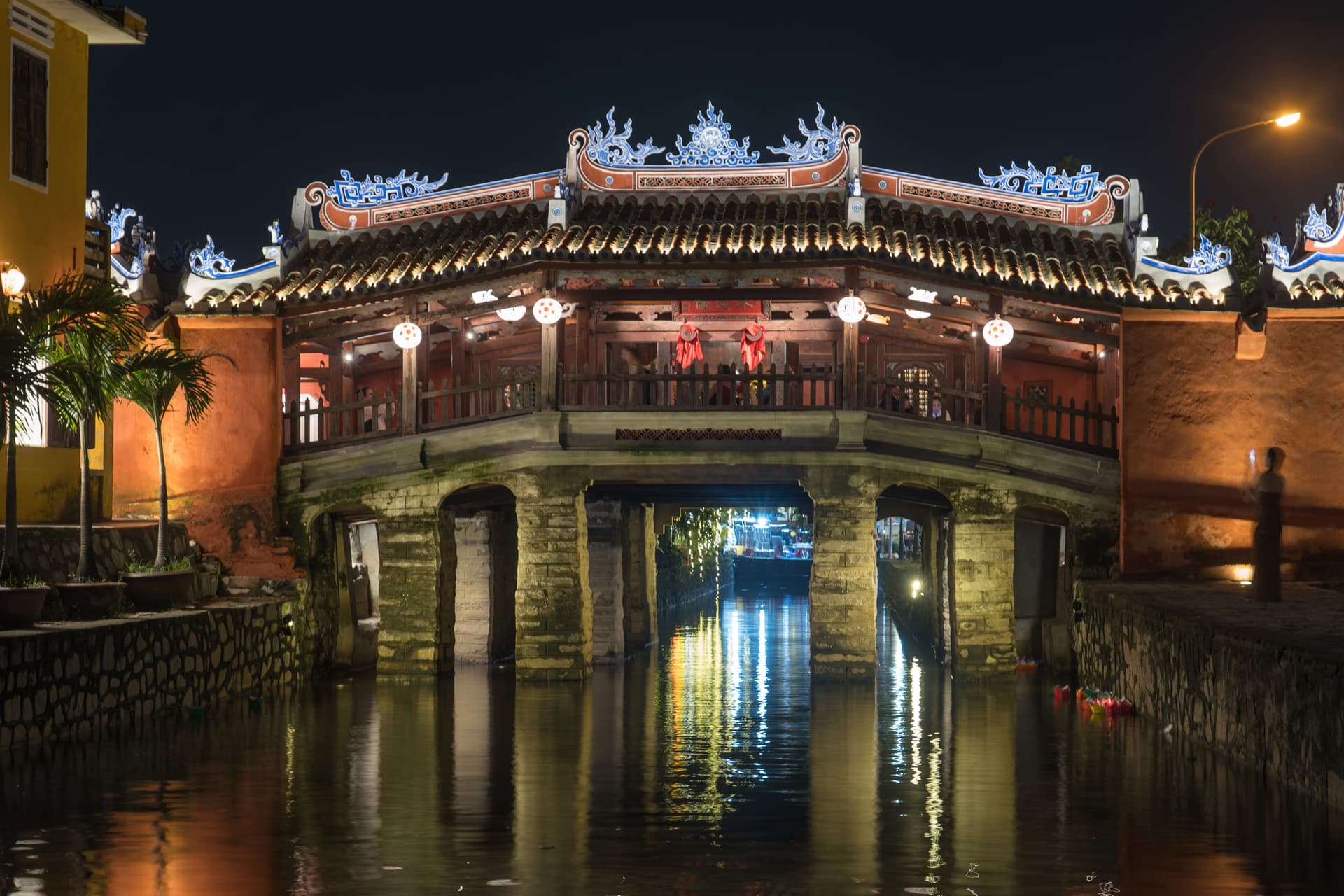
وفي هوي آن يتباطأ إيقاع الرحلة أخيراً: بلدة قديمة تُغلق أمام حركة المرور بعد الظهر وفي المساء، وبيوت تجار صفراء تتوهّج تحت فوانيس الحرير بعد الغروب، ونهر يمرّ في وسطها، وعلى مسافة قصيرة شواطئ مفتوحة وحدائق أعشاب، وفي الداخل تقوم أبراج الآجر في حرم مي سون (My Son) التشامي القديم. ولتفاصيل الزيارة الأولى، من تذكرة التراث وطريقة الوصول والأساسيات العملية، انظر دليل وجهة هوي آن.
هل تخطّط لرحلة خاصة حول هوي آن؟ اطّلع على رحلاتنا الفاخرة المصمّمة خصيصاً عبر تايلاند وفيتنام.
ليس لهوي آن مطار خاص بها، فالبوابة مطار دا نانغ الدولي (DAD)، على مسافة قيادة ساحلية قصيرة شمال البلدة، ما يجعل هوي آن سهلة الإدراج في مسار فيتنامي أطول إلى جانب هانوي والساحل الأوسط. ومنذ دمج الوحدات الإدارية عام 2025 صارت هوي آن جزءاً من مدينة دا نانغ، فقد تقرأ «مدينة دا نانغ» في عناوين بعض الفنادق والمورّدين في هوي آن.
لماذا تناسب هوي آن المسافر الباحث عن الفخامة
معظم فيتنام تطلب من المسافر أن يبقى متحركاً، أما هوي آن فتطلب منه أن يبقى ساكناً، وتلك فخامتها. البلدة القديمة صغيرة بما يكفي للسير على الأقدام، وهادئة بما يكفي للتجوال بعد حلول الظلام، وفاتنة للعدسة دون ترتيب مسبق. وللأزواج، وقاصدي شهر العسل، والعائلات التي تريد مرحلة أرقّ، وكل من يجد هانوي أو مدينة هو تشي منه صاخبة أكثر من اللازم، هذا هو المكان الذي تتنفّس فيه الرحلة الصعداء.
وثراء هوي آن في تنوّع كبير تجمعه مساحة صغيرة. فمن قاعدة واحدة تصل إلى تراث اليونسكو والخياطة على المقاس في البلدة القديمة، والرمل المفتوح وهواء البحر على الشاطئ، وحقول الأرز وحدائق أعشاب ترا كوي (Tra Que) على مسافة قصيرة. ويقع مجمّع معابد مي سون، الذي يزيد عمره على ألف عام، على بعد نحو ساعة بالسيارة في الداخل. ولأن معظم ذلك قريب، يستطيع البرنامج الخاص أن يغطي الكثير: صباح عند الأطلال، وعصر عند المسبح، ومساء على النهر، ويمكن أن تجتمع الثلاثة في يوم واحد إذا حُسب فيه الطريق إلى مي سون.
أين تقيم: منتجع الشاطئ أم بوتيك البلدة القديمة
القرار الأول هو القاعدة، وفي هوي آن يتلخّص في مفترق واضح: الشاطئ أو البلدة القديمة، ولكل منهما طابع مختلف في الإقامة.
على امتداد الساحل شرق البلدة، من آن بانغ (An Bang) شمالاً نحو ها مي (Ha My) ودا نانغ، يكون الخيار المنتجع. أما شاطئ كوا داي (Cua Dai) فقد تآكل، وآن بانغ ألطف منه بكثير. هنا تقع الفنادق الشاطئية الأكبر، بمسابحها وحدائقها ومنتجعاتها الصحية والبحر على خطوات من الغرفة، وتناسب قاصدي شهر العسل والعائلات الذين يريدون صباحات طويلة بلا برنامج، مع البلدة القديمة نزهةً مسائية لا تجربةً على عتبة الباب. ويعطي Four Seasons Resort The Nam Hai، على شاطئ ها مي على مسافة قصيرة شمالاً باتجاه دا نانغ، فكرة عن هذا المستوى، ونذكره لتحديد الفئة لا للإيحاء بعنوان واحد. ومن أمثلة القاعدة الشاطئية برنامج شهر عسل فاخر في فيتنام، وهو برنامج لشخصين يقضيان خمس ليالٍ منه في منتجع يقع مباشرة على شاطئ آن بانغ.
داخل البلدة القديمة المضاءة بالفوانيس أو على أطرافها، يكون الخيار فندق البوتيك. فالفنادق الأصغر ذات الطابع التراثي تضع الضيف على مسافة سير من الخياطين وبيوت التجار وضفة النهر، فتكون أجمل ساعات البلدة، بعد انحسار حشود النهار وقبل العشاء، على بعد خطوات من الفندق. ويمثّل Anantara Hoi An، على نهر ثو بون (Thu Bon) بجوار البلدة القديمة، هذا النمط جيداً. ولمن يريد الهدوء نفسه مع مساحة أكبر، يقع La Siesta Hoi An على مسافة قصيرة من البلدة، وتخدمه حافلة مكوكية إليها. والمسافرون الذين جاؤوا من أجل الفوانيس والخياطة، ويريدون أن تكون البلدة هي التجربة لا رحلة نهارية، يرتاحون هنا أكثر مما لو أقاموا على الرمل.
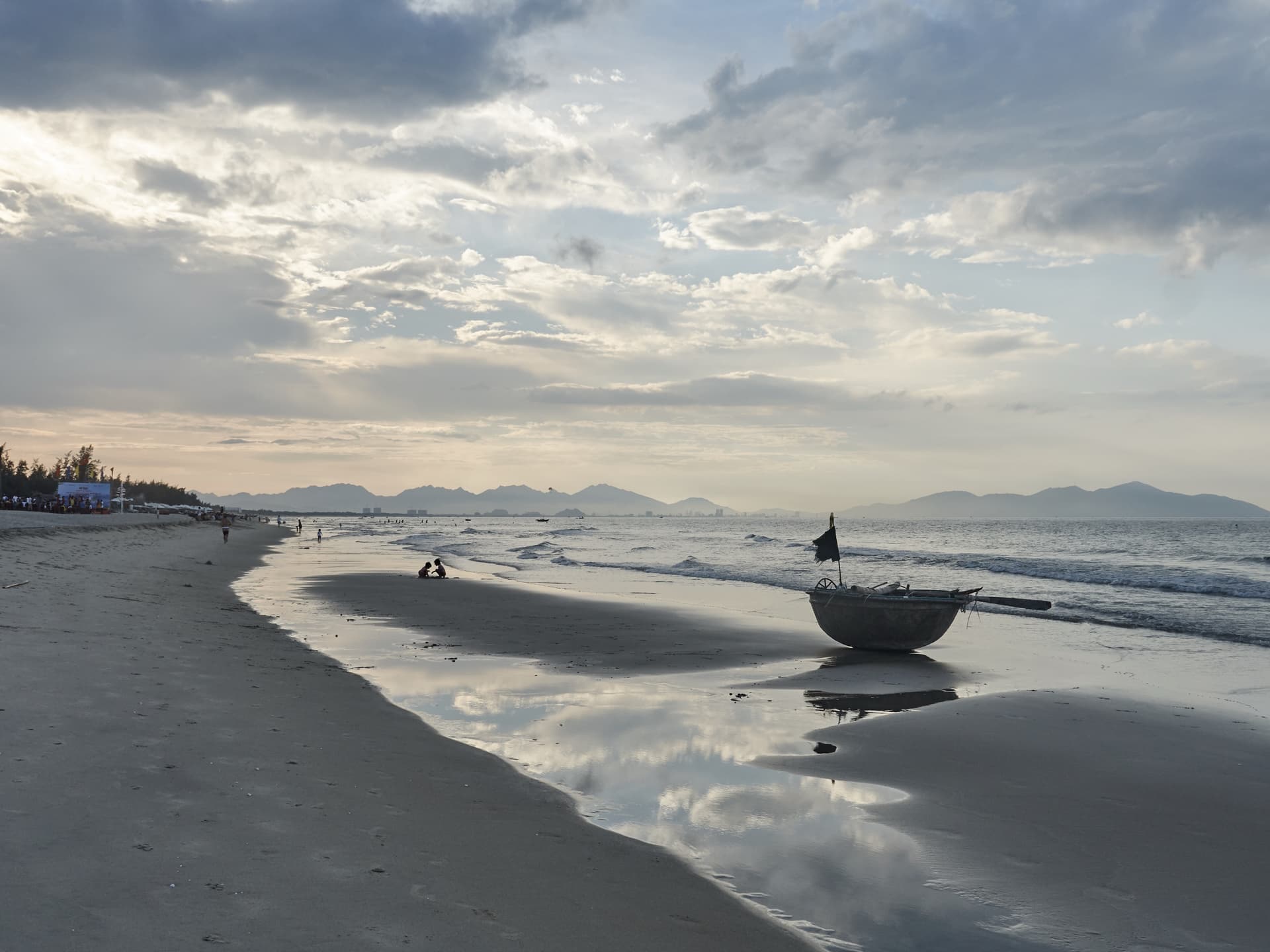
وعملياً، لا يلزم الاختيار بين الاثنين، فيمكن تقسيم الليالي بينهما: فترة في البلدة القديمة للتراث والخياطة، ثم انتقال إلى الشاطئ للاسترخاء، أو العكس. وليلتان في كل منهما تمنحان المجموعة بلدة الفوانيس والبحر معاً، وإن جاء الشاطئ أخيراً انتهت الرحلة على راحة لا على يوم أخير مزدحم. أما أيّ القاعدتين أولاً فيتبع رحلات الطيران ومواعيد الخياطة وما تفضّله المجموعة.
النسخة الخاصة من تجارب هوي آن المميّزة
تجارب هوي آن الرئيسية معروفة، وهنا الخطر. فإن جرت بالطريقة المعتادة وضعت المجموعة الفاخرة وسط الحشد في أكثر الساعات ازدحاماً. والحجز الخاص يغيّر التنظيم والتوقيت والمرشد، لكنه لا يُفرغ الأماكن العامة، فمن المفيد أن تعرف ما يغيّره وما لا يغيّره قبل أن تعد به عميلك.
قارب فوانيس خاص على نهر هواي (Hoai) عند الغسق هو المثال الأوضح. فالقارب الخاص يحمل المجموعة وحدها، ويمكن توقيته للضوء الناعم حين تُضاء الفوانيس، لكنه لا يجعل النهر هادئاً: فقوارب الليل على نهر هواي تخضع للترخيص وتزدحم في ساعات الذروة، والقارب الخاص يبحر بينها. وقد يخفّف الإبحار قبل الذروة أو بعدها من الزحام دون أن يلغيه، فاشرح ذلك للعميل قبل الحجز، وتأكّد من ترخيص القارب ونقطة الصعود ومدة الجولة.
موعد الخياطة هو التجربة المميّزة الأخرى، ويصنع حسن ترتيبه فرقاً كبيراً. فبدلاً من أن يصطف الضيف في متجر مزدحم ويراهن على سرعة الإنجاز، يُحجز موعد مسبق يترك وقتاً لجلستي قياس على الأقل، فتتوزع المقاسات واختيار الأقمشة والتعديلات على أيام الإقامة، ولا يُستعجل التفصيل. لذلك احجزه في أول البرنامج، لا في عصر اليوم الأخير.
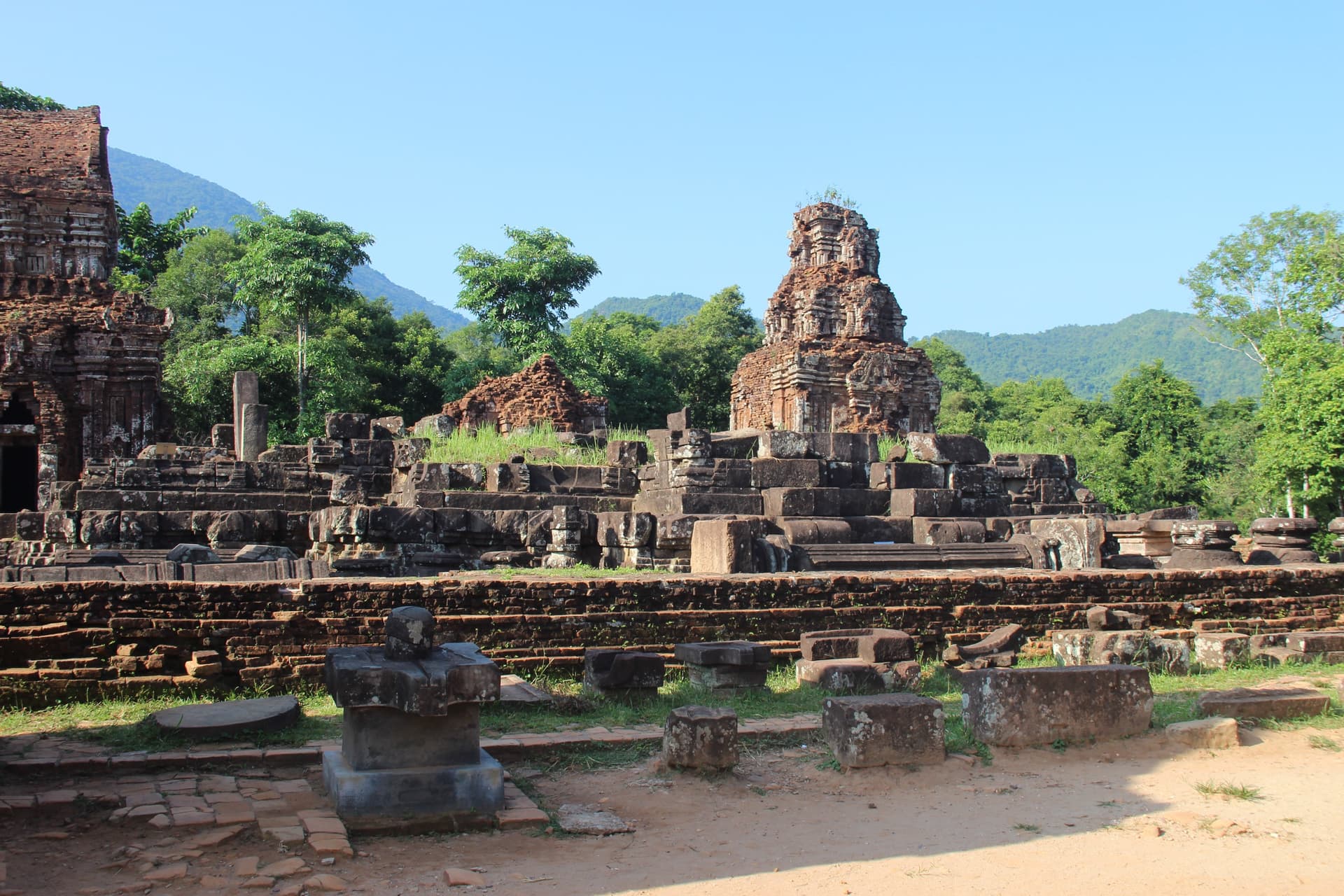
مي سون عند فتح البوابة. يفتح حرم مي سون من 06:00 إلى 17:00 كل يوم، ويقع على بعد نحو ساعة بالسيارة في الداخل، وقد تصل مدة الطريق إلى ساعة ونصف. ومن أوائل مارس إلى نوفمبر تشرق الشمس قبل فتح البوابة، فلا تعد عميلك بأول الضوء ولا بالشروق ولا بمعابد خالية. والنصيحة أن تصل المجموعة عند الفتح، قبل حرّ الظهيرة وحافلات المجموعات، مع مرشد يحسن رواية القصة. ويدفع الزائر الأجنبي 150,000 دونغ، ويشمل المبلغ الدخول وخدمات الموقع.
وعلى المنوال نفسه تأتي بقية التجارب: وقت الشاطئ في آن بانغ أجمل في الصباح الباكر، قبل الباعة والحرّ. وجولة قارب السلة أو زيارة حديقة أعشاب ترا كوي، إن حُجزت على نحو خاص، تسير بإيقاع المجموعة ومرشدها لا بإيقاع حافلة: بضعة قوارب سلة بين أشجار جوز الهند، أو ساعة عملية في أحواض الأعشاب. وعشاء خاص على ضفة النهر، والبلدة القديمة تتوهّج عبر الماء، ختام مناسب لليوم. وكل هذه التجارب موجودة في البرامج المعتادة، والفرق في الإطار الخاص والتوقيت والمرشد.
متى ينبغي أن تذهب المجموعة الفاخرة
التوقيت في هوي آن ليس تفصيلاً جانبياً. فالساحل الأوسط يسير على تقويمه الخاص، والبلدة القديمة منخفضة بجانب نهر قد يفيض في عام سيئ. وإن أخطأت الموسم صار قارب الفوانيس وزيارة مي سون وصباحات الشاطئ رهن الطقس.
خطّط داخل النافذة الجافة، الممتدة على الساحل الأوسط من فبراير إلى أغسطس تقريباً. أشهرها الأولى دافئة ومشرقة ومريحة للسير وأيام التراث، ومنتصف الصيف حار ومناسب للشاطئ والمسبح. وهذا هو النصف الأكثر موثوقية من العام.
أما الفترة التي يجب التخطيط حولها فهي أشهر الأمطار الغزيرة وخطر الفيضانات، من سبتمبر إلى نوفمبر تقريباً، وذروتها أكتوبر ونوفمبر. ففيها يطول المطر وقد تمرّ عاصفة مدارية، وقد يفيض نهر ثو بون إلى البلدة القديمة المنخفضة. لا يحدث ذلك كل عام، لكن الخطر حقيقي. فإن وقعت تواريخ المجموعة في هذه الأشهر، فضع بدائل للأيام المعتمدة على النهر، واسأل الفندق كيف يتعامل مع ارتفاع المياه. ويضع دليلنا عن أفضل وقت لزيارة فيتنام هذه التواريخ في سياق بقية البلاد.
ما تضيفه شركة DMC إلى إقامة فاخرة في هوي آن
يستطيع الحجز المباشر أن يضع المسافر في فندق جيد في هوي آن. أما ما تضيفه شركة إدارة الوجهات فهو التوقيت والتنسيق: مرشد خاص يعرف أي ساعة تناسب كل موقع، وفندق يُختار بحسب رغبة المجموعة في الشاطئ أو البلدة القديمة أو كليهما، ومواعيد خياطة تتسع لجلستي قياس. والدخول الخاص إلى المواقع ليس مشمولاً تلقائياً، ويُؤكَّد في عرض السعر حيث يتاح.
وتعمل Pai Dai في فيتنام من خلال شركة PAIDAI VIETNAM COMPANY LIMITED، وهي شركة إدارة وجهات مرخّصة. ويذكر عرض السعر جهة الاتصال للتغييرات وطريقة التعامل مع تغيّر الطقس، مثل نقل جولة القارب إلى موعد آخر أو إعادة ترتيب اليوم بعد مطر غزير. ونادراً ما تكون هوي آن محطة قائمة بذاتها، ففي مسار التراث الفيتنامي، وهو مسار نموذجي من تسع ليالٍ، تأخذ هوي آن ليلتين إلى جانب مدينة هو تشي منه وهوي (Hue) وهانوي وخليج ها لونغ.
إن كنت تخطط لإقامة فاخرة في هوي آن لعميل، فابدأ بشكل الرحلة: التواريخ، والمسافرون، وهل تميل الإقامة إلى الشاطئ أم إلى البلدة القديمة، ثم أرسل إلينا هذه التفاصيل عبر نموذج الاستفسار الخاص بالوكالات، واطّلع على طريقة عملنا مع وكالات السفر، بما في ذلك الأسعار الصافية، أي أسعار الشراء التجارية، عند التسجيل.
الأسئلة الشائعة
أين تقيم في هوي آن لرحلة فاخرة؟
الخيار بين منتجع على الساحل، من آن بانغ شمالاً نحو ها مي، بمسابح وسبا والبحر عند الباب، وفندق بوتيك في البلدة القديمة المضاءة بالفوانيس أو على أطرافها، على مسافة سير من الخياطين وضفة النهر. ويوضح Four Seasons Resort The Nam Hai على شاطئ ها مي وAnantara Hoi An على نهر ثو بون قرب البلدة القديمة مستوى النمطين. ويمكن تقسيم الإقامة بين الاثنين، ليلتين في كل منهما.
متى هو أفضل وقت لزيارة هوي آن؟
خطّط داخل النافذة الجافة، من فبراير إلى أغسطس تقريباً؛ فأشهرها الأولى مريحة للسير في القلب التراثي، ومنتصف الصيف حار ومناسب للشاطئ. أما سبتمبر إلى نوفمبر فموسم الأمطار الغزيرة وخطر الفيضانات، وذروته أكتوبر ونوفمبر، وقد تغمر المياه البلدة القديمة المنخفضة. فإن وقعت التواريخ في هذه الأشهر، فضع بدائل للأيام المعتمدة على النهر، واسأل الفندق عن ترتيباته عند ارتفاع المياه.
ما هي أفضل التجارب الخاصة في هوي آن؟
قارب فوانيس خاص عند الغسق يحمل المجموعة وحدها دون أن يجعل النهر هادئاً، وموعد خياطة يتسع لجلستي قياس على الأقل، وزيارة مي سون عند فتح البوابة في 06:00 قبل حرّ الظهيرة وحافلات المجموعات، ووقت على شاطئ آن بانغ في الصباح الباكر، وجولة قارب سلة أو زيارة حديقة أعشاب ترا كوي، وعشاء على ضفة النهر. وكل منها موجود في البرامج المعتادة، والفرق في الإطار الخاص والتوقيت والمرشد.
هل تستحق هوي آن الزيارة لشهر عسل أو رحلة فاخرة؟
نعم، وهي من أقوى محطات فيتنام لكليهما. فالبلدة هادئة ورومانسية وسهلة السير، والشاطئ قريب، ومي سون على بعد نحو ساعة في الداخل. ويمكن لشهر العسل أن يميل إلى منتجع شاطئي مع البلدة القديمة نزهةً مسائية، بينما يتمركز الزوجان المهتمان بالثقافة في البلدة القديمة ويجعلان الفوانيس والخياطة جزءاً من يومهما.
كيف تجعل DMC إقامة فاخرة في هوي آن مختلفة عن حجزها بنفسي؟
الحجز المباشر يؤمّن الفندق. أما شركة إدارة الوجهات فتنسّق التوقيت والمرشدين والمورّدين من حوله، ويذكر عرض السعر ما يشمله كل حجز خاص وما لا يشمله، كالدخول الخاص الذي لا يُدرج إلا حيث يتاح ويُؤكَّد. كما يحدد جهة الاتصال للتغييرات وطريقة التعامل مع الطقس إذا ارتفع النهر بعد مطر غزير.
المصادر الرسمية
عن الكاتبة
Wanwisa Puengsawang
الرئيسة التنفيذية لشركة Pai Dai DMC
تتولى Wanwisa Puengsawang، المعروفة باسم Sally، منصب الرئيسة التنفيذية لشركة Pai Dai DMC، وتقود عملياتها الأرضية في تايلاند وفيتنام، وتعمل مباشرة مع مشغّلي جولات الجملة ومنظّمي فعاليات MICE والعملاء المباشرين.
المزيد عن Pai Dai DMCلوكلاء السفر
هل تخطّطون لرحلة إلى تايلاند أو فيتنام لأحد عملائكم؟
بعد استلام موجز مكتمل التفاصيل، نقدّم عرض سعر يتضمن أسعار الخدمات بحلول الوقت نفسه من يوم العمل التالي. قد نحتاج إلى وقت أطول للطلبات المعقّدة التي تشمل عدة بلدان أو لطلبات موسم الذروة؛ ونبيّن موعد التسليم المعدّل عند تأكيد استلام الطلب.