Hoi An Luxury Travel Guide: When to Go and What to Experience


Wanwisa Puengsawang
CEO, Pai Dai DMC
Three decisions shape a premium Hoi An stay: the base, the number of nights and the season. The base is the beach or the old town, or both in sequence. Give Hoi An at least two nights, ideally three, and four if the stay is split between the old town and the beach. The season matters more than either: the dry window runs roughly February to August, and the flood months, roughly September to November, need a different plan.
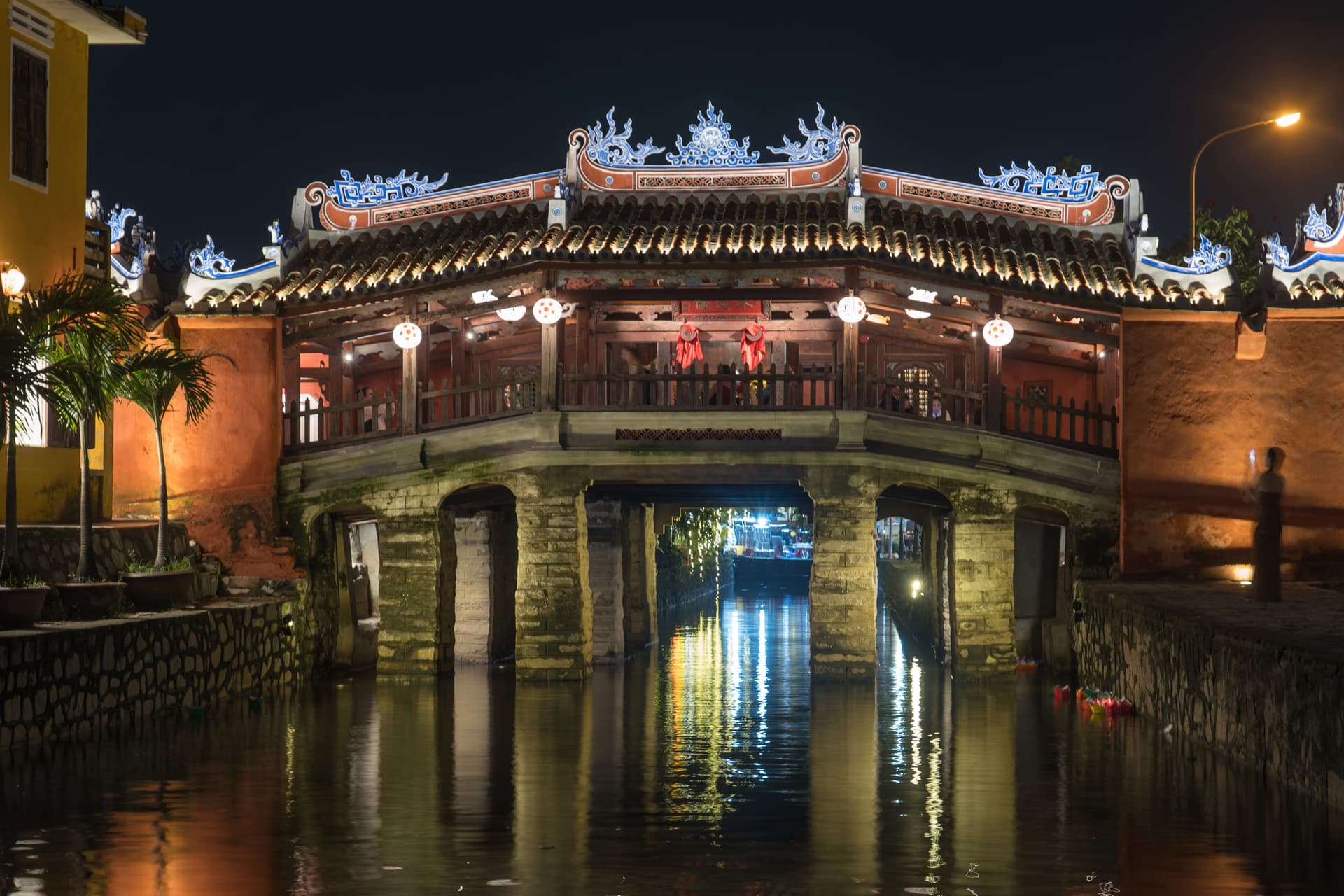
The old town closes to traffic in the afternoons and evenings, and its yellow merchant houses are lit by silk lanterns after dark. A river runs through the middle, beaches and herb gardens are close by, and the brick towers of the Cham sanctuary at My Son stand inland. For first-timer logistics, the heritage ticket and getting there, see our Hoi An destination guide.
Planning a private, tailor-made trip built around Hoi An? See our luxury, tailor-made Thailand and Vietnam journeys.
Hoi An has no airport of its own. The gateway is Da Nang International (DAD), a short coastal drive north of town, which makes Hoi An easy to thread into a longer Vietnam itinerary alongside Hanoi and the central coast.
Why Hoi An suits a premium stay
Most of Vietnam asks a traveller to keep moving. Hoi An asks them to stay still. The old town is small enough to walk, calm enough to wander after dark, and photogenic in a way that does not need staging. For couples, honeymooners, families who want a softer leg, and anyone who finds Hanoi or Ho Chi Minh City too loud, it is the place to slow the trip down.
The range for a high-end group comes from contrast in a small radius. From one base there is UNESCO heritage and made-to-measure tailoring in the old town, with An Bang beach, the rice paddies and the Tra Que herb gardens a short ride out. My Son, the Cham sanctuary, is about an hour inland; allow up to an hour and a half each way. A morning at the ruins, an afternoon by the pool and an evening on the river can sit in one day, as long as the drive to My Son is counted in it.
Where to stay: the beach resort or the old-town boutique
The base comes down to a clear fork, the beach or the old town, and each gives a different version of the stay.
On the coast, the choice is the resort, with pools, gardens, spa space, and the sea a few steps from the room. Look at An Bang and the beaches north toward Ha My: the Cua Dai stretch has eroded, and An Bang is the better beach. A beach base suits honeymooners and families who want long unstructured mornings, with the old town as an evening outing. The Four Seasons Resort The Nam Hai, on Ha My Beach a short way up the coast toward Da Nang, gives a sense of the standard. Our Vietnam Luxury Honeymoon, a programme for two, takes this option: its five Hoi An nights are spent at a beachfront resort on An Bang Beach.
In or near the lantern-lit old town, the choice is the boutique. A smaller heritage-style property puts a guest on foot to the tailors, the merchant houses, and the riverfront, so the town's best hour, the slow stretch after the day crowds thin and before dinner, is just outside the door. Anantara Hoi An, on the Thu Bon beside the old town, illustrates the style. For clients who want more space, La Siesta Hoi An sits a little further out, with a shuttle into town. Clients who came for the lanterns and the tailoring, and who want the town to be the experience and not a day trip, are better placed here than on the sand.
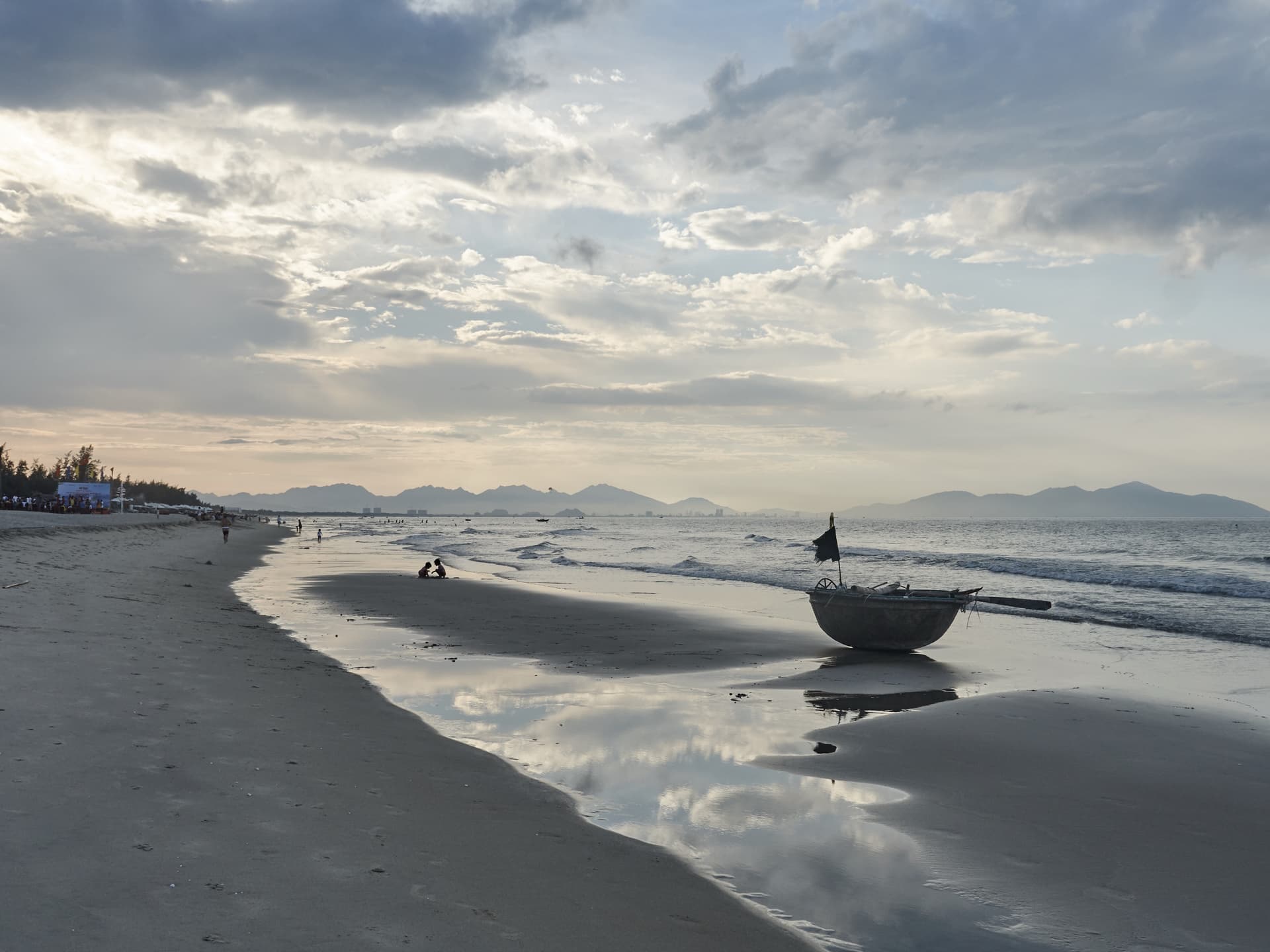
A split stay takes both: a stretch in the old town for the heritage and the tailoring, then a move to the beach, or the reverse. Two nights in each gives a group the lantern town and the sea. Let the flights and the tailoring set the order: starting in town puts the first fittings early in the stay and lets the trip end on rest by the sea, while ending in town suits clients who want the lanterns as the close.
The private version of Hoi An's signature experiences
Hoi An's headline experiences are well known, and at the busiest hours a standard booking puts a group shoulder to shoulder with the crowd. A private booking changes who shares the experience: the boat, the guide, the table or the session is for the group alone. It does not change how busy a public place is. Special access is not automatically included; where it is available, the quotation confirms it.
A private lantern boat at dusk is the clearest example. The boat carries only the group, timed for the soft light as the lanterns come on, but the river does not empty for it: at peak the water by the old town is crowded. Night boats on the Hoai River need a licence, so confirm the boat along with the boarding point and the duration. This is the image most clients expect of Hoi An, so tell them what the scene around the boat will look like.
A private tailoring appointment is the other signature, and the gap between doing it well and doing it badly is wide. Book it early in the stay and leave time for at least two fittings across the nights, so the measuring, the cloth and the adjustments are paced and the pieces are not finished in a rush on the last afternoon. The brief should say what the client wants made, and the programme should show when the fittings fall.
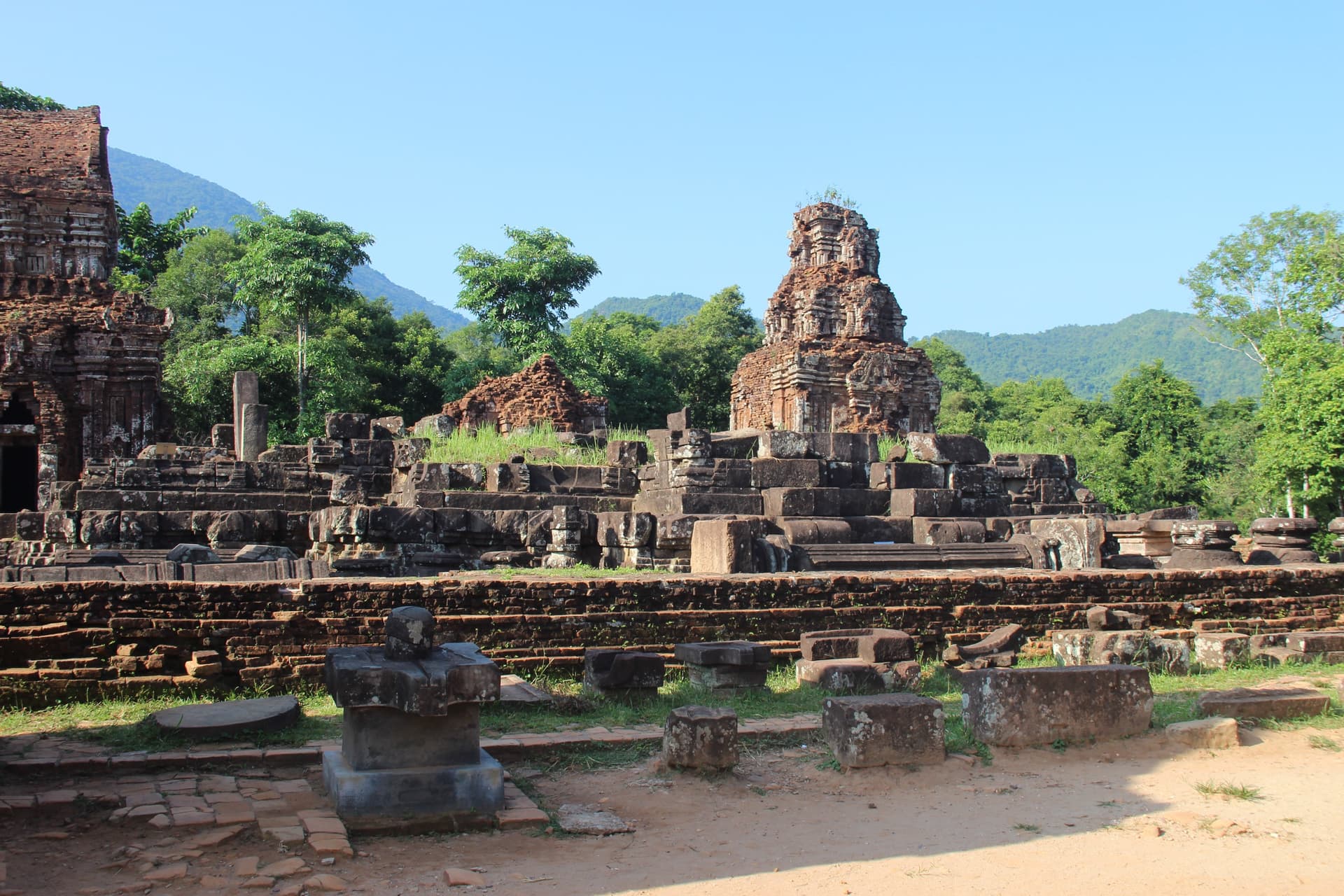
A morning at My Son is the experience most affected by timing, and the gates set it. The My Son Sanctuary Management Board lists the site as open from 06:00 to 17:00 every day, and the drive from Hoi An takes about an hour. From early March to November the sun is up before the gates open, so do not sell first light, sunrise or empty temples. Plan to arrive as the gates open, ahead of the midday heat and the coach groups, with a private guide who can tell the story of the towers. Foreign visitors pay 150,000 VND, which includes entry and the site's services.
An Bang beach time belongs in the early morning, before the vendors and the heat. A basket-boat session or a Tra Que herb-garden visit can be booked for the group alone: a few coracles on the water among the coconut palms, or a hands-on hour in the herb beds. Confirm the group size, the guide, the timing and what is included; a session for the group does not close the area to other visitors. For a private riverside dinner, say whether the client wants a table set apart, a private room or the whole venue, and confirm the menu and any dietary needs.
When a luxury group should go
Timing is not a footnote in Hoi An. The central coast runs on its own calendar, and the old town sits low beside a river that floods in a bad year. Get it wrong and the boat, the My Son morning and the beach days are all at the mercy of the weather.
Plan inside the dry window, which on the central coast runs roughly February to August. The earlier months are warm, bright, and comfortable for walking and the heritage days. The midsummer stretch is hot and suits the beach and the pool, with the sightseeing pushed early.
The months to design around are the heavy-rain and flood-risk period, roughly September to November, with October and November the peak. This is when prolonged rain and the occasional tropical storm move through, and when the Thu Bon can push over its banks into the low-lying old town. It does not happen every year. If a client's dates fall in these months, plan the river-dependent days with alternatives, keep some days interchangeable, and ask each hotel how it handles high water before you confirm it. For the full regional picture and how the rest of Vietnam lines up around these dates, our guide on the best time to visit Vietnam is the companion read.
What a DMC adds to a luxury Hoi An stay
A direct booking can put a traveller in a good hotel in Hoi An. What a destination management company adds is the sequencing and the supplier choice around it: which hour each site gets, which base fits the client, when the fittings fall, and which boat, guide and dinner venue suit the group.
In Vietnam, Pai Dai trades through PAIDAI VIETNAM COMPANY LIMITED, a licensed destination management company, and the quotation names the company you contract with. It should list what is included and which private services, and any special access, are confirmed for the dates. It should also name the contact for changes during the stay and say how weather changes are handled, for example when heavy rain moves a river day.
Hoi An is rarely a stop on its own. It sits most directly inside our Vietnam Heritage Route, which gives the old town and its tailors two nights between Ho Chi Minh City and Hue, then continues to Hanoi and Ha Long Bay.
If you are planning a luxury Hoi An stay for a client, the place to start is the shape of the trip: the dates, the travellers, and whether the stay should lean to the beach or the old town. Send us that outline through our agency enquiry form and we will build the private version, from the wish list to the days on the river. Our page on how we work with travel agencies explains net rates on registration.
FAQ
Where do you stay in Hoi An for a luxury trip?
Choose between a beach resort at An Bang or up the coast toward Ha My, with pools, spa and the sea at the door, and a boutique in or near the lantern-lit old town, on foot to the tailors and the riverfront. The Four Seasons Resort The Nam Hai on Ha My Beach and Anantara Hoi An on the river by the old town illustrate the two options. Many premium programmes split the stay, two nights in each.
When is the best time to visit Hoi An?
Plan inside the dry window, roughly February to August. The earlier months are warm and bright for walking the heritage core, while midsummer is hot and suits the beach. Heavy rain and flood risk run roughly September to November, with October and November the peak, so if the dates fall then, plan the river days with alternatives.
What are the best private experiences in Hoi An?
A private lantern boat at dusk, a made-to-measure tailoring appointment with time for at least two fittings, a morning at My Son timed for the 06:00 opening, early-morning An Bang beach time, a basket-boat or Tra Que herb-garden session for the group alone, and a riverside dinner set apart. A private booking changes who shares the experience, not how busy a public place is. The quotation should say what each one includes.
Is Hoi An worth visiting for a honeymoon or luxury trip?
Yes, and it is one of the strongest stops in Vietnam for both. The town is calm and walkable, and the beach and the heritage core are a short ride apart. A honeymoon can lean to a beach resort with the old town as an evening out, while a culture-led couple can base in the old town and take the lanterns and the tailoring on foot.
What does a DMC add to a luxury Hoi An stay?
A direct booking secures the hotel. A destination management company adds the sequencing and the supplier choice around it, from the hour each site gets to the boat, the guide and the fittings. In Vietnam, Pai Dai trades through PAIDAI VIETNAM COMPANY LIMITED, a licensed destination management company. The quotation should list what is included, confirm any special access where it is available, and name the contact for changes and how weather changes are handled.
Official sources
About the author
Wanwisa Puengsawang
CEO, Pai Dai DMC
Wanwisa Puengsawang, known as Sally, is the CEO of Pai Dai DMC. She leads the company's ground operations across Thailand and Vietnam, working directly with wholesale operators, MICE planners, and private clients.
More about Pai Dai DMCFor travel agencies
Planning Thailand or Vietnam for a client?
After we receive a complete brief, we provide a costed quote by the same time on the next business day. Complex multi-country or peak-season requests may take longer; we state the revised deadline when we acknowledge the request.