Skip to content
Hoi An Travel Guide for First-Timers (2026)
City Guide

Hoi An Travel Guide for First-Timers (2026)

Last updated June 2026

Why visit Hoi An, and who is it for?

Hoi An suits first-timers who want Vietnam at its gentlest: a lantern-lit, traffic-free Old Town of yellow merchant houses, world-class custom tailoring, riverside food, and easy cycling out to beaches and rice paddies. Give it at least two nights, ideally three. It rewards a slow pace far more than a rushed checklist. It is ideal for couples, families, and anyone who finds Hanoi or Ho Chi Minh City too frantic. If you want one slow, photogenic, deeply atmospheric stop in central Vietnam, this is the one we send people to.

An old town lit by silk
The lantern town

An old town lit by silk

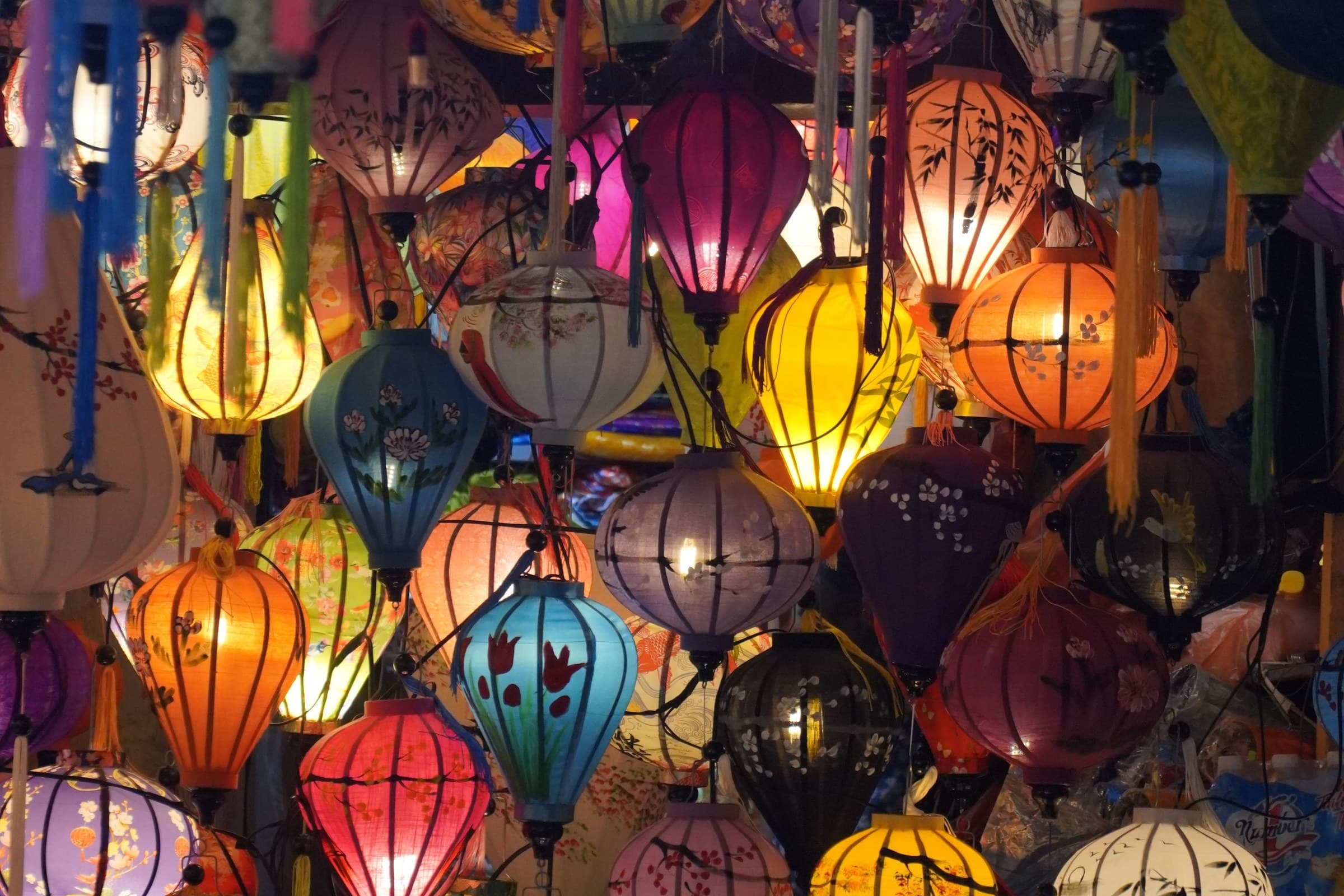
Hoi An's UNESCO Old Town is a traffic-free grid of yellow merchant houses, and after dark it glows by silk lantern alone. Candle-floats drift on the Thu Bon river, the night market hums across the bridge, and the whole town slows to a stroll. Give it at least two nights to feel it properly.

Don't miss

Float a paper lantern from a sampan on the Thu Bon at dusk, then wander the lantern-lit lanes once the day crowds thin.

Merchant houses and made-to-measure
Heritage and tailoring

Merchant houses and made-to-measure

The Old Town's wealth shows in its assembly halls and centuries-old merchant homes, like the Tan Ky house, lived in by the same family for seven generations. It is also the tailoring capital of Vietnam: choose a reputable shop on your first day, allow two or three fittings, and walk away with something made for you.

Don't miss

Order your tailoring early, not on your last day. A good result needs at least 24 to 48 hours and two fittings.

Beaches, paddies, and Cham ruins
Beyond the old town

Beaches, paddies, and Cham ruins

A short cycle from the lanterns lie the rice paddies, the herb gardens of Tra Que, and the easy sands of An Bang beach. An hour inland, the brick towers of My Son rise among the hills, the Cham Hindu sanctuary that predates the town by a thousand years. Hoi An rewards a slow day out as much as an evening in.

Don't miss

Leave at dawn for My Son to beat the heat and the crowds, or cycle to An Bang for a morning swim before the vendors arrive.

Top sights

Hoi An's essential sights

  • Japanese Covered Bridge

    Japanese Covered Bridge

    The 400-year-old roofed bridge on the town's banknote, reopened in 2024 after restoration.

    Tran Phu Street30 minutes
  • Fujian Assembly Hall

    Fujian Assembly Hall

    The grandest of the Chinese community halls, a richly decorated temple to the sea goddess.

    Tran Phu Street30 to 45 minutes
  • Old House of Tan Ky

    Old House of Tan Ky

    A preserved 18th-century merchant's home, owned by the same family for seven generations.

    Nguyen Thai Hoc Street30 minutes
  • Lantern streets and Night Market

    Lantern streets and Night Market

    Silk lanterns over the lanes and candle-floats on the river, the experience most people picture.

    Riverfront and An HoiAn evening
  • An Bang Beach

    An Bang Beach

    The relaxed white-sand beach about 5 km from town, lined with easygoing beach bars.

    5 km from Old TownHalf a day
  • My Son Sanctuary

    My Son Sanctuary

    A UNESCO cluster of brick Cham Hindu temples from the 4th to 13th centuries.

    About 1 hour inlandHalf day trip
  • Tra Que Vegetable Village

    Tra Que Vegetable Village

    A centuries-old organic herb village, a lovely cycling stop with hands-on farming.

    Between town and beach1 to 2 hours

What should you know before visiting Hoi An?

Visit between February and April for warm, dry, low-humidity days, the most reliable window of the year. Plan carefully around September to November, the wet season, when typhoons and prolonged rain can push the Thu Bon river over its banks. The Old Town sits on low ground beside the river, so parts of it genuinely flood most years, October and early November being the highest-risk weeks. This is the single most important thing a first-timer must plan around.

Here is how the year breaks down so you can pick your window.

Season Months Weather Verdict
Dry and pleasant Feb to Apr Warm, sunny, low humidity Best time. Comfortable for walking and the beach.
Hot May to Aug Hot and humid, occasional showers Fine for the beach, hot at midday. Good lantern nights.
Wet and flood-prone Sep to Nov Heavy rain, typhoon risk, Old Town flooding Plan carefully. October is the wettest and riskiest.
Cooler and damp Dec to Jan Cooler, drizzly, fewer crowds Mild and quiet, pack a light layer and a rain shell.

Getting there. Hoi An has no airport of its own. You fly into Da Nang International Airport (DAD), about 30 km north, then transfer roughly 30 to 45 minutes by road. A Grab car typically runs around 250,000 to 350,000 VND (about USD 10 to 14) and a standard taxi around 300,000 to 400,000 VND; many hotels arrange transfers, and Hoi An also connects by road to Hue, about 2.5 to 3 hours away. Use the Grab app or an official Mai Linh taxi rather than touts at the airport.

Getting around. The Old Town is small, flat, and pedestrianised at peak hours (closed to traffic in the afternoons and evenings), so you explore the historic core entirely on foot. A bicycle is the local way to reach An Bang beach, Tra Que herb village, and the rice paddies just beyond town. Use Grab or a taxi for the beaches and for trips back from Da Nang. You will not need or want a car within the Old Town itself.

Where to stay

Where to base yourself

  • Old Town

    Best for

    First-timers, walking, lantern nights

    The pedestrianised heritage core, on foot to the bridge, the tailors, and the riverfront. The default base.

  • An Bang Beach

    Best for

    Beach days and a slower pace

    Easygoing beachfront about 5 km out, with sea-view stays and a short cycle or Grab into town.

  • An Hoi and the riverside

    Best for

    Couples, lantern views, the night market

    Across the bridge from the Old Town, close to the night market and the river, lively after dark.

  • Cam Thanh and the countryside

    Best for

    Resorts, quiet, rice-paddy calm

    Coconut palms and paddies between town and the sea, where the larger resorts sit, calm and green.

What are the best things to see in Hoi An?

The essential first-timer list pairs the Old Town's heritage houses and assembly halls with a lantern night on the river, a beach or coconut-forest morning, and a half-day at the My Son ruins. One clarification first, because it confuses everyone: the Hoi An Ancient Town heritage ticket costs 120,000 VND, admits you to five of 22 listed sites (you choose which), and is valid for 24 hours. It is entirely separate from My Son, which charges its own fee. Here is the Top 5.

The Japanese Covered Bridge (Chua Cau) is the 400-year-old icon on the town's banknote, a roofed wooden bridge with a small temple built into it. It reopened in August 2024 after a careful two-year restoration. The interior uses one heritage-ticket punch; the exterior on Tran Phu Street is free. Fujian Assembly Hall (Phuc Kien) is the grandest of the Chinese community halls, a richly decorated temple to the sea goddess Thien Hau with a vivid gateway and incense coils. One heritage-ticket punch; on Tran Phu Street, open daytime hours.

The Old House of Tan Ky is a beautifully preserved 18th-century merchant's home, still owned by the same family after seven generations, blending Vietnamese, Chinese, and Japanese carpentry. Watermarks on the walls show how high past floods have reached. Practical note: a heritage-ticket site (one of your five punches), just off the riverfront on Nguyen Thai Hoc Street.

The Old Town lantern streets and Hoi An Night Market are the experience most people picture: silk lanterns glowing over the lanes, candle-floats drifting on the river, and a busy night market across the bridge on Nguyen Hoang Street. Practical note: wandering the streets is free; floating a paper lantern from a sampan costs a small fee paid to the boat rower, best from dusk onward, riverfront and An Hoi islet.

An Bang Beach is the relaxed white-sand beach about 5 km from town, lined with easygoing beach bars and far nicer than the eroded Cua Dai stretch. Practical note: free to access, beach loungers come with a drink or a small charge, a 15-minute cycle or short Grab from the Old Town, best in the morning before the crowds and vendors arrive.

Also worth your time:

  • My Son Sanctuary, a UNESCO-listed cluster of brick Cham Hindu temples from the 4th to 13th centuries, makes a classic half-day trip about an hour inland. Foreign admission is 150,000 VND (which includes the shuttle buggy and a short traditional dance performance), open daily 6am to 5pm. Go at opening for cool air, soft light, and fewer crowds.
  • Tra Que Vegetable Village, a centuries-old organic herb-growing village between town and the beach, is a lovely cycling stop with hands-on farming and cooking experiences.
  • The Cam Thanh coconut forest basket boats at Bay Mau, about 10 to 15 minutes from town, are round bamboo coracles paddled through water-coconut palms, touristy but genuinely fun for families.
  • The monthly Full Moon Lantern Festival, held on the 14th night of each lunar month (the eve of the full moon), sees the Old Town switch off its electric lights from roughly 6pm to 10pm and glow by silk lantern alone. In 2026 the dates fall on 2 Jan, 1 Feb, 2 Mar, 1 Apr, 30 Apr, 30 May, 28 Jun, 27 Jul, 26 Aug, 24 Sep, 23 Oct, 22 Nov, and 22 Dec.

A note on tailoring, because it is the Hoi An signature: the town is famous for fast, affordable custom-made clothing. Pick a reputable shop with strong recent reviews, allow at least 24 to 48 hours and two or three fittings for a good result (do not leave it to your last day), and bring clear photos of what you want. Trusted, long-established names include Yaly Couture, BeBe Tailor, and A Dong Silk; quality and price vary widely, so the shop you choose matters more than the bargain.

Where should you eat in Hoi An?

The dish to chase in Hoi An is cao lau, a smoky bowl of thick noodles, slices of char siu pork, fresh herbs, and crisp croutons, traditionally made only here with water from a specific local well. Eat that first, then widen out. Seek white rose dumplings (banh bao banh vac), delicate translucent shrimp dumplings unique to the town; com ga Hoi An, turmeric-yellow chicken rice with shredded poached chicken and herbs; and the celebrated local banh mi, a baguette stuffed with pate, pork, and herbs.

For cao lau, Cao Lau Ba Le, tucked in an alley near the museum in the Old Town, is a long-running local favourite where dishes start around 30,000 to 50,000 VND, and it also does excellent white rose and chicken rice. For banh mi, Banh Mi Phuong on Phan Chau Trinh Street is the spot Anthony Bourdain made famous, open roughly 6:30am to 9pm with queues by late morning, so go early. For com ga, the old-guard chicken-rice houses around the central market are the local benchmark.

What does a perfect 3-day Hoi An itinerary look like?

A perfect first-timer plan gives Hoi An three days: day one for the Old Town's heritage houses and your first tailor fitting, day two for the beach and a slow cycle through the herb villages, and day three for the My Son ruins and a lantern night on the river. Three days covers the essentials without rushing, and leaves time for two tailoring fittings. Here is the shape we use most.

Day 1, the Old Town and the tailors. Buy your heritage ticket and walk the Japanese Covered Bridge, the Fujian Assembly Hall, and the Old House of Tan Ky in the cool morning. Choose a tailor and place your order early so there is time to adjust. Rest through the heat, then return for the riverfront and night market after dark, floating a lantern on the Thu Bon.

Day 2, the beach and the paddies. Cycle out to Tra Que herb village and on to An Bang beach for a slow swim and a long lunch. Come back through the rice paddies in the late afternoon, and slot in your first tailor fitting before dinner.

Day 3, My Son and a lantern night. Leave at dawn for the My Son ruins to beat the heat and the crowds, back by early afternoon. Collect your finished tailoring, browse the lantern shops, and end with a final riverside dinner, ideally on a full-moon festival night if the dates line up.

This unhurried three-day rhythm is the heart of our Vietnam Heritage Route journey, which threads Hoi An's Old Town and tailors together with the wider central-Vietnam heritage trail and pairs naturally with Hanoi and Halong Bay if you have more time.

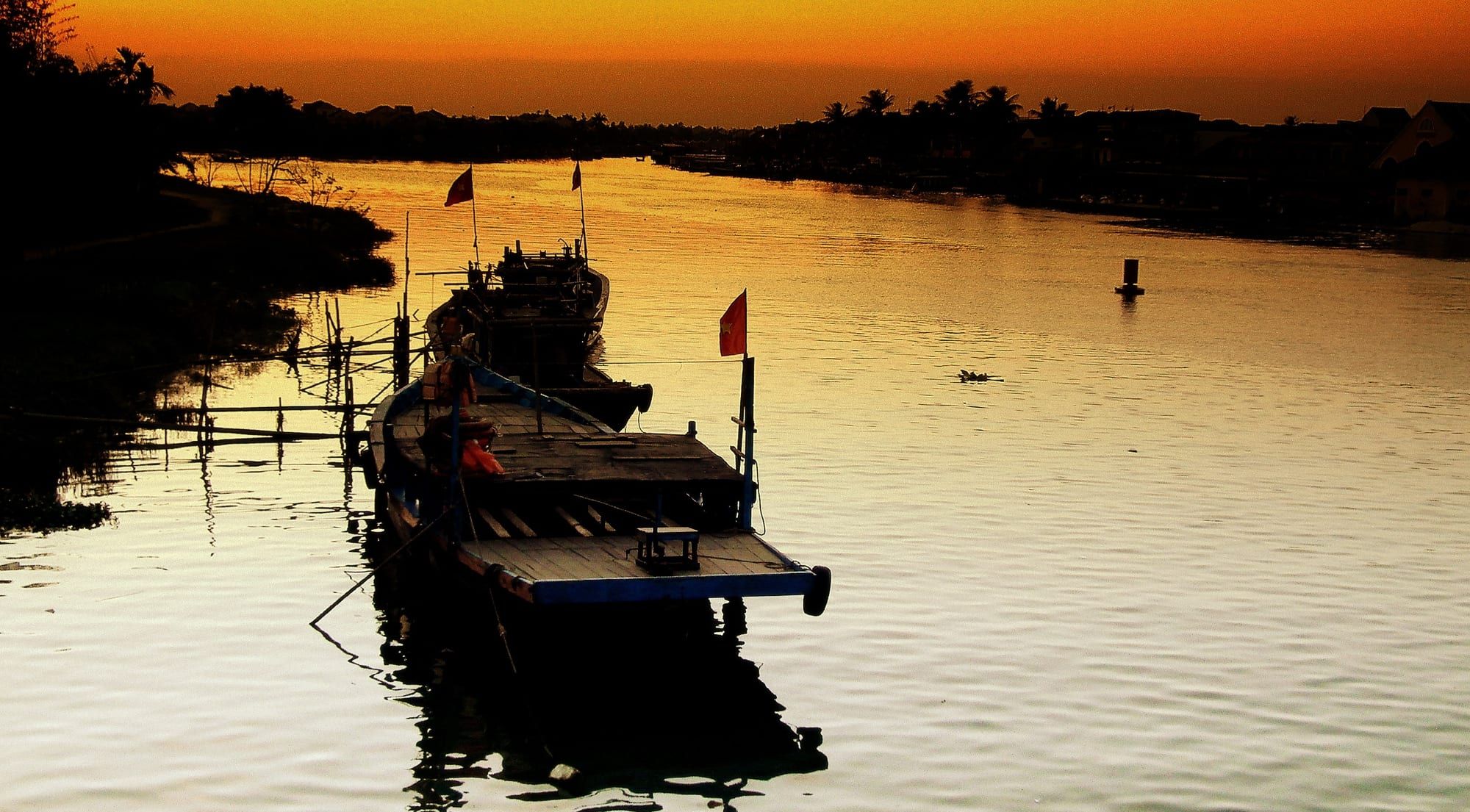
Thu Bon River
Thu Bon River
As the sun drops behind the old town, the lanterns come on one by one, and the river fills with drifting points of light.
Gallery

FAQ

When is the best time to visit Hoi An?

February to April is the best time, with warm, dry, sunny days and low humidity that are ideal for walking the Old Town, the beach, and cycling. May to August is hot but good for beach days and lantern nights. Avoid or plan carefully around September to November, the wet, typhoon-prone season when the Old Town can flood.

How many days do you need in Hoi An?

At least two nights, and ideally three full days. Two days lets you see the Old Town, get clothes tailored, and have one beach or My Son outing. A third day adds a relaxed beach-and-paddies cycle and a lantern night without rushing, and crucially gives your tailor time for a second fitting. More than three suits travellers who want to truly slow down.

Does Hoi An flood, and when should I avoid it?

Yes, the Old Town genuinely floods in most years because it sits on low ground beside the Thu Bon river. The highest risk runs from late September to November, with October the wettest and most typhoon-prone month, when streets can sit under water for days. It does not flood every year, but if you visit in this window, book a hotel on higher ground away from the riverfront.

How do you get to Hoi An from Da Nang airport?

Hoi An has no airport, so you fly into Da Nang International Airport (DAD), about 30 km north, then drive 30 to 45 minutes. A Grab car costs roughly 250,000 to 350,000 VND (about USD 10 to 14) and a taxi a little more; many hotels arrange a transfer. Use the Grab app or an official Mai Linh taxi rather than touts at the arrivals hall.

How much is the Old Town entrance ticket, and do you need it?

The Hoi An Ancient Town heritage ticket costs 120,000 VND for foreign visitors, admits you to five of the 22 listed heritage sites (you choose which), and is valid for 24 hours. You can walk the streets, eat, shop, and tailor without it; the ticket is only required to enter the ticketed houses, assembly halls, and museums, including the interior of the Japanese Covered Bridge.

Is Hoi An tailoring worth it, and how long does it take?

Yes, if you choose well and allow time. Hoi An tailors make custom suits, dresses, and shirts quickly and affordably. A simple item can be ready in 24 hours, but a good result needs at least 24 to 48 hours and two or three fittings, so order on your first day rather than your last. Pick a reputable shop with strong recent reviews and bring clear reference photos.

When is the Hoi An lantern festival?

The Full Moon Lantern Festival happens monthly, on the 14th night of each lunar month, the eve of the full moon. The Old Town switches off its electric lights from about 6pm to 10pm and glows by silk lantern alone, with candle-floats released on the river. In 2026 the dates include 2 Mar, 1 Apr, 24 Sep, and 23 Oct, among thirteen nights spread across the year.

Is Hoi An worth visiting, and what is it known for?

Yes, emphatically, and it is many travellers' favourite stop in Vietnam. Hoi An is known for its lantern-lit UNESCO Old Town, fast custom tailoring, distinctive food like cao lau and white rose dumplings, and an easygoing pace with beaches and rice paddies a short cycle away. It is calmer and more romantic than Vietnam's big cities and an ideal gentle introduction to the country.

Hoi An, Da Nang, or Hue, which should I choose?

Ideally see all three, since they sit close together around Da Nang airport. Choose Hoi An for lantern-lit charm, tailoring, and slow romance; Da Nang for a modern beach city with nightlife and easy transport; and Hue for imperial history and the old citadel. Many central-Vietnam itineraries combine Hoi An as the base with a My Son half-day and a day trip to Hue.

Ready to experience Hoi An for real?

Tell us how you like to travel and our ground team will shape the trip around it.