Cómo preparar un circuito de diez días por Vietnam para salidas en serie


Wanwisa Puengsawang
CEO y Fundadora, Pai Dai DMC
Un mismo itinerario puede servir de base para una serie de salidas, pero fechas distintas no reciben automáticamente las mismas habitaciones, las mismas tarifas ni los mismos guías. Antes de que el programa entre en un folleto, conviene decidir qué debe mantenerse igual en todas las salidas y qué puede cambiar.
Este artículo es un ejemplo de planificación basado en una ruta de muestra publicada, la Ruta del Patrimonio de Vietnam. No relata salidas operadas ni da por hechos pagos de clientes, reservas con proveedores o fotografía contratada. Los proveedores, las fechas, la disponibilidad y los precios se confirman en una cotización.
Una versión base de la ruta
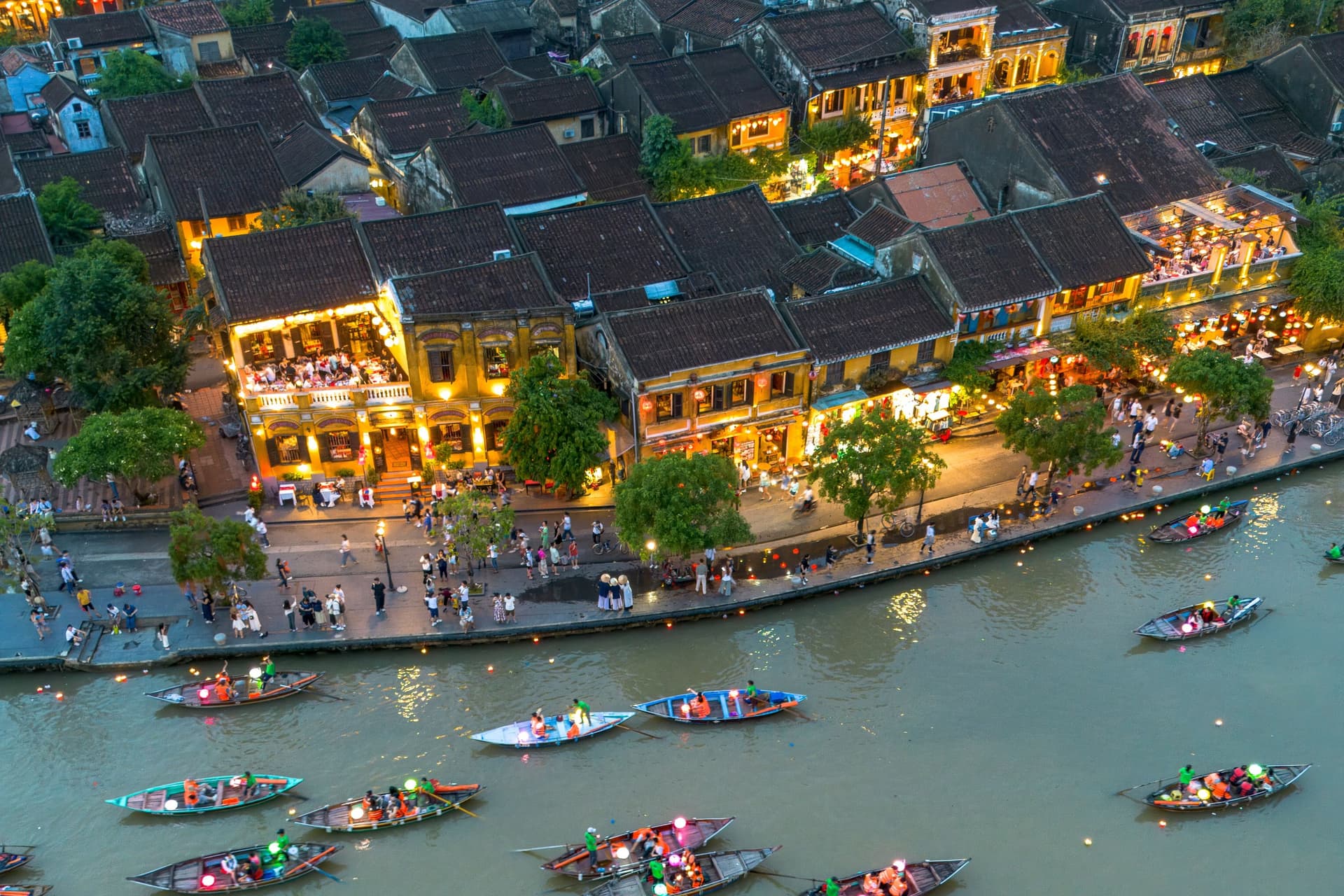
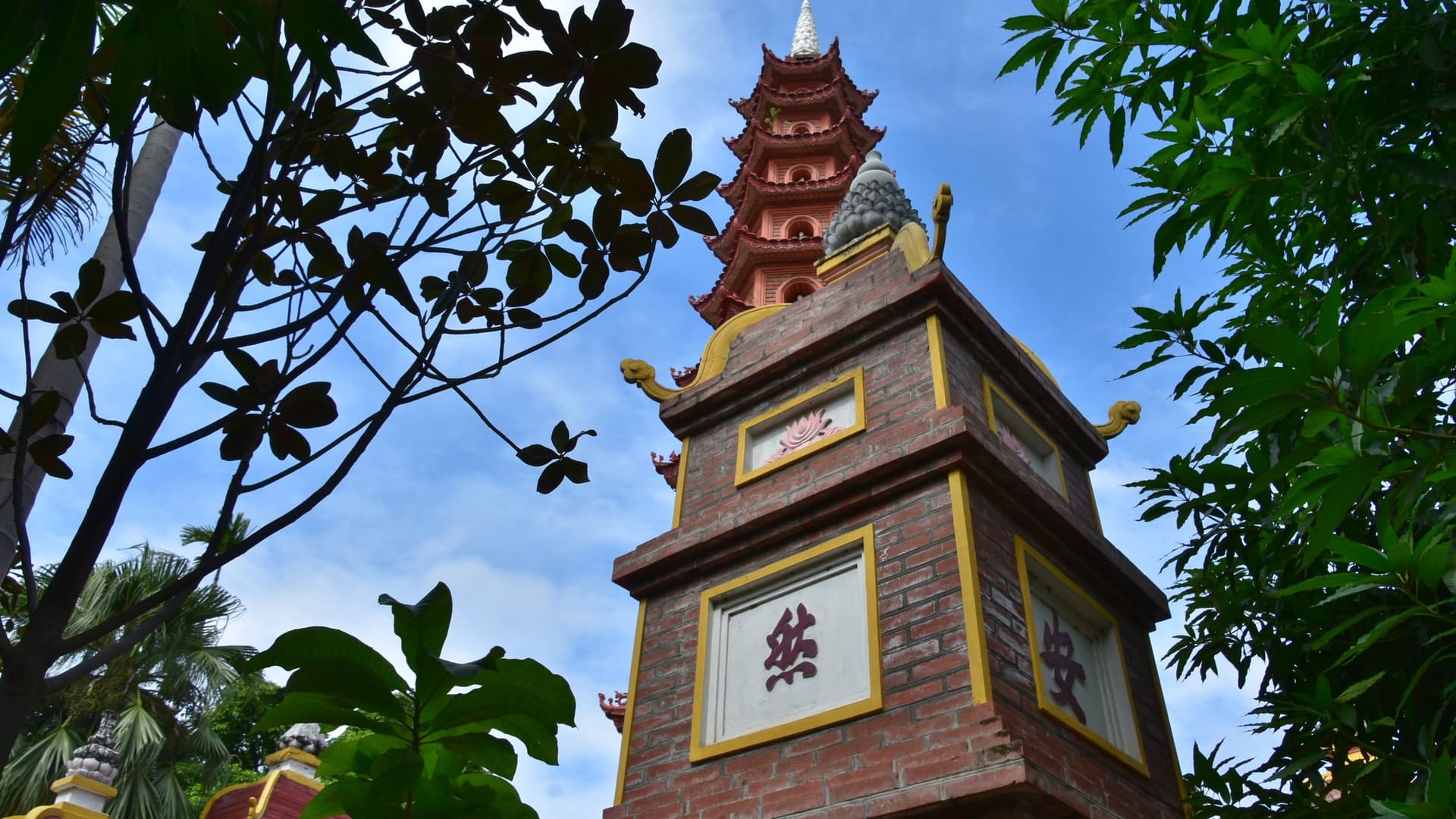
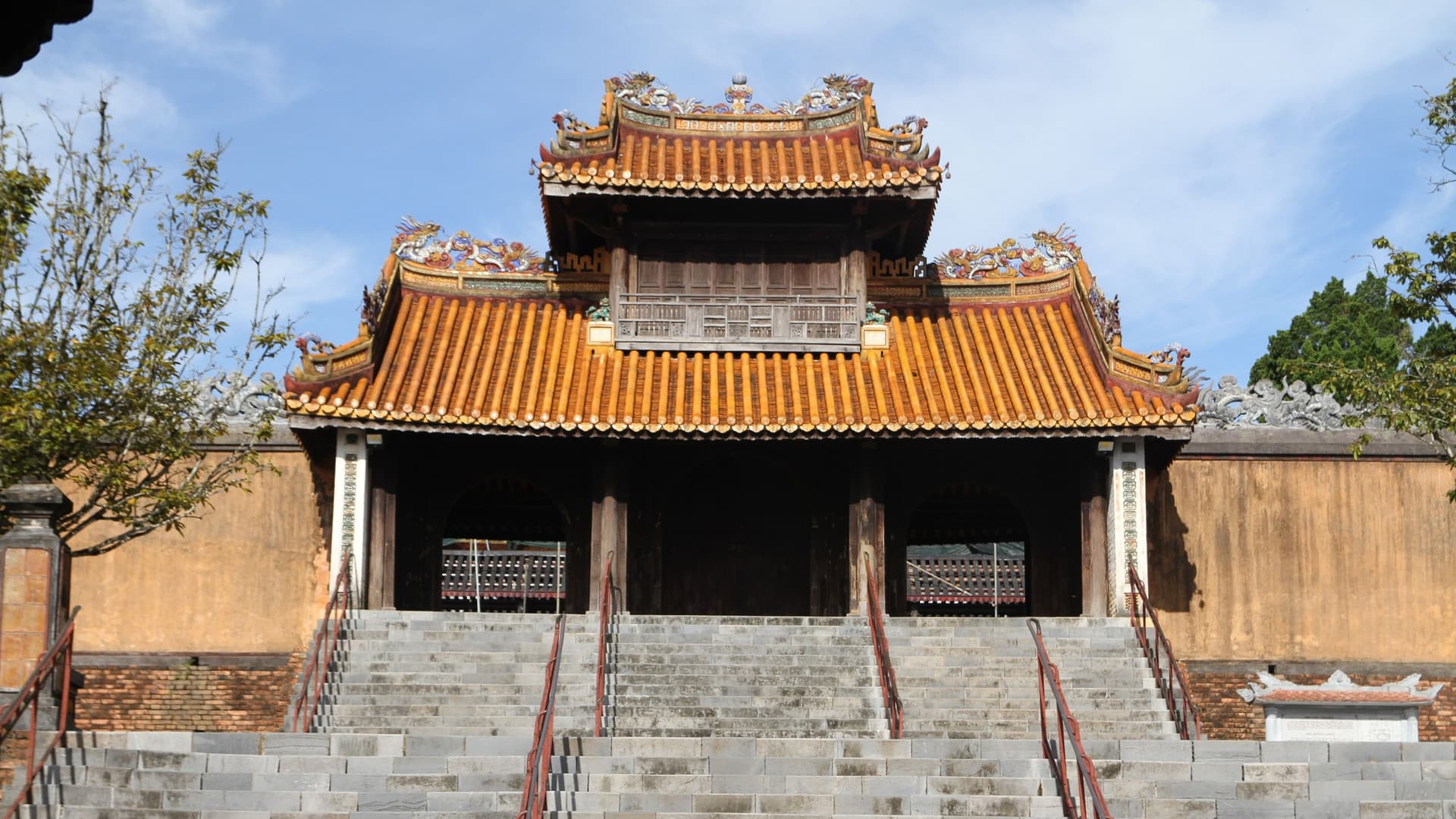
La Ruta del Patrimonio recorre Vietnam de sur a norte en nueve noches y diez días. Las dos noches en Ciudad Ho Chi Minh dan tiempo para la ciudad y los túneles de Cu Chi. Las dos de Hoi An, en el mismo hotel, evitan hacer y deshacer maletas a mitad de la ruta y permiten recorrer a pie el casco antiguo. Hue tiene una sola noche, y la visita se centra en la ciudadela imperial. Hanói suma dos noches en un mismo hotel antes de la bahía, para el Barrio Antiguo y los grandes monumentos, y la ruta cierra con una noche a bordo de un junco en la bahía de Ha Long y una última noche en Hanói antes de los vuelos de salida.
Entre una región y otra hay dos vuelos domésticos, de Ciudad Ho Chi Minh a Da Nang y de Hue a Hanói, y un tramo por carretera de Hoi An a Hue a través del paso de Hai Van. Los días de vuelo y de traslado también consumen tiempo, así que no prometa visitas completas en los dos extremos de un día de viaje. Con una sola noche en Hue, el número de monumentos depende de la hora de llegada, del descanso y de los horarios de apertura.
Estándar de producto frente a nombres de proveedores
Su agencia puede fijar como estándar de producto la ubicación del hotel, la categoría de habitación, el idioma del guía, las comidas y el tamaño máximo del grupo. Los proveedores con nombre, y su disponibilidad, se revisan para cada fecha.
En la ruta de muestra, ese estándar es un hotel urbano de 4 estrellas en el Distrito 1 de Ciudad Ho Chi Minh, un resort boutique al borde del casco antiguo de Hoi An, un hotel patrimonial junto al río Perfume en Hue, un hotel urbano de 4 estrellas al borde del Barrio Antiguo de Hanói y un crucero nocturno en junco por la bahía de Ha Long, más la última noche en Hanói.
Si acepta sustitutos, ponga los criterios por escrito. Un hotel con las mismas estrellas puede no tener la misma ubicación, el mismo acceso para el autobús ni las mismas instalaciones, y un barco distinto puede cambiar la ruta del crucero y sus actividades.
Guías por región
En la ruta de muestra, un guía nacional vietnamita con licencia acompaña a cada grupo de hasta dieciocho pasajeros durante todo el recorrido, con un guía local para el embarque y el programa del crucero en la bahía de Ha Long. Los idiomas de trabajo son español e inglés, y otros se pueden solicitar.
Una serie puede seguir ese modelo o trabajar con guías regionales y relevos planificados. En cualquiera de los dos casos, fije los días de guía y el idioma para el sur, el centro y el norte, quién recibe al grupo en cada vuelo y cómo se transmiten las necesidades del grupo en cada relevo. Un contacto de coordinación no equivale a asistencia las 24 horas ni a un guía disponible en todo momento.
Precio por fecha y por composición del grupo
La cotización de una serie debe indicar la base de pasajeros, la distribución de habitaciones, la moneda, los impuestos y lo que incluye, además de su validez y los plazos de confirmación. Una tarifa calculada para una fecha no vale para todas las temporadas.
Deje por escrito el estado de cada habitación y de cada boleto: una solicitud, una opción con fecha límite o una reserva confirmada. Los pagos y las cancelaciones se rigen por el acuerdo de cada salida.
El marketing, por separado
Si su agencia quiere un fotógrafo, trátelo como una solicitud especial con su propio alcance: días de trabajo, entregables, consentimiento de las personas fotografiadas y derechos de uso. Que una foto se haya tomado durante un viaje no significa que se pueda usar libremente. Las imágenes de esta página ilustran los destinos; no son fotos de una serie.
Para cotizar la serie fecha por fecha, envíe un brief como agencia con las salidas previstas, el tamaño de grupo y el idioma de guía. En cómo trabajamos con agencias de viajes encontrará cómo registrarse para recibir tarifas netas.
Preguntas frecuentes
¿Una serie puede usar el mismo itinerario en todas las salidas?
Puede usar una misma ruta base. Para cada fecha hay que revisar el acceso a los lugares, los horarios, la disponibilidad y la temporada, y ajustar lo que haga falta antes de confirmar.
¿El idioma del guía está garantizado en todas las salidas?
No. El idioma se confirma por región y por fecha en la cotización. La ruta de muestra trabaja en español e inglés, pero eso no asegura un guía en esos idiomas para cada salida.
¿Incluye fotografía profesional?
Solo si se contrata y queda por escrito en el acuerdo, con los entregables y los derechos de uso definidos. Sin ese acuerdo, no forma parte del programa.
¿Se puede extender el circuito fuera de Vietnam?
Sí. Hacia Camboya, con la ruta de muestra Camboya y Vietnam, o hacia Tailandia. Para calcular las noches de un viaje por dos países, consulte cuántos días se necesitan para Tailandia y Vietnam.
¿Pai Dai ya operó esta serie?
No. Es un ejemplo de planificación basado en la Ruta del Patrimonio de Vietnam, una ruta de muestra publicada, para ayudar a su agencia a preparar las especificaciones y las preguntas antes de reservar.
Sobre la autora
Wanwisa Puengsawang
CEO y Fundadora, Pai Dai DMC
Wanwisa Puengsawang (Sally) es la CEO y Fundadora de Pai Dai DMC. Dirige las operaciones terrestres de la empresa en Tailandia y Vietnam, y trabaja directamente con operadores mayoristas, organizadores de MICE y clientes privados.
Más sobre Pai Dai DMCPara agencias de viajes
¿Su cliente viaja a Tailandia o Vietnam?
Cuando recibimos un brief completo, entregamos la cotización con los precios de los servicios a más tardar a la misma hora del siguiente día hábil. Las solicitudes complejas que abarcan varios países o las solicitudes para temporada alta pueden requerir más tiempo; indicamos el nuevo plazo de entrega al confirmar que las hemos recibido.