วางแผนทริปเวียดนามแบบส่วนตัว เมื่อจำนวนคนเปลี่ยนหลังยืนยัน


Alice
ผู้จัดการฝ่ายปฏิบัติการ Pai Dai DMC เวียดนาม
ในทริปส่วนตัว คนเพิ่มหนึ่งคนหลังยืนยันแล้วไม่ได้แปลว่าบวกราคาต่อหัวเพิ่มอีกหนึ่งที่ ห้องพัก ที่นอนบนรถไฟ ห้องพักบนเรือ รถ ตั๋ว และกิจกรรม ต่างมีกติกาของตัวเอง การเปลี่ยนที่ลงตัวกับส่วนหนึ่งอาจทำให้อีกส่วนสะดุด
บทความนี้เป็นตัวอย่างการวางแผน ไม่ใช่รายงานทริปที่จัดให้ลูกค้ารายใด เนื้อหาอิงเส้นทางตัวอย่างสองเส้นที่เราเผยแพร่ไว้ และไม่ได้รับประกันว่าการเปลี่ยนแปลงช่วงท้ายจะทำได้ทุกครั้ง ส่วนซัพพลายเออร์ วันเดินทาง บริการที่ว่าง และราคา ยืนยันกันในใบเสนอราคา
เริ่มจากเส้นทางฐาน
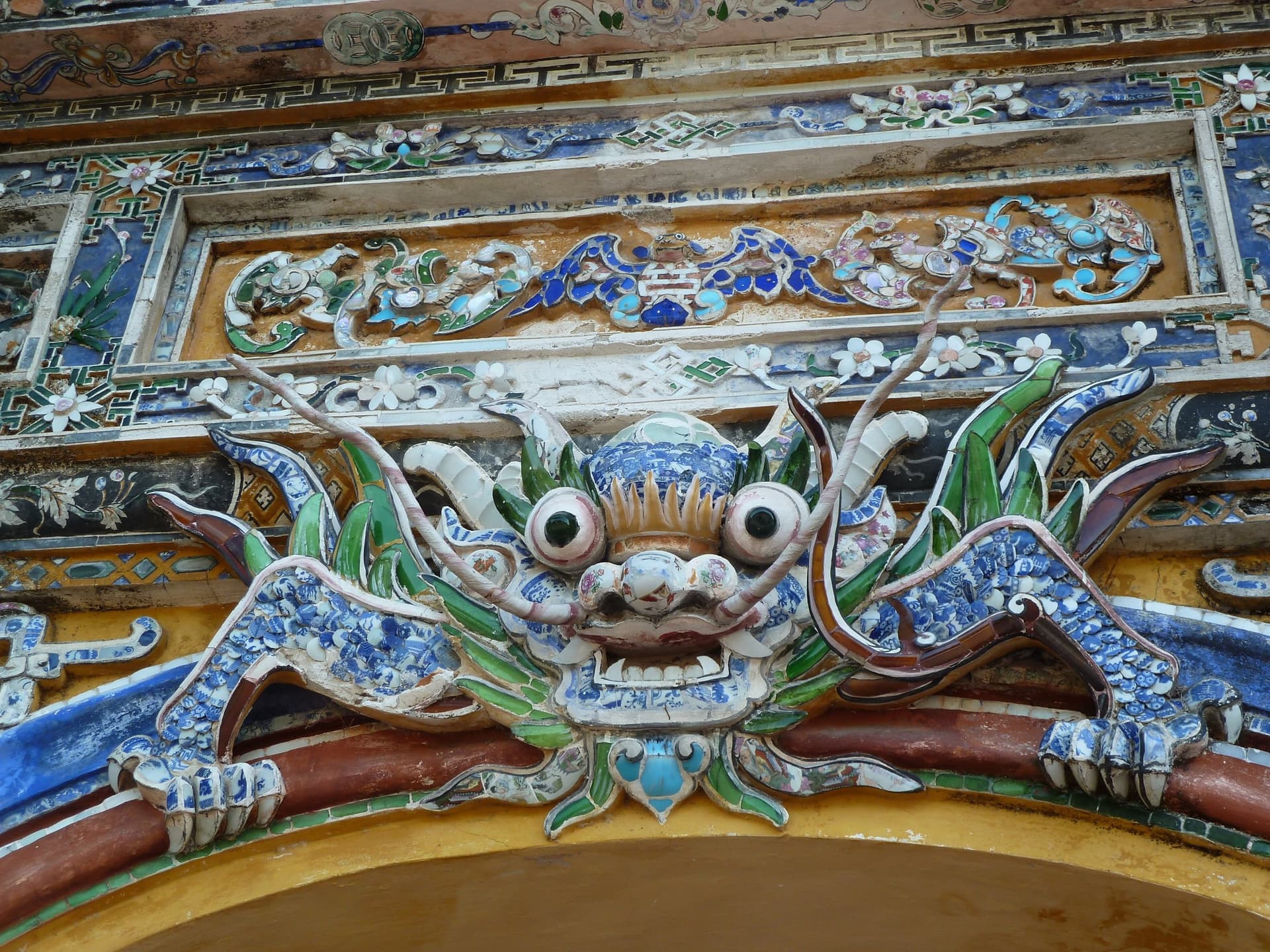
เส้นทางตัวอย่างทั้งสองเส้นไล่จากใต้ขึ้นเหนือ จากไซ่ง่อนผ่านภาคกลางไปฮานอยและอ่าวฮาลอง เส้นทางมรดกเวียดนาม 10 วัน 9 คืน พักนครโฮจิมินห์สองคืน ฮอยอันสองคืน เว้หนึ่งคืน ฮานอยสองคืน เรือสำเภาค้างคืนในอ่าวฮาลองหนึ่งคืน และกลับมาพักฮานอยอีกหนึ่งคืน ส่วนเวียดนามเอ็กซ์เพรส 9 วัน 8 คืน ไม่แวะเว้ ทั้งสองเส้นบินจากนครโฮจิมินห์ไปดานัง จากนั้นเส้นทางมรดกข้ามจากฮอยอันไปเว้ทางถนนผ่านช่องเขาไห่เวิน แล้วบินจากเว้ไปฮานอย ส่วนเอ็กซ์เพรสบินจากดานังไปฮานอย
คืนบนเรือสำเภาในอ่าวฮาลองมีในทั้งสองเส้น ส่วนรถไฟตู้นอนไม่มีในเส้นไหนเลย ถ้ากรุ๊ปขอ ให้ชั่งเวลาออกและเวลาถึง การขึ้นลงที่นอน กระเป๋า สภาพของลูกทัวร์ตอนถึง และคืนโรงแรมที่รถไฟเข้ามาแทน ห้องตู้นอนหนึ่งห้องมีจำนวนที่นอนตายตัว คนเพิ่มหนึ่งคนจึงอาจหมายถึงต้องเพิ่มอีกห้อง หรือกรุ๊ปต้องแยกห้องกัน
คนเพิ่มหนึ่งคน ต้องเช็กอะไรใหม่บ้าง
ก่อนตอบรับ ให้เช็กใหม่ทุกส่วนที่คนใหม่เข้าไปเกี่ยวข้อง
| ส่วนประกอบ | สิ่งที่ต้องเช็กใหม่ |
|---|---|
| ห้องพัก | ทวิน ดับเบิล พักเดี่ยว หรือเตียงเสริม และห้องประเภทนั้นยังว่างอยู่หรือไม่ |
| ที่นอนบนรถไฟและห้องพักบนเรือ | ยังว่างหรือไม่ และคนใหม่ได้อยู่ใกล้กรุ๊ปหรือไม่ |
| รถ | ที่นั่ง ที่วางกระเป๋า และต้องมีเจ้าหน้าที่ดูแลเพิ่มหรือไม่ |
| เที่ยวบิน | ที่นั่ง ค่าตั๋ว น้ำหนักกระเป๋า และเงื่อนไขตั๋ว |
| กิจกรรม | จำนวนที่รับได้ ขนาดกรุ๊ปสูงสุด และภาษาไกด์ |
| ราคา | ยอดรวมใหม่ ฐานคิดราคาต่อคน และกำหนดชำระเงิน |
ในสองเส้นทางนี้ ให้เริ่มจากคืนบนเรือสำเภา สำหรับการเดินทางช่วงธันวาคมและมกราคม ห้องพักแบบกลุ่มบนเรือสำเภาฮาลองชั้นดีและห้องในโรงแรมบูทีกที่ฮอยอันเต็มเร็วกว่าช่วงอื่นของปี ห้องที่หาได้สำหรับคนเพิ่มอาจไม่ได้อยู่ติดกับห้องอื่นของกรุ๊ป เที่ยวบินภายในประเทศคือตั๋วเพิ่มที่มีค่าตั๋วและกติกากระเป๋าของตัวเอง และกิจกรรมอย่างคลาสทำอาหารที่ฮอยอันก็มีจำนวนรับของตัวเอง
เช็กบรรทัดราคาสองรอบ ค่าใช้จ่ายที่หารกันอย่างรถและไกด์อาจเฉลี่ยลงเมื่อมีคนเพิ่ม แต่ห้องพักเดี่ยวหรือห้องบนเรือที่เพิ่มขึ้นก็มีค่าใช้จ่ายของมันเอง ราคาต่อคนจึงขยับได้ทั้งขึ้นและลง ตกลงยอดรวมใหม่ให้เรียบร้อยก่อนลูกค้าจะได้ยินราคาใหม่
ได้คำยืนยันจากซัพพลายเออร์ก่อน แล้วค่อยบอกลูกค้าว่ารับคนเพิ่มได้ ถ้าตัวเลือกเดิมไม่ว่าง เอเจนซีต้องได้รู้ทางเลือกและค่าใช้จ่ายของแต่ละทางก่อนจะมีการรับปากกับผู้เดินทางคนใด
ไกด์ข้ามสามภูมิภาค
ในเส้นทางตัวอย่างทั้งสองเส้น ไกด์ระดับชาติชาวเวียดนามที่มีใบอนุญาตหนึ่งคนดูแลตลอดเส้นทาง มีผู้เชี่ยวชาญท้องถิ่นเสริมสำหรับการบรรยายก่อนล่องเรือในอ่าวฮาลอง ภาษาทำงานคือสเปนและอังกฤษ ภาษาอื่นตามคำขอ
ทริปส่วนตัวไม่ได้แปลว่าจะหาไกด์ได้ทุกภาษา ถ้าลูกค้าของคุณต้องการไกด์พูดไทยหรือภาษาอื่น ให้ระบุตั้งแต่บรีฟแรก และให้ยืนยันแยกตามภูมิภาคและวันที่ ถ้าไกด์เปลี่ยนระหว่างภูมิภาค ใบเสนอราคาควรบอกว่าใครส่งต่อให้ใคร และความต้องการของกรุ๊ปส่งต่อจากไกด์คนหนึ่งไปอีกคนอย่างไร ทั้งเรื่องอาหาร ข้อจำกัดด้านการเคลื่อนไหว และลูกทัวร์ที่เพิ่งเข้ามาทีหลัง
บันทึกฉบับที่ทุกฝ่ายใช้
เมื่อรับการเปลี่ยนแปลงแล้ว โปรแกรม รายชื่อผู้เดินทาง รายการจัดห้อง ราคา และคำสั่งถึงซัพพลายเออร์ ต้องตรงกันทั้งหมด และทุกฝ่ายทำงานจากฉบับเดียวกัน ใส่วันที่ทุกฉบับ จะได้ไม่มีรายการจัดห้องฉบับเก่าหลุดไปถึงโรงแรม ถ้ายังมีบริการใดรอคำตอบอยู่ ให้จดไว้ด้วย อย่าเพิ่งถือว่าการเปลี่ยนทั้งหมดเสร็จแล้วเพียงเพราะโรงแรมแห่งหนึ่งตอบรับ
ถ้าต้องการให้เราคิดราคาเส้นทางใดเส้นทางหนึ่งสำหรับกรุ๊ปและวันเดินทางของคุณ ส่งบรีฟสำหรับเอเจนซี พร้อมจำนวนผู้เดินทาง การจัดห้อง และภาษาไกด์ที่ต้องการ ส่วนการลงทะเบียนเพื่อรับราคาเน็ต ซึ่งคือราคาซื้อสำหรับคู่ค้า อธิบายไว้ในหน้าวิธีที่เราทำงานกับเอเจนซีท่องเที่ยว
คำถามที่พบบ่อย
เพิ่มผู้เดินทางหลังยืนยันแล้วได้หรือไม่
ขอได้ แต่จะทำได้หรือไม่ขึ้นกับบริการที่ยังว่าง เงื่อนไขของซัพพลายเออร์ ค่าใช้จ่าย และการอนุมัติของเอเจนซี ไม่มีการรับประกันว่าจะได้ห้องประเภทเดียวกันหรือราคาเดียวกับคนอื่นในกรุ๊ป
ไกด์คนเดียวดูแลทั้งทริปหรือไม่
เฉพาะเมื่อตกลงกันไว้และไกด์ว่าง เส้นทางตัวอย่างใช้ไกด์ระดับชาติหนึ่งคนตลอดเส้นทาง แต่ใบเสนอราคาสำหรับวันเดินทางของคุณจะแสดงไกด์และภาษาแยกตามภูมิภาค
คำว่า "ส่วนตัว" ในที่นี้หมายถึงอะไร
หมายถึงบริการที่เสนอราคาแบบส่วนตัวจัดขึ้นสำหรับกรุ๊ปของคุณ ตามขอบเขตที่ใบเสนอราคากำหนด ห้องพักส่วนตัวบนเรือสำเภาหรือบนรถไฟไม่ได้แปลว่าเหมาทั้งลำหรือทั้งขบวน และอาจมีผู้โดยสารอื่นอยู่ด้วย
ต่อเส้นทางออกนอกเวียดนามได้หรือไม่
ได้ เส้นทางประเทศกัมพูชาและประเทศเวียดนาม เพิ่มเสียมเรียบและพนมเปญสี่คืนก่อนเข้าช่วงเวียดนาม หรือจะจับคู่กับขาไทยที่คุณจัดเองก็ได้ บทความทริปไทยและเวียดนาม ต้องใช้เวลากี่วันช่วยแบ่งจำนวนคืน ส่วนผู้ให้บริการและการส่งต่อในช่วงกัมพูชายืนยันในใบเสนอราคา
นี่เป็นทริปที่ Pai Dai เคยจัดหรือไม่
ไม่ใช่ บทความนี้เป็นตัวอย่างการวางแผนที่อิงเส้นทางตัวอย่างสองเส้นที่เราเผยแพร่ไว้ และไม่ได้เล่าถึงกรุ๊ปหรือการเปลี่ยนแปลงใดที่เกิดขึ้นจริง ใช้เพื่อตัดสินว่าต้องยืนยันอะไรบ้างก่อนรับการเปลี่ยนแปลงให้ลูกค้า
เกี่ยวกับผู้เขียน
Alice
ผู้จัดการฝ่ายปฏิบัติการ Pai Dai DMC เวียดนาม
Alice เป็นผู้จัดการฝ่ายปฏิบัติการของ Pai Dai DMC ในเวียดนาม ดูแลความสัมพันธ์กับซัพพลายเออร์ทั้งโรงแรม ร้านอาหาร และไกด์ พร้อมทั้งดูแลทีมปฏิบัติการระหว่างทัวร์
เพิ่มเติมเกี่ยวกับ Pai Dai DMCสำหรับตัวแทนท่องเที่ยว
กำลังวางโปรแกรมไทยหรือเวียดนามให้ลูกค้าอยู่ไหม
เมื่อได้รับบรีฟที่มีข้อมูลครบถ้วน เราจะส่งใบเสนอราคาพร้อมค่าบริการภายในเวลาเดียวกันของวันทำการถัดไป คำขอสำหรับโปรแกรมหลายประเทศที่ซับซ้อน หรือคำขอสำหรับการเดินทางช่วงไฮซีซัน อาจใช้เวลานานกว่านั้น โดยเราจะแจ้งกำหนดส่งใหม่เมื่อยืนยันว่าได้รับคำขอแล้ว