Best Time to Visit Vietnam (North, Central, and South)


Wanwisa Puengsawang
CEO, Pai Dai DMC
April, if the trip covers the whole country. The north has warmed up and cleared, the central coast is dry, and the south has not yet turned wet.
Pick almost any other month and one region is having a bad time. In November, Hanoi is crisp and blue while Hoi An is under its heaviest rain. In July, Hoi An's beaches are at their best while Ha Long Bay sits in storm season. Vietnam is about 1,650 kilometres long, and that is the whole story: the right month depends on which regions are in the trip. Read this alongside how many days you need for Thailand and Vietnam, and browse our destinations and experiences as you plan.
Three regions, three calendars
The north has four real seasons, including a cool winter that surprises people who packed for the tropics. The centre is dry and hot through spring and summer, then takes a long wet season from autumn into winter. The south has two seasons, dry and wet, and stays warm all year. Phu Quoc, off the southern coast, keeps its own timetable again.
So planning Vietnam is mostly a question of order: which region goes first, and which one gets the flexible days. The table is a planning guide, not a guarantee.
| Region | Best months | Watch out for |
|---|---|---|
| North (Hanoi, Ha Long, Ninh Binh, Sapa) | Apr to Jun, Sep to Nov | Cold, misty winters Dec to Mar; storms Jun to Sep |
| Central (Hue, Da Nang, Hoi An) | Mar to Aug | Rain Sep to Jan (Hoi An) or Feb (Hue); floods most likely Sep to Nov |
| South (Ho Chi Minh City, Mekong Delta) | Dec to Apr | Afternoon downpours, May to Nov |
| Phu Quoc | Oct to Jun | Storms Jul to Sep, when sea crossings can be rough |
Northern Vietnam
The north takes in Hanoi, Ha Long Bay, Ninh Binh and the mountains around Sapa. It has two good windows. Spring, from April to June, is warm and clear. Autumn, from September to November, is cool and sunny, and in the hills the rice terraces turn gold around harvest. Autumn is the better of the two.
Winter, from December to March, catches people out. Hanoi can drop to around 10°C at night, skies are often low and grey, and a fine mist settles over Ha Long Bay, softening the limestone into outlines. Sapa is chilly and can see snow in January. None of that stops a trip, but clients expecting tropical heat should pack layers, and a bay cruise in February is about atmosphere, not long views.
Summer, from June to August, is hot, humid and wet, and tropical storms can cancel Ha Long cruises. Storms can still reach the Gulf of Tonkin into October, so a bay night early in the autumn needs a flexible day around it. Our eight-day Northern Vietnam and Sapa Highlands circuit covers Hanoi, Ha Long Bay, Ninh Binh and Sapa, and the Vietnam express route and Vietnam heritage route both finish in the north.

Central Vietnam
Hue, Da Nang and Hoi An are the reason most full-country routes need careful dating. From March to August the central coast is dry and warm, and by June and July it is hot beach weather. Then the wet season arrives, and it is the longest in the country.
It starts in September, when tropical storms begin to hit the central coast, and the first three months are the stormiest: flooding is most likely from September to November. After that the rain eases but lingers, with cool, grey days until about January in Hoi An and into February in Hue and Da Nang. Hoi An's old town sits low beside the river and can flood at street level in those weeks, though not every year.
The practical rule: put the central leg between March and August if you can. A December stay in Hoi An is possible, and the town is lovely in the cool, but sell it with an umbrella and a plan for indoor days.

The Hai Van Pass in context
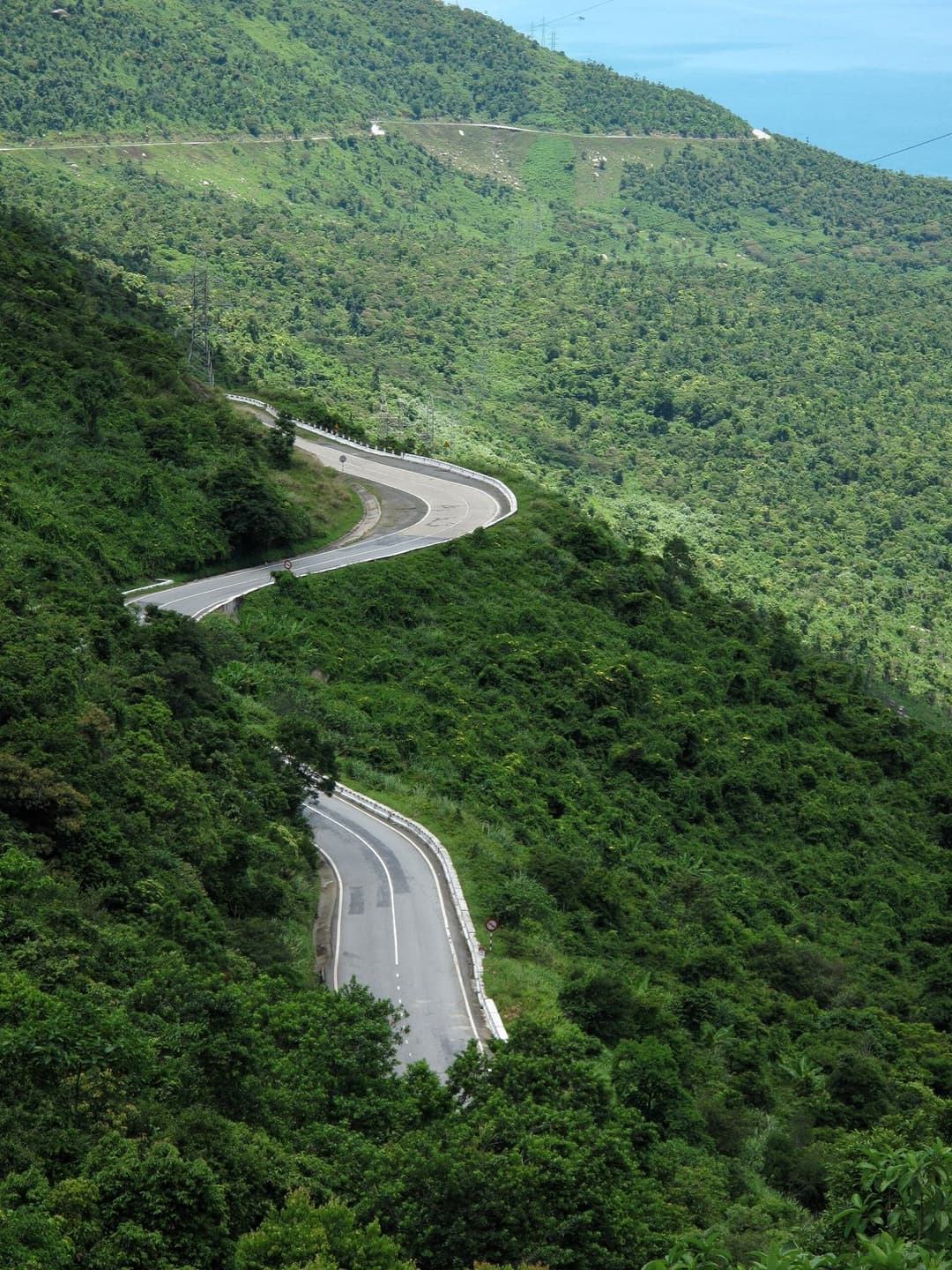
The mountain road between Hue and Da Nang shows the central coast at its most dramatic. On a clear day in the dry season it is one of the best drives in Vietnam, with the sea opening below each bend. In a heavy autumn downpour the views close in completely, which is worth knowing before you sell it as a highlight.
Southern Vietnam and Phu Quoc
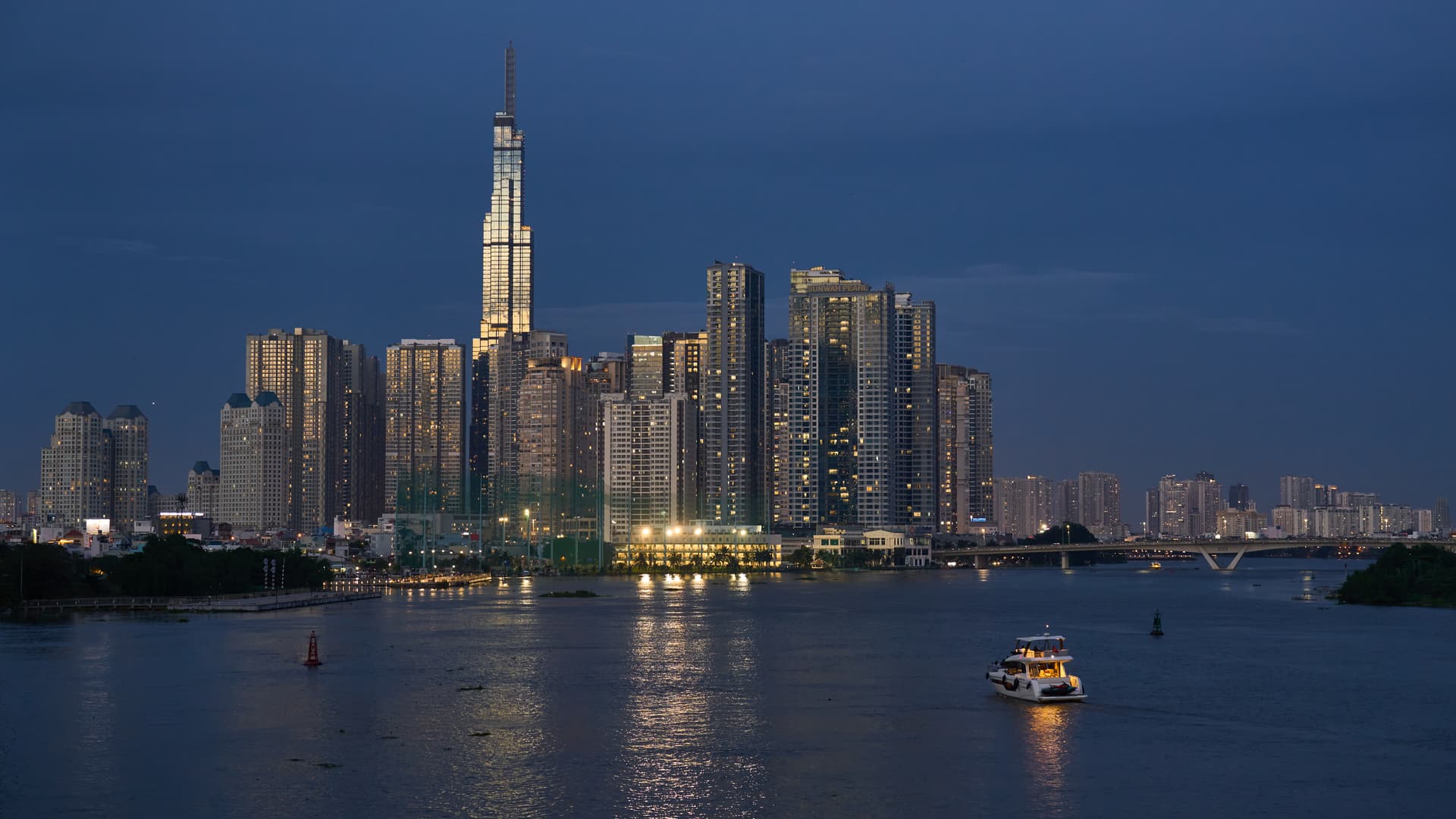
Ho Chi Minh City and the Mekong Delta are the easiest part of Vietnam to time. The dry season runs from December to April, with sun and lower humidity; March and April are the hottest months. The wet season, from May to November, brings a dependable afternoon downpour that usually lasts a few hours and then clears. Mornings stay open for sightseeing and river trips, which is why the south so often becomes the flexible end of a route.
Phu Quoc is the exception people miss. The island's rough season is July to September, when storms roll through, the beaches are less inviting and sea crossings can be unsafe. From October to June it is clear and hot, so it can close a trip in October or November, when the mainland south is still wet. Nha Trang, further up the coast, has the shortest rainy season of the major beaches, roughly September to December.
Planning a north-to-south trip around the seasons
A trip that runs the length of Vietnam is a compromise, so choose which compromise.
- April is the safest all-region month. Late March and early May work almost as well, with a greyer north at one end and more heat at the other.
- September to November gives the best north of the year but puts the centre in its wettest, most flood-prone weeks. Fly over it, keep it short, or swap Hoi An for more time in the north and south.
- December to February is high season, with a dry south and a cool north, but a wet centre. Many routes take it anyway; give the central stay indoor options and a spare half-day.
Order matters as much as month. Time the central coast first, because its window is the tightest. Use the south as the buffer, because it is workable most of the year. For a route that adds Cambodia, our combined Cambodia and Vietnam journey shows how the extra leg fits in.
When high season and Tet change the plan
High season runs broadly from December to April, peaking from Christmas to the Lunar New Year. The best hotels, guides and cruise cabins fill first, so confirm space early for those weeks. Tet, the Lunar New Year, falls on 6 February 2027. The official public holiday runs from 4 to 10 February, many family businesses close, and domestic travel surges in the days before and after. Our guide to Vietnam during Tet 2027 covers what changes for a group.
How we plan Vietnam by season
We plan the weather into the itinerary from the start. That means placing the central coast inside its dry months, timing the north for spring or autumn, and keeping the south as the flexible end. When a client's dates are fixed, we say plainly which leg will carry the weather risk and suggest how to soften it. When dates are open, we point to the weeks that suit the regions they most want to see.
If the trip also crosses into Thailand, the best time to visit Thailand uses the same logic, and the entry and visa requirements are worth checking before dates are locked. Then send us a wish list with the months you are weighing, and we will tell you which leg carries the weather.
FAQ
When is the best time to visit Vietnam?
For a trip that covers the whole country, April, with late March and early May close behind. For one region the answer changes: spring or autumn for the north, March to August for the central coast, and December to April for the south.
What is the best time to visit Ha Long Bay?
April to June and September to November give the clearest skies and calmest conditions. From December to March the bay is cool and often misty, beautiful but without long views. From June to September, and sometimes into October, tropical storms can cancel cruises, so keep a flexible day around the cruise.
When does it rain in Hoi An and Hue?
The central coast's wet season starts in September and runs until about January in Hoi An and February in Hue. The heaviest rain and the highest flood risk come from September to November. From March to August both towns are dry and warm.
Is Vietnam cold in winter?
The north is. From December to March, Hanoi can fall to around 10°C at night, skies are often grey, and Sapa can see snow in January. The centre is cool and wet in winter, while the south stays warm and dry, so a winter route needs very different packing at each end.
When should I visit Phu Quoc?
From October to June, when the island is clear and hot. Avoid July to September, when storms roll through and sea crossings can be unsafe. Because its calendar differs from the mainland south, Phu Quoc can close a trip in October or November, when Ho Chi Minh City is still wet.
Does it rain all day in Vietnam's wet season?
Usually not. In Ho Chi Minh City and the Mekong Delta the rain tends to come as a heavy afternoon downpour that clears after a few hours. The central coast is different: its autumn rain can last for days and bring floods.
When is high season in Vietnam?
Broadly December to April, peaking from Christmas to the Lunar New Year. Tet falls on 6 February 2027, with the public holiday from 4 to 10 February. Book the strongest hotels, guides and cruise cabins early for any trip in that window.
Official sources
About the author
Wanwisa Puengsawang
CEO, Pai Dai DMC
Wanwisa Puengsawang, known as Sally, is the CEO of Pai Dai DMC. She leads the company's ground operations across Thailand and Vietnam, working directly with wholesale operators, MICE planners, and private clients.
More about Pai Dai DMCFor travel agencies
Planning Thailand or Vietnam for a client?
After we receive a complete brief, we provide a costed quote by the same time on the next business day. Complex multi-country or peak-season requests may take longer; we state the revised deadline when we acknowledge the request.