When to Avoid Thailand and Vietnam: A Month-by-Month Risk Guide


Wanwisa Puengsawang
CEO, Pai Dai DMC
There is no single bad month to visit Thailand or Vietnam. There are specific places you should not book in specific weeks. Northern Thailand has a smoke season. The Andaman and Gulf island coasts are wet at opposite times. Central Vietnam takes a long autumn wet season with a flood risk, and the seas around Ha Long Bay carry a summer storm risk. None of it makes a trip impossible. It makes the routing matter. This is the companion to our best time to visit Thailand and best time to visit Vietnam references, read from the other end, so you can keep a group out of the few windows that disappoint. Check it alongside the current entry and visa requirements before you fix dates.
The principle: knowing what not to book
The risk lies in a handful of region-and-month combinations where the place itself underperforms, closes, or floods. A specialist does not steer a client away from a whole country for a season. We steer them away from the wrong coast in May, the wrong hill town in March, the wrong heritage city in November. The rest of the trip stays where it should be.
Northern Thailand: the smoke season, roughly February to April
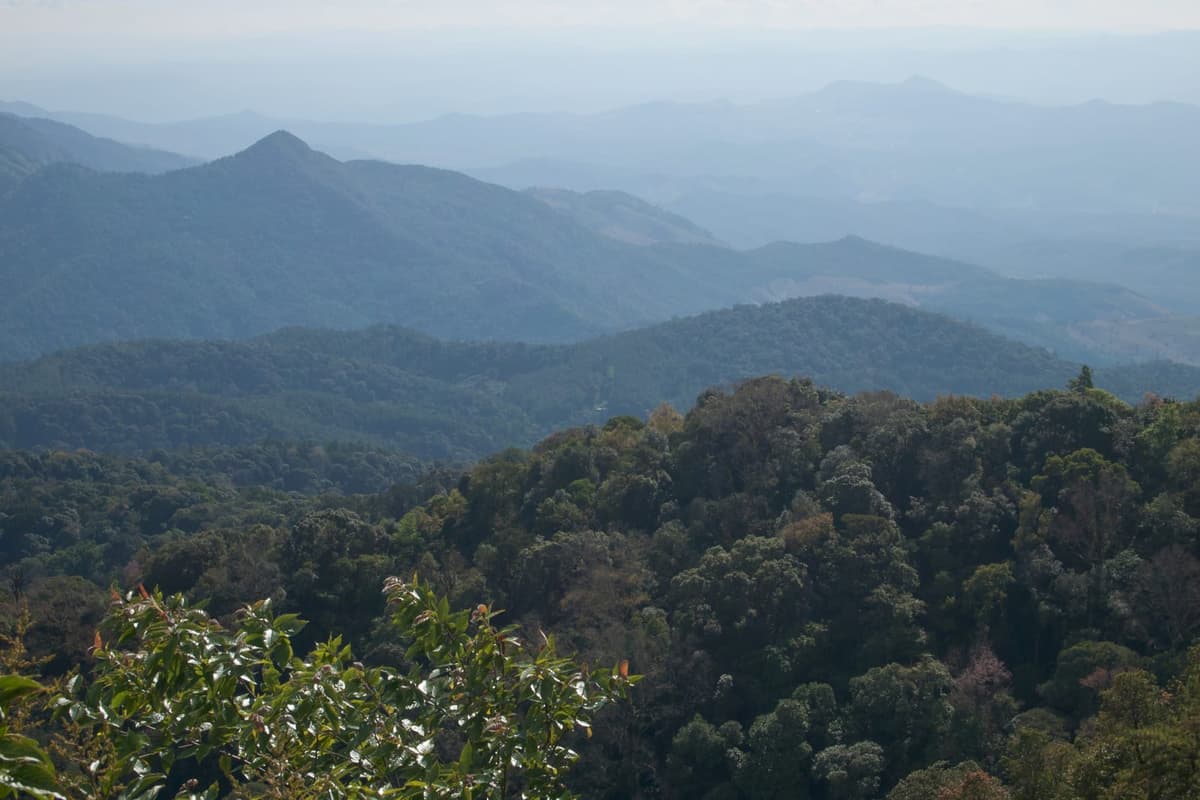
The single most important thing to plan around in the north is the burning season. From roughly February to April, and usually worst in March, agricultural and forest burning across northern Thailand and the wider region combines with still air. Air quality drops sharply across Chiang Mai, Chiang Rai, Pai, and the surrounding hills. In late March 2026 IQAir put Chiang Mai among the ten most polluted cities in the world. The skies turn hazy, mountain views vanish, and the haze matters for anyone with respiratory sensitivity, for young children, and for outdoor-heavy itineraries. This is not a reason to cancel the north; it is a reason to time it. We steer air-quality-sensitive travellers and trekking-led programmes to the cool season from November to January or the green season from June to October, when the hills are clear and, in the rains, at their greenest.
Thailand's islands: book the right coast, not the right month
Thailand's islands are sellable for most of the year, provided you match the coast to the date, and the expensive mistake is booking the wrong one. The Andaman coast in the west, including Phuket, Krabi, Phi Phi, and Khao Lak, runs on the southwest monsoon and is at its wettest and roughest from about May to October. During those months the Similan and Surin marine national parks, the region's best diving and snorkelling, close to visitors entirely, roughly from mid-May to mid-October. The Gulf coast in the east, including Koh Samui, Koh Phangan, and Koh Tao, runs later and stays drier through the middle of the year, taking its heaviest rain around October to December. The practical rule is simple: for a May-to-September beach stay, lean Gulf, home to our Koh Samui wellness retreat; for a November-to-April one, lean Andaman, where our Bangkok and southern islands programme finishes; and never assume the two coasts share a season.
Central Vietnam: the Hue and Hoi An wet season, September to February
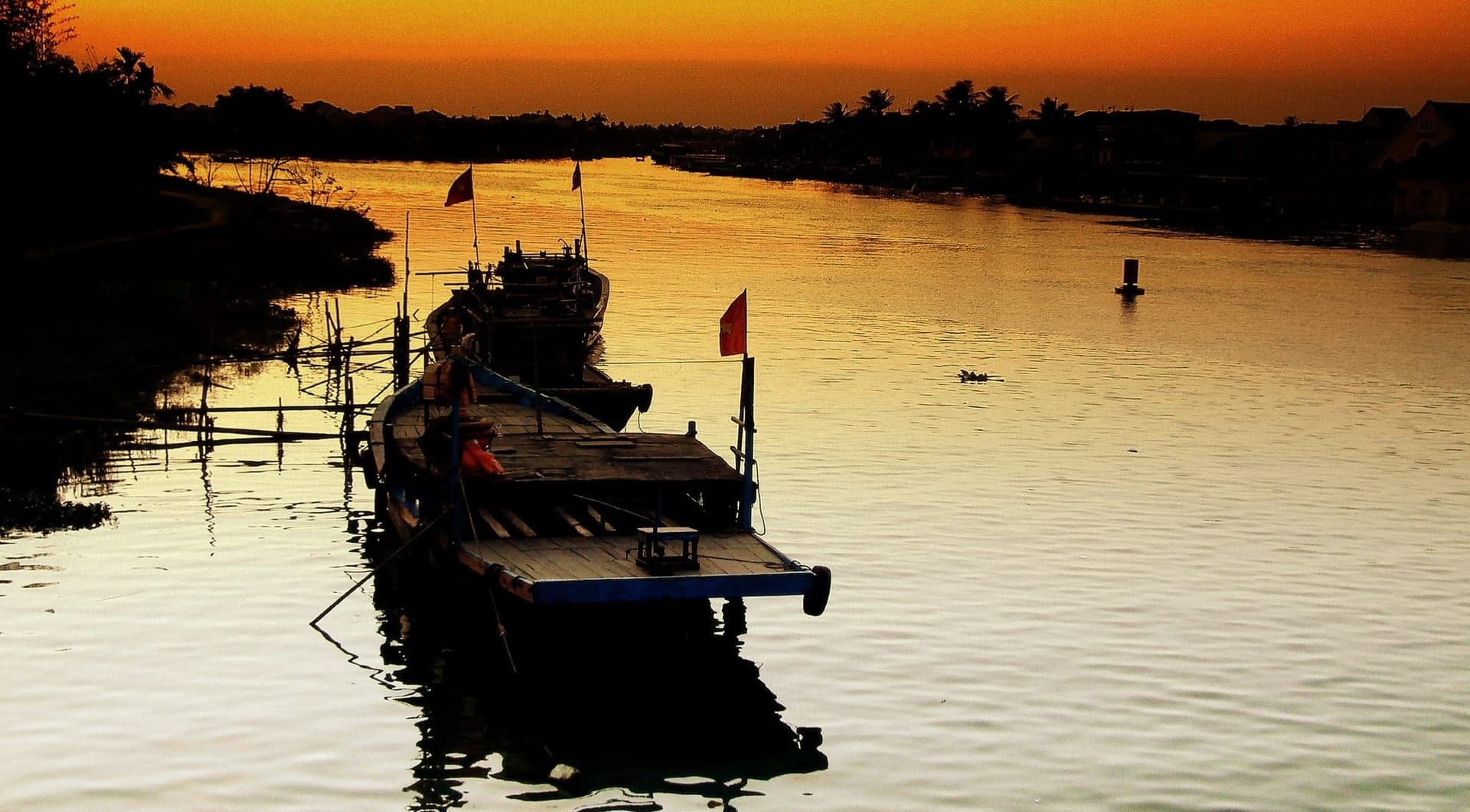
Central Vietnam is where the country's seasonal risk is most concentrated, and it is the leg buyers most often get wrong. The coast around Hue, Da Nang, and Hoi An has the longest wet season in the country. Tropical storms start to arrive in September, and the rain runs until about January around Hoi An and into February around Hue, with cool, grey days. Flooding is most likely from September to November, when sustained downpours raise the rivers. Hoi An's UNESCO old town sits low beside the river and can flood at street level in those weeks, though not every year. In a bad year there are boats in the lanes. September to November is not the time to anchor a heritage stay in Hoi An or a beach extension nearby; December and January are wet but calmer, and workable with indoor options. We move central Vietnam earlier or later in the calendar, or weight the trip toward the north and south, when a client's dates fall into that window.
Ha Long Bay and northern Vietnam: the storm months, about June to September
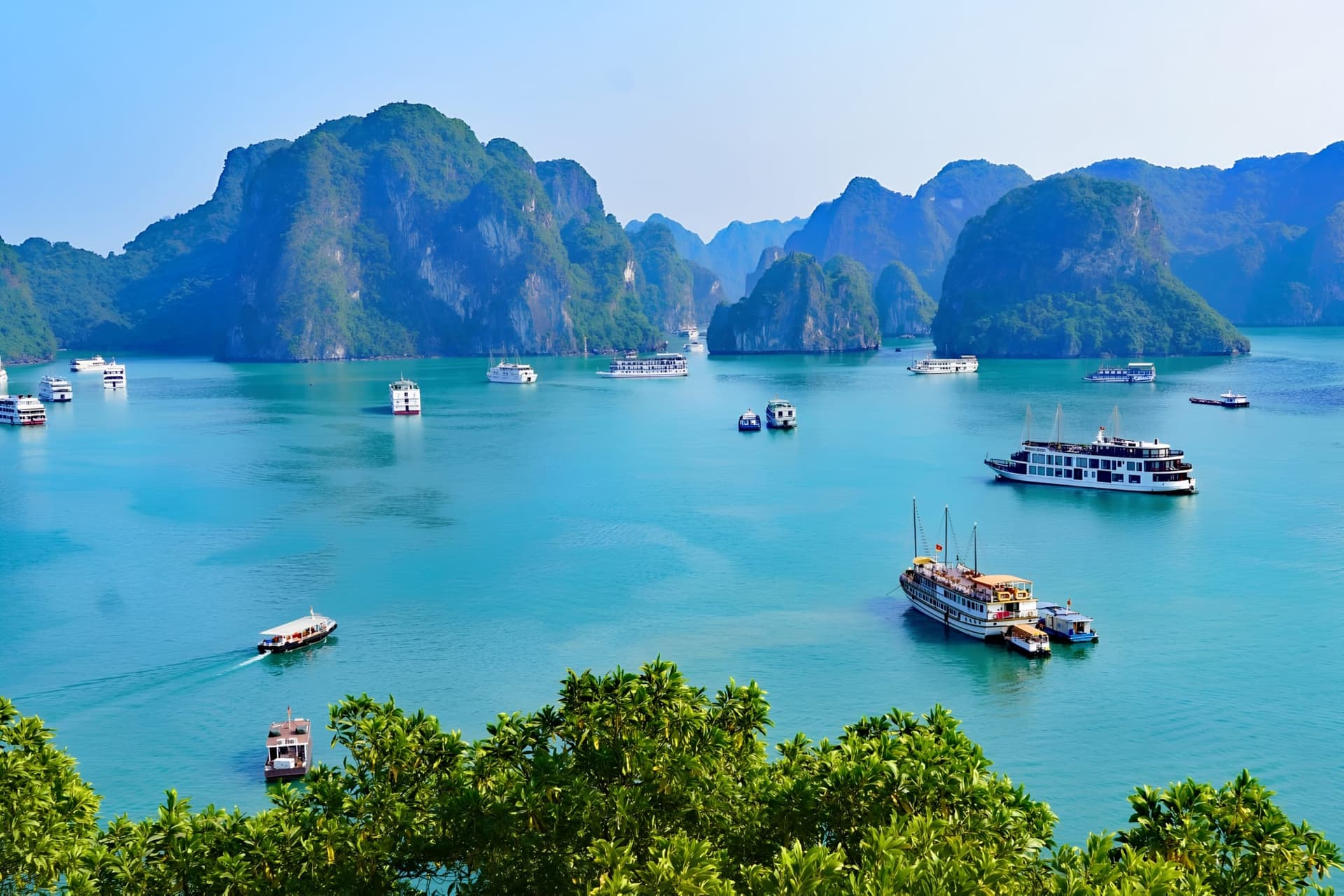
The Gulf of Tonkin carries a storm risk through the summer, roughly June to September, and storms can reach into October. The risk falls on the one experience clients most want there: the overnight Ha Long and Lan Ha Bay cruises. When a storm system moves in, the port authority can suspend cruise departures on safety grounds, sometimes at short notice, which is the kind of disruption a fixed itinerary cannot absorb gracefully. The bay is still very much in season across summer, and most departures sail; the point is to build in a contingency, not to avoid the dates outright. The other northern caveat sits at the opposite end of the year: from late December to March the bay is cool, cloudy and often misty, softening the famous views into outlines. We hold a flexible day around a summer cruise and set expectations on winter visibility.
The far north of Vietnam: Sapa, Ha Giang, and the mountain seasons
The mountains of the far north, including Sapa and the Ha Giang loop, run on their own calendar and reward precise timing. The best windows are September to November, when the rice terraces turn gold for the harvest and the air is clear, and March to May, when the new rice is a vivid green. Both suit our Northern Vietnam and Sapa Highlands circuit. Two periods need planning around. The first is deep winter, December to February, when cold and persistent fog can obscure the very views people come for, and the highest passes turn cold. The second is the peak of the summer rains, June to August, when heavy downpours raise the risk of landslides and washed-out mountain roads on the loop. For motorbike and jeep itineraries in particular, the road conditions in the wettest weeks are a safety consideration as well as a comfort one, so we time the far north to the shoulder months on either side.
Thailand and Vietnam, month by month: what to avoid
The table is a planning guide, not a guarantee, since exact dates shift year to year. Treat it as the short list of region-and-month combinations to route around, while the rest of each country stays open.
| Region | Avoid roughly | Why | Better window |
|---|---|---|---|
| Northern Thailand (Chiang Mai, Chiang Rai) | Feb to Apr, worst in Mar | Burning-season haze, poor air quality, lost mountain views | Nov to Jan, or Jun to Oct |
| Andaman coast (Phuket, Krabi, Khao Lak) | May to Oct | Southwest monsoon; Similan and Surin parks closed | Nov to Apr |
| Gulf coast (Koh Samui, Phangan, Tao) | Oct to Dec | Heaviest rain of the year, especially November | Jan to Sep |
| Central Vietnam (Hue, Da Nang, Hoi An) | Sep to Nov (floods); rain into Jan or Feb | Flood risk; Hoi An old town can flood | Mar to Aug |
| Ha Long and Lan Ha Bay | Jun to Sep (storm risk); late Dec to Mar (mist) | Storm suspensions; winter mist over the bay | Apr to May, Oct to Nov |
| Far north (Sapa, Ha Giang) | Dec to Feb (fog, cold); Jun to Aug (landslide risk) | Lost views; washed-out mountain roads | Sep to Nov, Mar to May |
How we plan around it
When a client's dates are fixed, we route around the weather. Send us the fixed dates and we will show you where the route has to bend: a central Vietnam leg moved earlier, an Andaman beach swapped for a Gulf one, a contingency day held around a summer Ha Long cruise, or the north moved out of the haze weeks. When the dates are open, we advise the window that fits the interests; send us a target window or a wish list and we will say which weeks to route around. See also our guide to how many days you need for Thailand and Vietnam.
FAQ
What is the worst time to visit Thailand?
There is no single worst time for the whole country, because Thailand has several climates at once. Plan around two windows: the northern burning season, roughly February to April and usually worst in March, when haze drops air quality across Chiang Mai and the hills, and the Andaman coast's wet months, about May to October, when the Similan and Surin parks close.
When should I avoid Chiang Mai?
Plan around the burning season, roughly February to April and usually worst in March, when air quality drops sharply across Chiang Mai and the surrounding north. The north is at its best in the cool season from November to January and is lush and clear again in the green season from June to October.
When does Hoi An flood?
Flooding is most likely from September to November, within a wet season that runs from September to about January. The old town can flood at street level in those weeks, though not every year.
Is it safe to cruise Ha Long Bay in summer?
Yes, in the main, but with a contingency. The Gulf of Tonkin carries a storm risk from roughly June to September, and when a storm system moves in the port authority can suspend overnight cruise departures on safety grounds, sometimes at short notice. Most summer departures sail, so hold a flexible day around the cruise instead of avoiding the dates.
What is the worst time to visit Vietnam?
As with Thailand, it is region-specific. The clearest window to route around is central Vietnam's flood season from September to November, when Hue and Hoi An take sustained rain and the old town can flood. The far northern mountains are best avoided in deep winter fog from December to February and in the heaviest summer rains from June to August. The north around Hanoi and Ha Long and the south around Ho Chi Minh City and the Mekong stay workable for most of the year.
When should I avoid the Thai islands?
It depends entirely on the coast, because the two run on opposite monsoons. Avoid the Andaman coast, including Phuket, Krabi, and Khao Lak, from about May to October, and the Gulf coast, including Koh Samui, Koh Phangan, and Koh Tao, around October to December.
Can you still travel during the rainy season?
Usually yes, and often well. Across most of Thailand and Vietnam the green season brings short, heavy afternoon downpours, not all-day rain, along with lush landscapes, quieter sites, and better value at the strongest properties. The exceptions are the specific flood and storm windows above: central Vietnam from September to November, and the Ha Long storm months in summer. Outside those, a rainy-season trip planned with a little flexibility around the afternoons is a good one, which is how we build green-season itineraries.
Official sources
About the author
Wanwisa Puengsawang
CEO, Pai Dai DMC
Wanwisa Puengsawang, known as Sally, is the CEO of Pai Dai DMC. She leads the company's ground operations across Thailand and Vietnam, working directly with wholesale operators, MICE planners, and private clients.
More about Pai Dai DMCFor travel agencies
Planning Thailand or Vietnam for a client?
After we receive a complete brief, we provide a costed quote by the same time on the next business day. Complex multi-country or peak-season requests may take longer; we state the revised deadline when we acknowledge the request.