أفضل وقت لزيارة تايلاند (منطقة تلو الأخرى)


Wanwisa Puengsawang
الرئيسة التنفيذية لشركة Pai Dai DMC
أفضل وقت لزيارة تايلاند بالنسبة لمعظم الرحلات هو الموسم البارد الجاف، أي من نوفمبر إلى فبراير تقريباً، حين تنخفض الرطوبة ويكون الطقس في أكثر حالاته استقراراً عبر معظم أنحاء البلاد. لكن تايلاند لا تملك مناخاً واحداً، بل عدة مناخات، والجواب الصادق يتغيّر بحسب المنطقة. يبقى الشمال أكثر برودة ويحمل موسم حرق في مطلع الربيع. أما ساحلا الجزر فيخضعان لنمطَي طقس متعاكسين، فأحدهما عادةً جاف حين لا يكون الآخر كذلك. هذا مرجع تخطيطي لشركاء التجارة، وهو يقسّم البلاد منطقة تلو الأخرى كي تتمكن من مطابقة مواعيد المجموعة بالمكان. اقرأه إلى جانب دليلنا حول كم يوماً تحتاج لتايلاند وفيتنام، وتصفّح الوجهات والتجارب أثناء تخطيطك.
مواسم تايلاند الثلاثة في لمحة
تعمل تايلاند وفق ثلاثة مواسم عريضة، مع كون الجنوب الاستثناء الرئيسي. يمتد الموسم البارد الجاف من نوفمبر إلى فبراير تقريباً وهو ذروة الراحة. ويمتد الموسم الحار من مارس إلى مايو ويبلغ أشدّه في أبريل. أما الموسم الأخضر أو الممطر فيمتد من يونيو إلى أكتوبر تقريباً، جالباً زخّات بعد الظهر، ومناظر طبيعية وارفة، وازدحاماً أقل، وقيمة أفضل، لا مطراً طوال اليوم. الجدول أدناه هو دليل تخطيطي لا ضمان، إذ تتبدّل المواعيد الدقيقة من عام إلى عام وبحسب خط العرض.
| الموسم | الأشهر | الطابع | الأنسب لـ |
|---|---|---|---|
| بارد وجاف | نوفمبر إلى فبراير | رطوبة أقل، طقس مستقر، ذروة الطلب | الرحلات الأولى، المجموعات واسعة الاهتمام، العائلات |
| حار | مارس إلى مايو | حار ورطب، سونغكران في أبريل | برامج المهرجانات، الإقامات الجزرية، مجموعات القيمة في موسم الكتف |
| أخضر | يونيو إلى أكتوبر | مطر بعد الظهر، مناظر وارفة، أكثر هدوءاً، قيمة أفضل | الحجوزات الموجّهة بالقيمة، مجموعات السفر المتأني، برامج التصوير |
الجنوب هو الاستثناء الرئيسي لهذا النمط، لأن ساحلَي جزره يخضعان لرياح موسمية متعاكسة ويبقيان قابلين للزيارة في أوقات مختلفة من العام. تعامَل مع المواسم أعلاه بوصفها الخلفية الوطنية، ومع الملاحظات الإقليمية التي تليها بوصفها التفصيل التشغيلي، إذ يعتمد القرار الصحيح لأي مجموعة على الجزء من البلاد الذي تلامسه الرحلة فعلاً.
وسط تايلاند وبانكوك
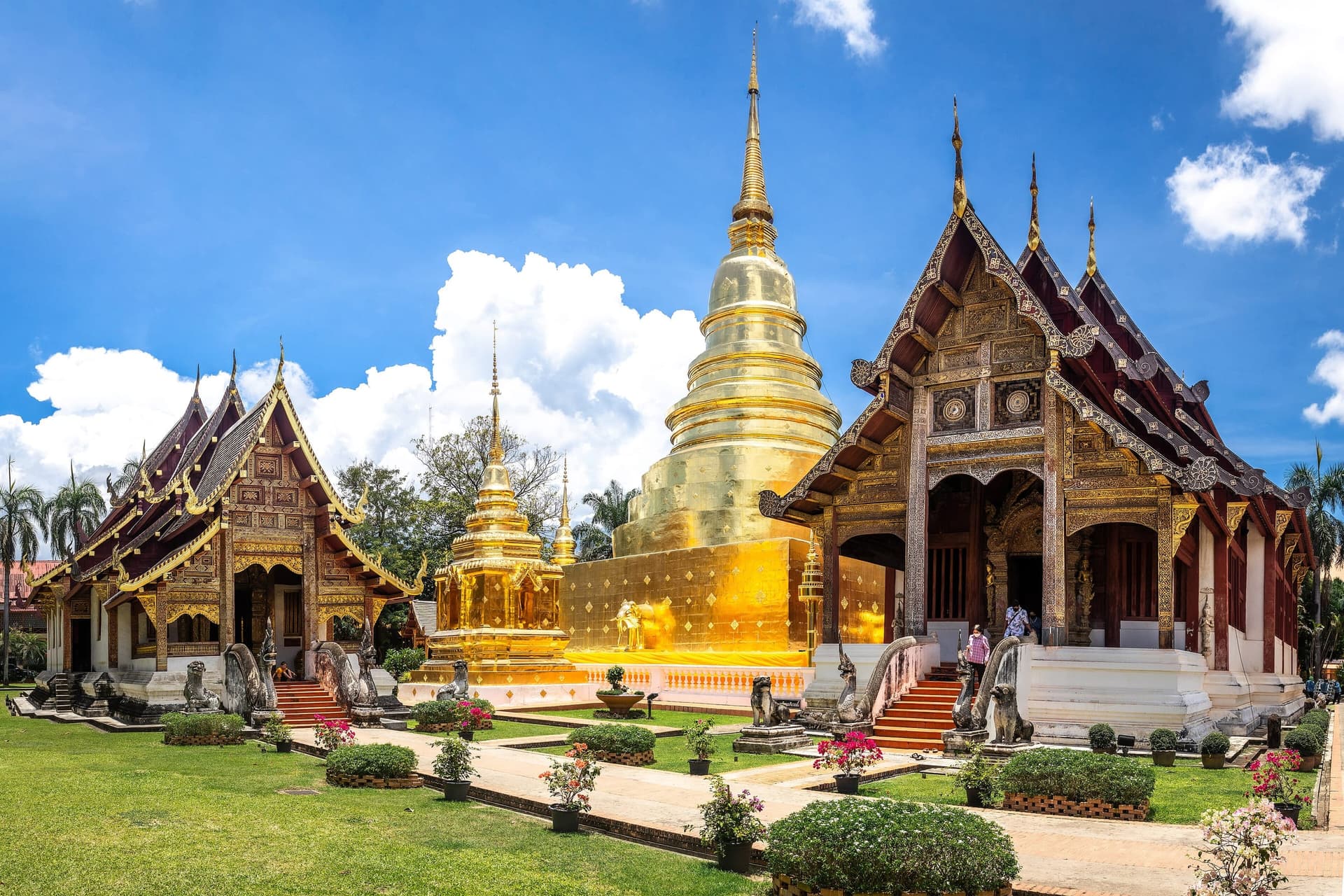
وسط تايلاند، بما في ذلك بانكوك والمدينتان التاريخيتان أيوتثايا وسوكوثاي، في أفضل حالاته من نوفمبر إلى فبراير، حين تخفّ الحرارة وتصبح زيارة المعالم مريحة. أما مارس إلى مايو فهو حار، لا سيما أبريل، وهو أيضاً موعد سونغكران، مهرجان رأس السنة التايلاندية المائي، الذي يملأ الشوارع في منتصف أبريل. يجلب الموسم الأخضر زخّات قصيرة وغزيرة، عادةً بعد الظهر، نادراً ما تعطّل برنامج رحلة مدينية إذا خُطّط اليوم بشيء من المرونة. ولمسار موجّه بالثقافة عبر السهول الوسطى والشمال، صُمّم مسارنا الثقافي في تايلاند ليسير على نحو جيد عبر الموسم البارد وموسم الكتف. وإذا كنت تحدّد توقيت رحلة مشتركة، يتناغم وسط البلاد طبيعياً مع بضعة أيام في الشمال أو امتداد جزري على أي من الساحلين. وللعاصمة نفسها، ومتى تقصدها، والقصر الكبير ومعابد ضفة النهر، والتنقّل فيها عبر النهر والقطار المعلّق (سكاي ترين)، راجع دليلنا لزيارة بانكوك.

شمال تايلاند
الشمال، بما في ذلك شيانغ ماي وشيانغ راي، في أبهى حالاته خلال الموسم البارد، حين تكون حرارة النهار لطيفة وقد تصبح التلال باردة فعلاً ليلاً. هذه هي النافذة المناسبة للمسير الجبلي، وثقافة بلاد التلال، ومهرجانات الفوانيس. وثمة تحفّظ صادق واحد يجب التخطيط حوله: موسم الحرق، أي من فبراير إلى أبريل تقريباً، ويكون أسوأه عادةً في مارس، حين يجتمع الحرق الزراعي والحرجي مع ركود الهواء فتنخفض جودة الهواء عبر المنطقة. نُبعد المسافرين الحسّاسين لجودة الهواء والبرامج كثيفة الأنشطة الخارجية عن تلك الأسابيع. أما الموسم الأخضر، في المقابل، فيترك الشمال وارفاً ومدرّجات الأرز في أشدّ خضرتها، مع مطر يميل إلى القدوم في زخّات قصيرة. صُمّم برنامجنا في شمال تايلاند للنافذتين الباردة والخضراء لا لأشهر الضباب الدخاني.
الجزر: ساحلا الأندامان والخليج
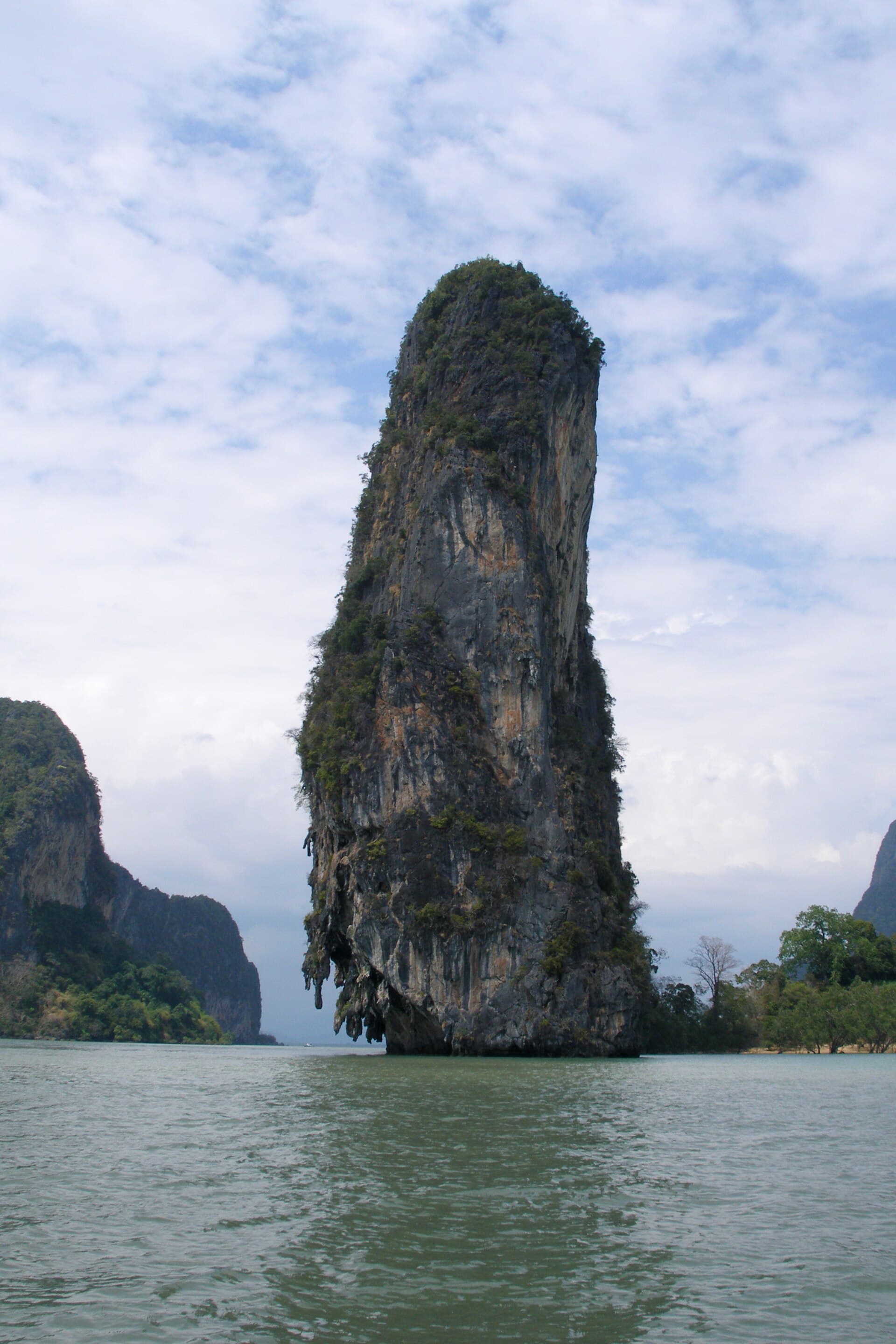
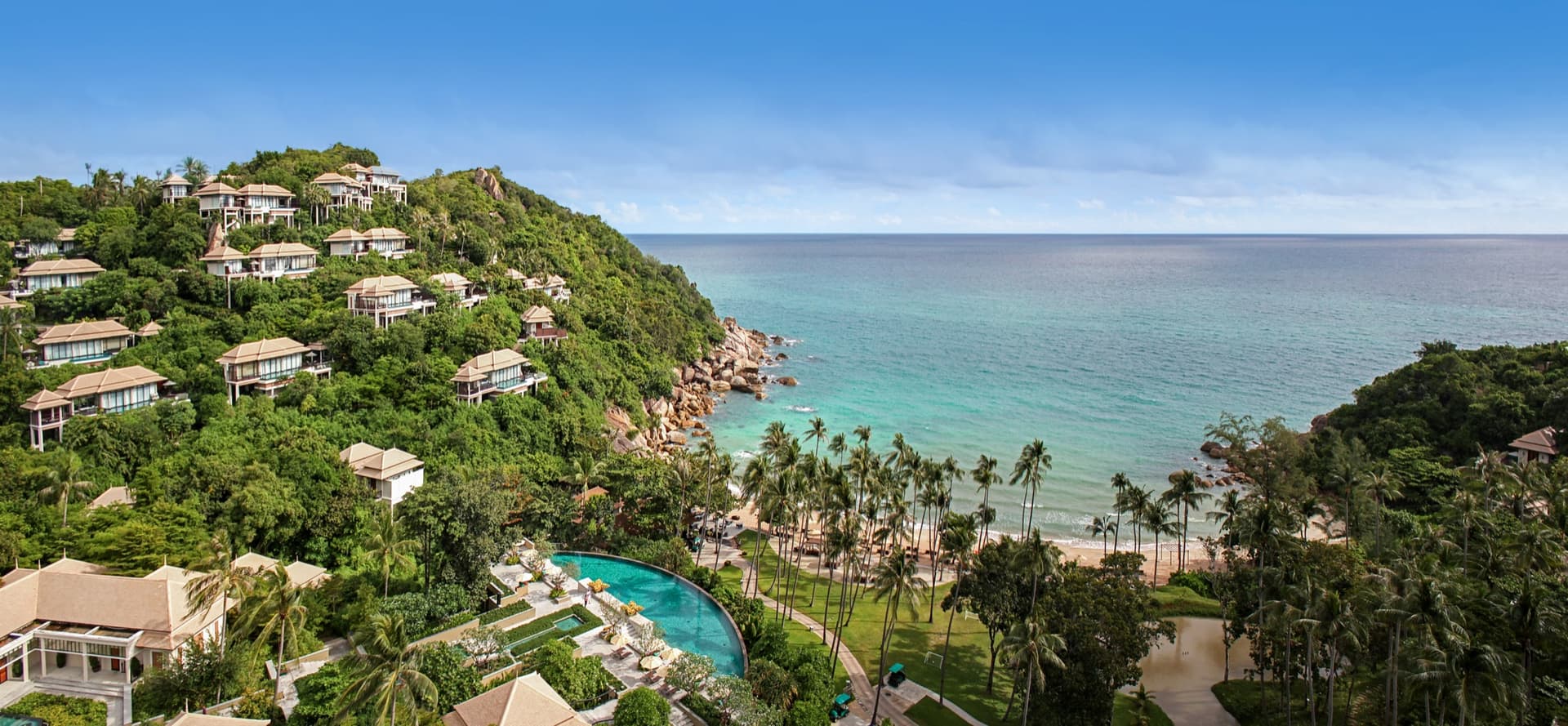
أنفع ما يمكن معرفته عن جزر تايلاند هو أن الساحلين يخضعان لطقس متعاكس. ساحل الأندامان في الغرب، بما في ذلك فوكيت وكرابي وفي في وخليج فانغ نغا، في أفضل حالاته من نوفمبر إلى أبريل، مع أشهره الأكثر مطراً وهيجاناً من مايو إلى أكتوبر. أما ساحل الخليج في الشرق، بما في ذلك كو ساموي وكو فانغان وكو تاو، فيمتد لاحقاً ويبقى أكثر جفافاً خلال منتصف العام، ويصل أغزر مطره نحو أكتوبر إلى ديسمبر، تماماً حين يعود جانب الأندامان إلى الجفاف من جديد. عملياً يعني ذلك أن الجزر قابلة للبيع خلال جزء كبير من العام إذا اخترت الساحل الذي يطابق المواعيد. ويقع برنامجنا ملاذ العافية في كو ساموي على ساحل الخليج، فيخضع لطقسه. خُطّط مسارنا بين بانكوك وجزر الجنوب وامتدادنا الشاطئي في تايلاند حول هذا المنطق القائم على الساحل تلو الآخر.
مطابقة الساحل بالشهر
حين يدخل ساحل الأندامان أشهره الأكثر مطراً اعتباراً من مايو، تكون جزر الخليج غالباً الخيار الأفضل، إذ تحتفظ بطقس أكثر جفافاً عبر معظم الصيف. عندها تحمل ساموي وجاراتها فترتها الممطرة الخاصة في أواخر العام، نحو أكتوبر إلى ديسمبر، وهو بالضبط حين تجفّ فوكيت وكرابي استعداداً للموسم العالي. مطابقة الساحل بالشهر هي ما يتيح لإقامة شاطئية أن تكون محور رحلة على مدار العام تقريباً.
المهرجانات وقيمة الموسم الأخضر
توقيت رحلة حول مهرجان قد يرفع من شأن برنامج الرحلة. يقع سونغكران، رأس السنة التايلاندية، في منتصف أبريل ويحوّل البلاد إلى مهرجان مائي وطني، وهو إما ذروة في الرحلة أو موعد يجب التخطيط حوله بحسب المسافر. أما لوي كراثونغ، حين تُطلق الأضواء العائمة على الماء، فيقع عادةً في أكتوبر أو نوفمبر، وفي شيانغ ماي يتزامن مع يي بينغ، مهرجان الفوانيس. ولتوقيت رحلة مجموعة عملائك حول لوي كراثونغ، أرسل إلينا التواريخ وحجم المجموعة لرحلة على مسارنا الثقافي في تايلاند. ويحمل الموسم الأخضر قيمته الخاصة إلى جانب السعر: مواقع أكثر هدوءاً والمناظر الطبيعية في أزهى حالاتها. وللمجموعات التي لا تشترط شمساً مضمونة والتي يستطيع برنامجها أن يَمرن حول زخّة بعد الظهر، تقدّم الأشهر المتوسطة قيمة أفضل، ومواقع أكثر هدوءاً، وبلاداً أكثر خضرة من الذروة، مع توافر أكبر في أقوى الفنادق.
كيف نخطّط حول المواسم
نخطّط للرحلات بحيث يعمل الموسم لصالح العميل لا ضده. وهذا يعني توقيت الشمال للنافذتين الباردة والخضراء وبعيداً عن أسابيع الضباب الدخاني، واختيار ساحل الجزر المناسب للشهر، وبناء قدر من المرونة في أيام الموسم الأخضر بحيث تعيد زخّة بعد الظهر تشكيل الجدول بدلاً من أن تفسده. حيث تكون المواعيد ثابتة، نرسم المسار حول الطقس؛ وحيث تكون المواعيد مفتوحة، ننصح بالنافذة التي تناسب الاهتمامات. وتحتفظ وكالتك بعلاقتها مع عميلها، ويبيّن عرض السعر المستندات التي نعدّها ومن يتواصل مع المسافرين أثناء الرحلة. وللمنطق نفسه عبر الحدود، راجع دليلنا الرفيق حول أفضل وقت لزيارة فيتنام، وقبل تثبيت المواعيد، تحقق من متطلبات الدخول والتأشيرة الحالية. أرسل لنا نافذة مستهدفة أو قائمة أمنيات، وسنعيد إليك شكلاً يناسب الوقت من العام.
الأسئلة الشائعة
متى أفضل وقت لزيارة تايلاند؟
بالنسبة لمعظم أنحاء البلاد، أفضل وقت هو الموسم البارد الجاف من نوفمبر إلى فبراير تقريباً، حين تكون الرطوبة أقل ويكون الطقس في أكثر حالاته استقراراً. وهذه أيضاً النافذة الأكثر ازدحاماً وكلفة، لذا تُحجز أفضل الفنادق والمرشدين مبكراً. ولكل من الموسم الحار من مارس إلى مايو والموسم الأخضر من يونيو إلى أكتوبر مكانه، لا سيما للجزر وللسفر الموجّه بالقيمة، لكن الموسم البارد هو الخيار الأكثر أماناً على كل صعيد.
ما هو موسم الأمطار في تايلاند؟
يمتد موسم الأمطار أو الموسم الأخضر الرئيسي من يونيو إلى أكتوبر تقريباً عبر معظم أنحاء البلاد، مدفوعاً بالرياح الموسمية الجنوبية الغربية. وهو عملياً يعني عادةً زخّات قصيرة وغزيرة بعد الظهر لا مطراً طوال اليوم، مع مناظر طبيعية وارفة وازدحام أقل في ما بينها. والسواحل الجنوبية هي الاستثناء، إذ يتلقّى جانبا الأندامان والخليج أغزر مطرهما في أوقات مختلفة من العام بدلاً من اتباع بقية البلاد.
هل يستحق زيارة تايلاند في الموسم الأخضر؟
غالباً نعم. يجلب الموسم الأخضر من يونيو إلى أكتوبر قيمة أفضل، ومواقع أكثر هدوءاً، والمناظر الطبيعية في أزهى حالاتها، مع مطر يميل إلى القدوم في زخّات قصيرة بعد الظهر لا في هطول يدوم طوال اليوم. وهو يناسب السفر المتأني والتصوير والرحلات الموجّهة بالقيمة، شريطة أن يحمل برنامج الرحلة قدراً من المرونة. نخطّط لأيام الموسم الأخضر بحيث تعيد الزخّة تشكيل الجدول بدلاً من أن تدمّره، ونوجّه الخطط الحسّاسة للطقس نحو المناطق الأكثر جفافاً.
متى أفضل وقت لزيارة الجزر التايلاندية؟
يعتمد ذلك على الساحل. ساحل الأندامان في الغرب، بما في ذلك فوكيت وكرابي وفي في، في أفضل حالاته من نوفمبر إلى أبريل. أما ساحل الخليج في الشرق، بما في ذلك كو ساموي وكو فانغان وكو تاو، فيمتد لاحقاً ويبقى أكثر جفافاً خلال منتصف العام، مع وقوع أغزر فتراته الممطرة نحو أكتوبر إلى ديسمبر. ولأن الساحلين يخضعان لنمطين متعاكسين، فإن إقامة جزرية قوية قابلة للحجز خلال معظم العام عبر مطابقة الساحل بالمواعيد.
متى أفضل وقت لزيارة شمال تايلاند؟
الشمال، بما في ذلك شيانغ ماي وشيانغ راي، في أفضل حالاته خلال الموسم البارد من نوفمبر إلى فبراير تقريباً، حين تكون الأيام لطيفة وقد تصبح التلال باردة فعلاً ليلاً. وهذه هي النافذة المثلى للمسير الجبلي، وثقافة بلاد التلال، ومهرجانَي الفوانيس لوي كراثونغ ويي بينغ. والفترة الوحيدة التي يجب التخطيط حولها هي موسم الحرق، من فبراير إلى أبريل تقريباً وأسوأه عادةً في مارس، حين تنخفض جودة الهواء عبر المنطقة ونُبعد البرامج كثيفة الأنشطة الخارجية عن تلك الأسابيع. والموسم الأخضر من يونيو إلى أكتوبر بديل قوي، إذ يترك الشمال وارفاً ومدرّجات الأرز في أشدّ خضرتها، مع مطر يميل إلى الهطول في زخّات قصيرة.
ما هو موسم الحرق في شمال تايلاند؟
يمتد موسم الحرق في الشمال من فبراير إلى أبريل تقريباً، ويبلغ أسوأه عادةً في مارس، حين يجتمع الحرق الزراعي والحرجي مع ركود الهواء فتنخفض جودة الهواء عبر شيانغ ماي وشيانغ راي والتلال المحيطة. وهو يتداخل مع الموسم الحار وقد يؤثّر في الراحة والرؤية في الهواء الطلق على حد سواء. نخطّط حوله بإبعاد المسافرين الحسّاسين لجودة الهواء والبرامج كثيفة الأنشطة الخارجية عن تلك الأسابيع، وتفضيل الموسم البارد أو الموسم الأخضر للرحلات الشمالية.
متى يقع سونغكران وماذا يعني للسفر؟
يُحتفل بسونغكران، رأس السنة التايلاندية، في منتصف أبريل، مع وقوع أيامه الرئيسية عادةً نحو الثالث عشر إلى الخامس عشر. وهو مهرجان مائي وطني، مبهج وغزير الماء، وذروة ثقافية حقيقية، لكنه يجلب أيضاً ازدحاماً وطلباً أعلى وارتباكاً في الجداول المعتادة. وللمسافرين الراغبين في أن يكونوا جزءاً منه، نبنيه في البرنامج؛ ولمن يفضّلون تجنّب الازدحام والماء، نخطّط مواعيدهم حوله. وفي الحالتين، يستحق الأمر معرفته قبل تثبيت رحلة في أبريل.
عن الكاتبة
Wanwisa Puengsawang
الرئيسة التنفيذية لشركة Pai Dai DMC
تتولى Wanwisa Puengsawang، المعروفة باسم Sally، منصب الرئيسة التنفيذية لشركة Pai Dai DMC، وتقود عملياتها الأرضية في تايلاند وفيتنام، وتعمل مباشرة مع مشغّلي جولات الجملة ومنظّمي فعاليات MICE والعملاء المباشرين.
المزيد عن Pai Dai DMCلوكلاء السفر
هل تخطّطون لرحلة إلى تايلاند أو فيتنام لأحد عملائكم؟
بعد استلام موجز مكتمل التفاصيل، نقدّم عرض سعر يتضمن أسعار الخدمات بحلول الوقت نفسه من يوم العمل التالي. قد نحتاج إلى وقت أطول للطلبات المعقّدة التي تشمل عدة بلدان أو لطلبات موسم الذروة؛ ونبيّن موعد التسليم المعدّل عند تأكيد استلام الطلب.