สิ่งที่น่าชมที่สุดในนครโฮจิมินห์มีอะไรบ้าง
รายการสำคัญสำหรับผู้มาเยือนครั้งแรกจะพาคุณอยู่ในเขต 1 ที่เดินได้เป็นส่วนใหญ่ ทั้งสถานที่สำคัญยุคอาณานิคมที่ร้อยเรียงกันได้ด้วยการเดิน บวกกับจุดชมประวัติศาสตร์สงครามสองแห่งที่เป็นแกนหลักของทุกทริป ไม่มีบัตรเข้าชมรวมของเมือง สถานที่ที่เก็บค่าเข้าแต่ละแห่งจึงเก็บค่าเข้าของตัวเอง ขณะที่ถนนสายใหญ่ ที่ทำการไปรษณีย์ และตลาดต่างๆ เดินชมได้ฟรี นี่คือ 5 อันดับแรก
วังเอกภาพ (หรือเรียกว่าวังเอกราช) คือวังประธานาธิบดียุค 1960 ที่ได้รับการอนุรักษ์ไว้ จุดที่สงครามยุติในวันที่ 30 เมษายน 1975 เมื่อรถถังเวียดนามเหนือพุ่งชนประตูวัง ตัวอาคารถูกเก็บรักษาไว้ในสภาพเดิมเป็นส่วนใหญ่ ทั้งห้องสงคราม ห้องรับรอง และบังเกอร์ใต้ดิน ทำให้เป็นจุดที่ทรงพลังที่สุดจุดหนึ่งในเมือง ข้อมูลเชิงปฏิบัติ ค่าเข้าชมผู้ใหญ่ 40,000 ดอง (ราว 1.50 ดอลลาร์สหรัฐ) เปิดทุกวันเป็นสองรอบคือเช้าและบ่าย (ราว 7:30 ถึง 11 โมงเช้า และบ่ายโมงถึง 4 โมงเย็น มีปิดพักช่วงเที่ยง) อยู่ใจกลางเขต 1 มีบัตรรวมที่เพิ่มนิทรรศการนอโรดมในราคาสูงขึ้นเล็กน้อย ราว 65,000 ถึง 80,000 ดองขึ้นอยู่กับแหล่งข้อมูล จึงควรยืนยันราคาชุดรวมที่แน่นอนที่เคาน์เตอร์
พิพิธภัณฑ์ซากสงคราม คือบันทึกเรื่องราวสงครามที่มีผู้เข้าชมมากที่สุดและหนักแน่นที่สุดของประเทศ พร้อมเครื่องบิน รถถัง และปืนใหญ่ที่ยึดมาได้ในลานด้านนอก และภาพถ่ายที่ตรงไปตรงมาภายในอาคาร ควรเผื่อเวลาสักสองชั่วโมงและเตรียมใจให้มั่นคง ข้อมูลเชิงปฏิบัติ ค่าเข้าชมผู้ใหญ่ 40,000 ดอง (ราว 1.50 ดอลลาร์สหรัฐ) เด็กอายุต่ำกว่า 6 ปีเข้าฟรี และลดครึ่งราคาสำหรับอายุ 6 ถึง 15 ปี นักเรียน และผู้สูงอายุ เปิดทุกวัน 7:30 ถึง 17:30 น. (เคาน์เตอร์ขายตั๋วปิด 5 โมงเย็น) รวมวันหยุดสุดสัปดาห์และวันหยุดนักขัตฤกษ์ ไม่มีวันปิดประจำสัปดาห์ อยู่ที่ 28 ถนนโวว่านตาน เขต 3
มหาวิหารนอเทรอดามไซ่ง่อน คือมหาวิหารอิฐแดงหอคู่ที่สร้างด้วยวัสดุขนส่งมาจากฝรั่งเศส ภาพถ่ายโปสการ์ดคลาสสิกของไซ่ง่อนยุคอาณานิคม ข้อมูลเชิงปฏิบัติ และนี่คือจุดที่ต้องปรับความคาดหวัง มหาวิหารอยู่ระหว่างการบูรณะครั้งใหญ่ตั้งแต่ปี 2017 เดิมมีกำหนดเสร็จภายในสิ้นปี 2027 แต่ตอนนี้ทางมหาวิหารคาดว่างานจะใช้เวลานานกว่านั้น และยังไม่มีการกำหนดวันเปิดอีกครั้ง นั่งร้านกำลังถูกรื้อออกและมีการติดตั้งไม้กางเขนใหม่บนหอคอยในเดือนมีนาคม 2026 แต่การเข้าชมภายในเต็มรูปแบบสำหรับนักท่องเที่ยวยังไม่ได้รับการยืนยัน แม้พิธีมิสซาสำหรับผู้ศรัทธายังคงดำเนินต่อไป ให้ถือว่าเป็นจุดชมและถ่ายภาพจากภายนอก ชื่นชมด้านหน้าตึกได้ฟรี และตรวจสอบสถานะการเข้าชมภายในล่าสุดใกล้วันเดินทางของคุณ แทนที่จะคาดหวังว่าจะได้เข้าไปข้างใน
ที่ทำการไปรษณีย์กลางไซ่ง่อน ซึ่งอยู่ข้างมหาวิหาร คือห้องโถงยุคอาณานิคมที่งดงามด้วยโครงเหล็กโค้งและเพดานสูงตระการตา ยังคงเป็นที่ทำการไปรษณีย์ที่เปิดใช้งานอยู่แม้ผ่านมากว่าศตวรรษ ข้อมูลเชิงปฏิบัติ เข้าชมฟรี เพราะเป็นที่ทำการไปรษณีย์ที่ยังใช้งานจริง คุณจ่ายเฉพาะค่าแสตมป์ ค่าส่งไปรษณีย์ หรือของที่ระลึก เปิดทุกวัน โดยประมาณจันทร์ถึงศุกร์ 7 โมงเช้าถึง 5 โมงเย็น เสาร์ 7 โมงเช้าถึง 6 โมงเย็น และอาทิตย์ 8 โมงเช้าถึง 6 โมงเย็น เดินเข้าไปข้างในเพื่อความเย็นสบาย ภาพจิตรกรรมแผนที่ และตู้โทรศัพท์ไม้เก่าแก่
ตลาดเบนถั่ญ คือตลาดในร่มสัญลักษณ์ของเมืองใต้ประตูหอนาฬิกาอันคุ้นตา เขาวงกตของผ้า ของที่ระลึก และแผงอาหาร ข้อมูลเชิงปฏิบัติ เข้าชมฟรีและจ่ายเฉพาะสินค้าที่ซื้อ ตลาดหลักเปิดทุกวันราว 6 โมงเช้าถึง 6 โมงเย็น (แผงอาหารสดปิดตัวช่วงเที่ยง) และหลังจากตลาดปิด ถนนโดยรอบจะกลายเป็นตลาดกลางคืนอาหารริมทางและของที่ระลึกที่มีชีวิตชีวา ราว 6 โมงเย็นถึง 4 ทุ่มหรือ 5 ทุ่ม และดึกกว่านั้นในวันหยุดสุดสัปดาห์ ต่อรองราคาอย่างสุภาพในตัวตลาด และมาถึงตอนหัวค่ำเพื่อแผงตลาดกลางคืน
ที่อื่นที่ควรค่าแก่เวลาของคุณเช่นกัน
- ถนนคนเดินบุ่ยเวียน ในย่านฝ่ามหงูลาว คือถนนไนต์ไลฟ์และแบ็คแพ็คเกอร์ที่เต็มไปด้วยแสงนีออนของเขต 1 ยาวราว 850 เมตร เต็มไปด้วยบาร์ อาหารริมทาง และดนตรีสด เดินฟรี และห้ามยานพาหนะเข้าราว 1 ทุ่มถึงตี 2 ในวันหยุดสุดสัปดาห์ ซึ่งเป็นช่วงที่คึกคักและเสียงดังที่สุด
- ถนนคนเดินเหงียนเว้และศาลาว่าการเมือง คือถนนคนเดินยาว 900 เมตรที่ทอดจากอาคารคณะกรรมการประชาชนลงไปยังแม่น้ำไซ่ง่อน เข้าฟรีและเปิดตลอดเวลา ศาลาว่าการเมืองยุคอาณานิคมฝรั่งเศสที่หัวถนน (สร้างเสร็จปี 1908) ชมได้เฉพาะภายนอกและถ่ายภาพเท่านั้น ไม่เปิดให้เข้าชมภายใน และเพิ่งได้รับการติดไฟใหม่ในปี 2025 จึงควรชมยามค่ำ
- วัดเง็กฮ่องเต้ (หง็อกหว่าง) คือหนึ่งในวัดที่ยังใช้งานจริงและมีบรรยากาศที่สุดของเมือง หนาแน่นด้วยควันธูปและรูปสลัก เข้าชมฟรี (รับบริจาค) เปิดทุกวันราว 7 โมงเช้าถึง 17:30 น. เปิดนานขึ้นในวันที่ 1 และ 15 ของทุกเดือนจันทรคติ
- จุดชมวิวจากที่สูง สำหรับเส้นขอบฟ้าสมัยใหม่ ดาดฟ้าชมวิว Landmark 81 SkyView บนตึกที่สูงที่สุดของเวียดนามให้วิวพาโนรามาแม่น้ำและเมืองที่งดงามที่สุด เริ่มต้นราว 420,000 ดอง (ราว 16 ดอลลาร์สหรัฐ) สำหรับตั๋วผู้ใหญ่มาตรฐาน ราคาสูงขึ้นในวันหยุดสุดสัปดาห์ ส่วน Bitexco Saigon Skydeck ที่อยู่ใจกลางเมืองมากกว่าคือทางเลือกอื่น ควรยืนยันแพ็กเกจที่แน่นอนก่อนจอง เพราะตั๋วชุดรวมราคาสูงกว่า
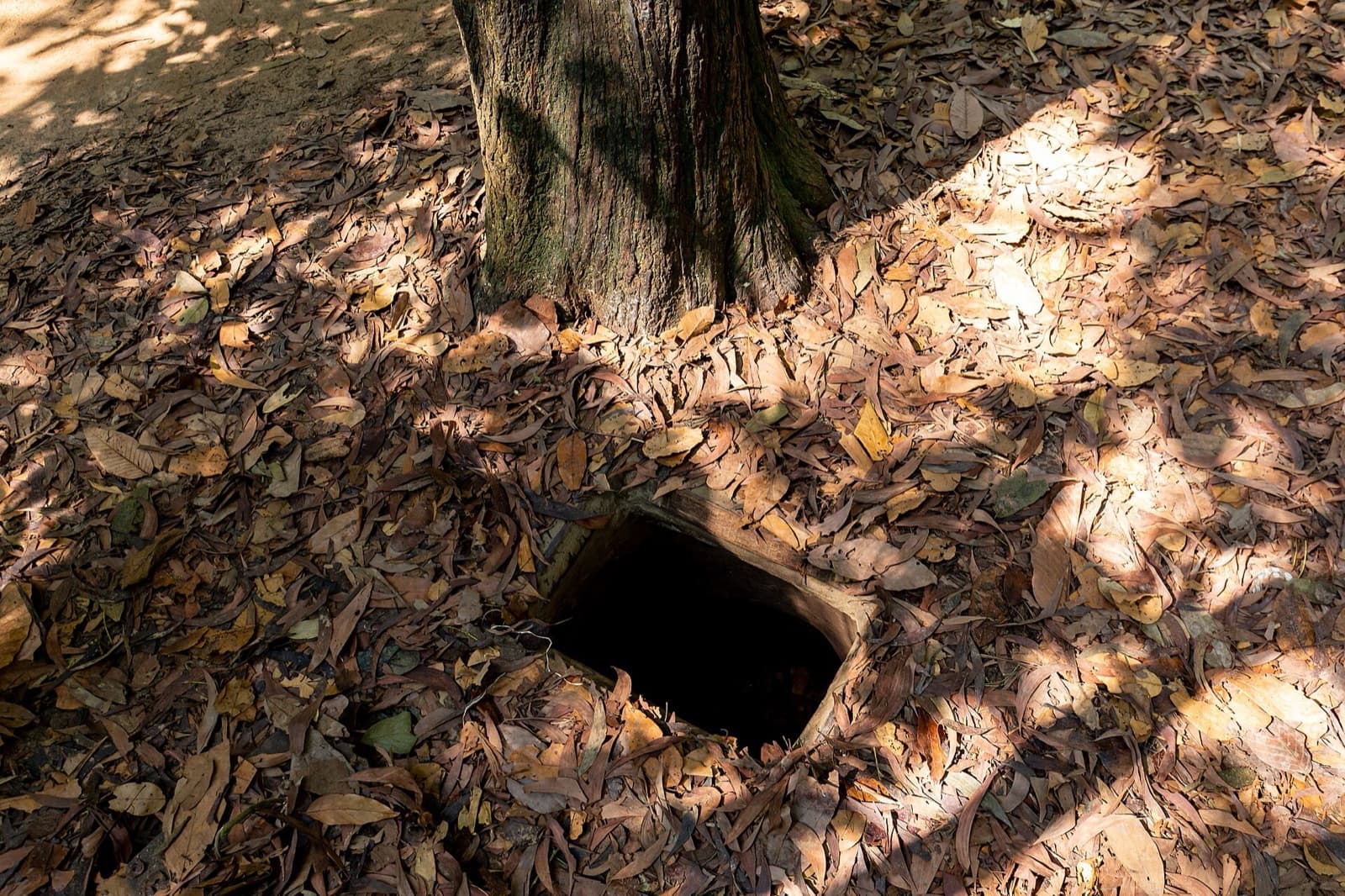
- อุโมงค์กู๋จี ห่างไปทางตะวันตกเฉียงเหนือราว 1.5 ถึง 2 ชั่วโมงโดยรถ คือเครือข่ายอุโมงค์สงครามขนาดใหญ่ ทริปครึ่งวันที่จับต้องได้จริง ค่าเข้าชมมีรายงานไม่ตรงกันในแต่ละแหล่งข้อมูล แต่อยู่ที่ราว 110,000 ดอง (ราว 4 ถึง 5 ดอลลาร์สหรัฐ) และทัวร์แบบวันเดียวมักรวมค่าเข้าไว้แล้ว จึงควรยืนยันว่าราคารวมอะไรบ้างตอนจอง
- ทริปวันเดียวสามเหลี่ยมปากแม่น้ำโขง หมีทอ (ราว 1.5 ชั่วโมง) และเบ๊นแจ (ราว 2 ชั่วโมง) คือฐานทริปวันเดียวมาตรฐานที่จับต้องได้จริงสำหรับล่องเรือซัมปันและเวิร์กช็อปทำขนมมะพร้าว วันเต็มราว 9 ชั่วโมงตั้งแต่ประตูโรงแรมถึงประตูโรงแรม ส่วนตลาดน้ำก๋ายรังใกล้เกิ่นเทออยู่ไกลกว่าและต้องพักค้างคืนจริงๆ จึงไม่ใช่ทริปวันเดียวที่สบายจากตัวเมือง
ควรกินที่ไหนในนครโฮจิมินห์
จานที่ต้องไล่ตามในไซ่ง่อนคือ ก๋อมตั๊ม จานข้าวหักที่เมืองนี้ถือว่าเป็นของตัวเอง ข้าวหักฟูเสิร์ฟคู่หมูย่างถ่าน ไข่ดาว และผักดอง ราคาโดยทั่วไป 30,000 ถึง 65,000 ดอง กินจานนั้นก่อน แล้วค่อยไล่ไปยังของเด่นอื่นๆ ของภาคใต้ มองหา เฝอ ในสไตล์ภาคใต้ที่หวานกว่าและใส่สมุนไพรมากกว่า พร้อมจานผักสดและถั่วงอกใบใหญ่ (40,000 ถึง 120,000 ดอง) บั๋นหมี่ แซนด์วิชบาแก็ตกรอบยุคอาณานิคม (15,000 ถึง 73,000 ดอง) ก๋อยเกวี๋ยน เปาะเปี๊ยะสดแป้งข้าวเปียกพร้อมน้ำจิ้มถั่ว (30,000 ถึง 60,000 ดองต่อจาน) บั๋นแซว แป้งข้าวกรอบสีเหลืองขมิ้นที่ทอดจนดังฉ่า (40,000 ถึง 90,000 ดอง) หูเทียว ก๋วยเตี๋ยวใสเบาๆ สไตล์ภาคใต้ที่มีรากจีน-กัมพูชา (35,000 ถึง 80,000 ดอง) และ กาแฟเวียดนามใส่น้ำแข็ง กาแฟเข้มข้นราดนมข้นหวาน (20,000 ถึง 45,000 ดองระดับร้านริมทาง)
สำหรับข้าวหักตัวเด่น ก๋อมตั๊มบาเงี๋ยน ที่ 84 ถนนดังวันงู เขตฟู้เญวน ย่างหมูบนเตาถ่านและได้ Michelin Bib Gourmand ปี 2026 ราคาจานละราว 30,000 ถึง 65,000 ดอง เปิดทุกวันราว 6 โมงเช้าถึง 4 ทุ่ม สำหรับเฝอ ร้านเก่าแก่ที่ควรไปคือ เฝอฮวาปาสเตอร์ ที่ 260C ถนนปาสเตอร์ เขต 3 เปิดให้บริการตั้งแต่ปี 1968 และได้ Michelin Bib Gourmand เช่นกัน ชามปกติราคาราว 85,000 ถึง 95,000 ดอง และชามใหญ่ 105,000 ถึง 120,000 ดอง แพงกว่าแผงริมทางแต่สมกับชื่อเสียง เปิดทุกวัน 6 โมงเช้าถึง 22:30 น. สำหรับบั๋นหมี่ที่โด่งดังที่สุดของเมือง บั๋นหมี่หวิ่งหว่า ที่ 26D ถนนเลถิเรียง เขต 1 อัดปาเต้และเนื้อเย็นแน่นในขนมปังหนึ่งก้อนราคา 73,000 ดอง ขนาดใหญ่พอแบ่งกันกิน เปิดทุกวัน 6 โมงเช้าถึง 4 ทุ่ม และสำหรับโมเมนต์อาหารริมทางแท้ๆ Lunch Lady (เหงียนถิแทงห์) ที่ 23 ถนนหว่างซา ซึ่งดังจากรายการของแอนโทนี บอร์เดน ทำอาหารจานเดียวที่แตกต่างกันทุกวัน ราคาชามละราว 50,000 ถึง 60,000 ดอง เปิดวันจันทร์ถึงเสาร์ตั้งแต่สายและปิดวันอาทิตย์
นอกเหนือจากชื่อดัง ไซ่ง่อนคือครัวกลางแจ้งขนาดยักษ์หนึ่งเดียว ดึงเก้าอี้พลาสติกมานั่งกินก๋อมตั๊มหรือเฝอ คว้าบั๋นหมี่จากรถเข็น และเดินชิมแผงตลาดกลางคืนเบนถั่ญ ถ้าอยากลองอาหารหลากภูมิภาคในมื้อเดียว ศูนย์อาหารเวียดนามหลายแผงอย่าง Quan An Ngon (แถวเขต 3 ราคากลาง) รวมของเด่นหลายสิบอย่างไว้ใต้หลังคาเดียว คาดหวังได้ว่าจะได้กินดีเยี่ยมในราคาน้อยมาก
แผนเที่ยวนครโฮจิมินห์ 3 วันที่ลงตัวเป็นอย่างไร
แผนที่ลงตัวสำหรับผู้มาเยือนครั้งแรกให้เวลาเมืองสองวันสำหรับจุดชมและอาหาร บวกอีกหนึ่งวันสำหรับทริปวันเดียวไปยังอุโมงค์สงครามหรือสามเหลี่ยมปากแม่น้ำ วันแรกครอบคลุมย่านอาณานิคมและเขต 1 ด้วยการเดิน วันที่สองเจาะลึกประวัติศาสตร์สงครามพร้อมทริปไปกู๋จี และวันที่สามแลกเมืองกับแม่น้ำโขง นี่คือรูปแบบที่เราใช้บ่อยที่สุด
วันที่ 1 ย่านอาณานิคมและเขต 1 ด้วยการเดิน เริ่มที่มหาวิหารนอเทรอดาม (จุดชมและถ่ายภาพจากภายนอกระหว่างการบูรณะ) และที่ทำการไปรษณีย์กลางข้างๆ แล้วเดินไปวังเอกภาพสำหรับรอบเช้า ช่วงบ่าย เดินเล่นถนนคนเดินเหงียนเว้ลงไปถึงแม่น้ำ แวะถ่ายภาพศาลาว่าการเมืองระหว่างทาง และไปถึงตลาดเบนถั่ญก่อนปิดตอน 6 โมงเย็น เมื่อค่ำลง แวะกินมื้อเย็นที่แผงตลาดกลางคืนเบนถั่ญ แล้วจบวันที่ถนนคนเดินบุ่ยเวียน ที่คึกคักที่สุดหลังหนึ่งทุ่มในวันหยุดสุดสัปดาห์
วันที่ 2 ประวัติศาสตร์สงครามและกู๋จี ไปแต่เช้าที่พิพิธภัณฑ์ซากสงครามและเผื่อเวลาสักสองชั่วโมง ตั้งแต่สายไป มุ่งหน้าไปอุโมงค์กู๋จีสำหรับช่วงบ่าย เผื่อเวลาเดินทาง 1.5 ถึง 2 ชั่วโมงต่อเที่ยว จึงเหมาะเป็นทริปครึ่งวันกว่าๆ อย่างสบาย พื้นที่เบ๋นดิ่งที่ใกล้กว่าและได้รับการบูรณะมากกว่าคือเครือข่ายที่เดินง่ายกว่าในสองแห่ง กลับเข้าเมือง จบวันด้วยมื้อเย็นนั่งโต๊ะที่ร้านคลาสสิกภาคใต้อย่างเฝอฮวาปาสเตอร์
วันที่ 3 สามเหลี่ยมปากแม่น้ำโขงหรือวันเมืองสบายๆ สำหรับผู้มาเยือนครั้งแรกส่วนใหญ่ ทริปเต็มวันไปหมีทอหรือเบ๊นแจในสามเหลี่ยมปากแม่น้ำโขง (ล่องเรือซัมปันตามคลอง เวิร์กช็อปทำขนมมะพร้าว ราว 9 ชั่วโมงไปกลับ) คือการใช้วันสุดท้ายที่คุ้มค่าที่สุด เพราะเป็นประสบการณ์เดียวที่คุณทำซ้ำในเขต 1 ไม่ได้ ถ้าอยากอยู่ในเมืองมากกว่า ให้สลับเป็นเช้าสบายๆ ที่วัดเง็กฮ่องเต้ ชมพระอาทิตย์ตกที่ Landmark 81 SkyView และปิดท้ายด้วยกาแฟแก้วสุดท้ายที่คาเฟ่บนดาดฟ้า
จังหวะไซ่ง่อนแบบสบายๆ นี้ จับคู่กับทริปวันเดียวไปยังอุโมงค์หรือสามเหลี่ยมปากแม่น้ำ คือแกนหลักของการเดินทาง Vietnam Express ของเรา และร้อยต่อไปยังฮานอยและภาคเหนือได้อย่างเป็นธรรมชาติหากคุณมีเวลามากกว่านี้