كم تستغرق الانتقالات في تايلاند وفيتنام؟ زمن القيادة شيء وزمن اليوم شيء آخر


Wanwisa Puengsawang
الرئيسة التنفيذية لشركة Pai Dai DMC
ابحث عن المدة التي يستغرقها الطريق من هانوي إلى خليج ها لونغ وسيُقال لك 3 ساعات ونصف. أو 4. الرقمان متداولان معاً، وكلاهما يأتي ممن قطعوا الطريق فعلاً، والفارق بينهما ليس حركة المرور.
والأرقام أدناه أزمنة تخطيط من الباب إلى الباب، تشمل الصعود إلى المركبة والوقفات التي تحتاجها المجموعة، وليست قياسات من سجلّ. فراجِع كلاً منها على الفنادق والأرصفة المذكورة في عرض السعر.
رقم ها لونغ يتحدد بالرصيف لا بالمسافة
هذه هي المعلومة التي تستحق أن تُعرف قبل حجز أي شيء في شمال فيتنام.
في خليج ها لونغ أكثر من مكان واحد للصعود إلى القارب. فالرصيف الذي تستخدمه معظم البرامج يقع بعد مدينة ها لونغ، ومن فندق في هانوي هو صباح كامل من 4 ساعات من الباب إلى الباب. فخطّط للمغادرة نحو 8:30 صباحاً والصعود إلى القارب نحو 12:30 ظهراً. أما القيادة نفسها فنحو 3 ساعات ونصف، والباقي للصعود إلى المركبة ووقفة في الطريق وإجراءات الصعود إلى القارب.
ويقع خليج لان ها إلى الجنوب مباشرة، وله رصيفه الخاص. ومن فنادق هانوي نفسها يكون الطريق أقرب إلى 2.5 أو 3 ساعات. الصخر الجيري نفسه، والمياه نفسها، ونحو ساعة من يومك بينهما.
لذا فإن زمن الانتقال المذكور إلى «خليج ها لونغ» إنما يخبرك بأي رصيف تقصد. فإذا كان جدولك يضعك على متن القارب عند الظهر، فقد أنفقت الصباح. وإذا كان يضعك على متنه بحلول 11:30 صباحاً، فقد اتخذ أحدهم قراراً مختلفاً.
فيتنام، مرحلة مرحلة
هذه هي المراحل الفيتنامية التي تستخدمها معظم برامج المجموعات.
| المرحلة | الوسيلة | زمن التخطيط |
|---|---|---|
| من هانوي إلى خليج ها لونغ (الرصيف الرئيسي) | براً | نحو 4 ساعات |
| من هانوي إلى رصيف خليج لان ها | براً | نحو 2.5 إلى 3 ساعات |
| من هانوي إلى سابا | براً | من 5 إلى 6 ساعات، مع وقفتين قصيرتين |
| من مطار دا نانغ إلى هوي آن | براً | من 30 إلى 40 دقيقة |
| من مدينة هوي إلى دا نانغ | بالقطار | نحو ساعتين و45 دقيقة إلى 3 ساعات و35 دقيقة، بحسب الخدمة |
| من مدينة هو تشي منه إلى My Tho (ماي تو) | براً | نحو ساعتين لمسافة 70 كيلومتراً |
| من Chau Doc (تشاو دوك) إلى بنوم بنه | بقارب سريع | نحو 5.5 ساعة |
اثنتان من هذه المراحل تستحقان ملاحظة.
الطريق من هانوي إلى سابا نصف يوم حقيقي، والوقفتان ليستا حشواً. فعلى طريق جبلي من 5 إلى 6 ساعات هما الفارق بين وصول منتعش ووصول منهك. ومن يذكر لك 5 ساعات بالتمام لم يحسبهما.
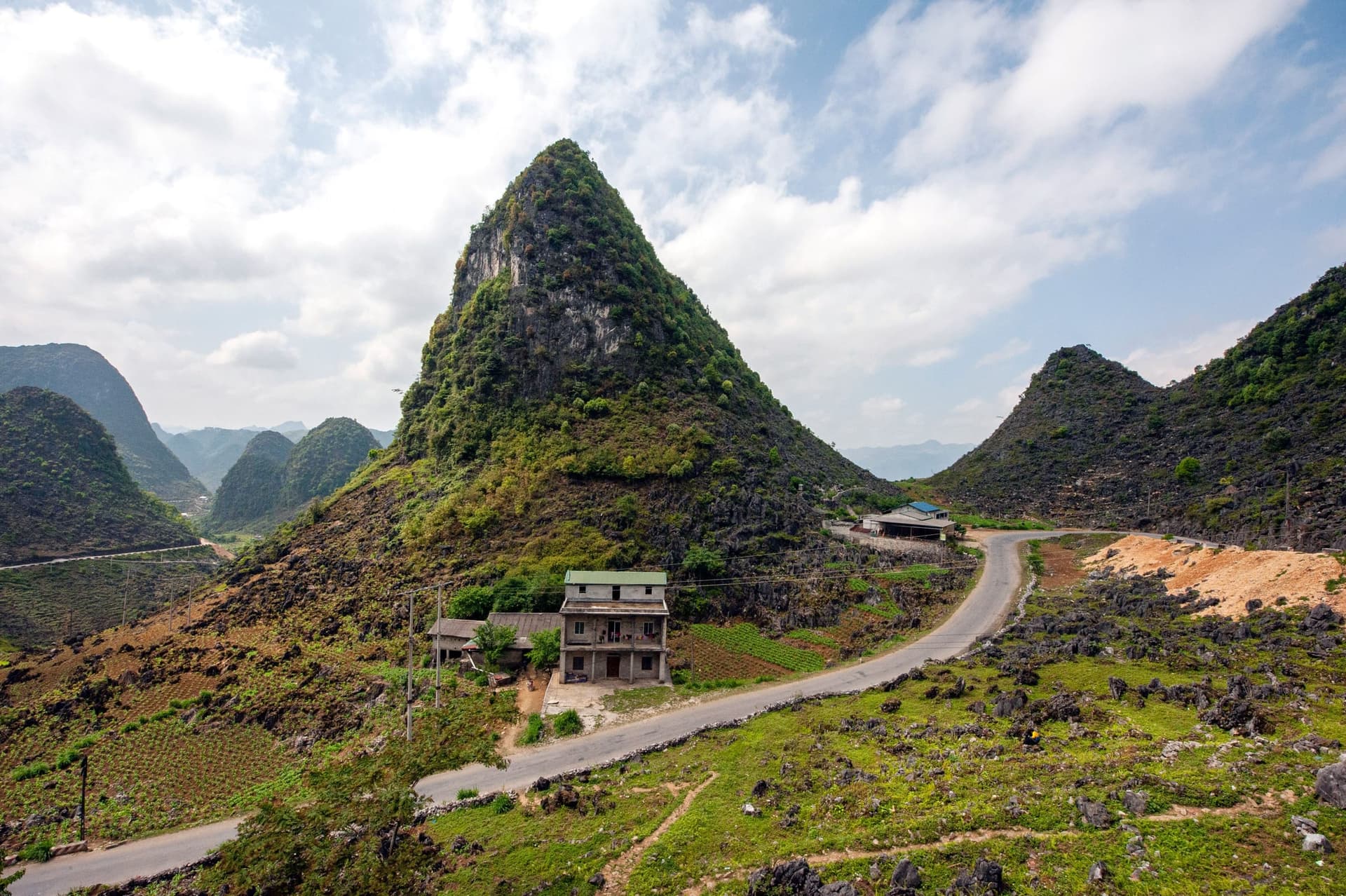
وأزمنة القطار من مدينة هوي إلى دا نانغ تتحرّك لأن القطارات نفسها مختلفة فعلاً. فالخدمة السياحية والخدمة النظامية تستغرقان زمنين مختلفين على السكة نفسها، والأبطأ منهما هي الرحلة الأجمل. وذلك خيار حقيقي، لا تضارب في الأرقام.
شمال تايلاند سلسلة من مراحل برّية قصيرة
يبدو شمال تايلاند على الخريطة حلقة كبيرة، لكنه يُقطع في الواقع سلسلةَ مراحل قصيرة يسهل احتمالها. وهذا الشكل أهمّ من أي رقم مفرد.
| المرحلة | الوسيلة | زمن التخطيط |
|---|---|---|
| من بانكوك إلى كانشانابوري | براً | نحو 1.5 ساعة |
| من كانشانابوري إلى أيوتثايا | براً | من 3.5 إلى 4 ساعات |
| من أيوتثايا إلى بيتسانولوك | براً | نحو 4.5 ساعة |
| من بيتسانولوك إلى سوكوثاي | براً | نحو 1.5 ساعة |
| من سوكوثاي إلى لامبانغ | براً | نحو 3 ساعات |
| من لامبانغ إلى شيانغ راي | براً | نحو 4.5 ساعة |
| من شيانغ راي إلى شيانغ ماي | براً | نحو 3.5 ساعة |
| من المثلث الذهبي إلى مطار شيانغ راي | براً | نحو ساعة واحدة لمسافة 60 كيلومتراً |
أطول مرحلة مفردة هناك 4.5 ساعة. وليس في السلسلة كلها يوم مرهق بذاته، وهذا وحده سبب نجاح المنطقة برّاً. أما الوصول جواً إلى شيانغ ماي فيتخطّى ذلك كله، وهي مقايضة عادلة في رحلة قصيرة، وخسارة حقيقية في رحلة أطول.
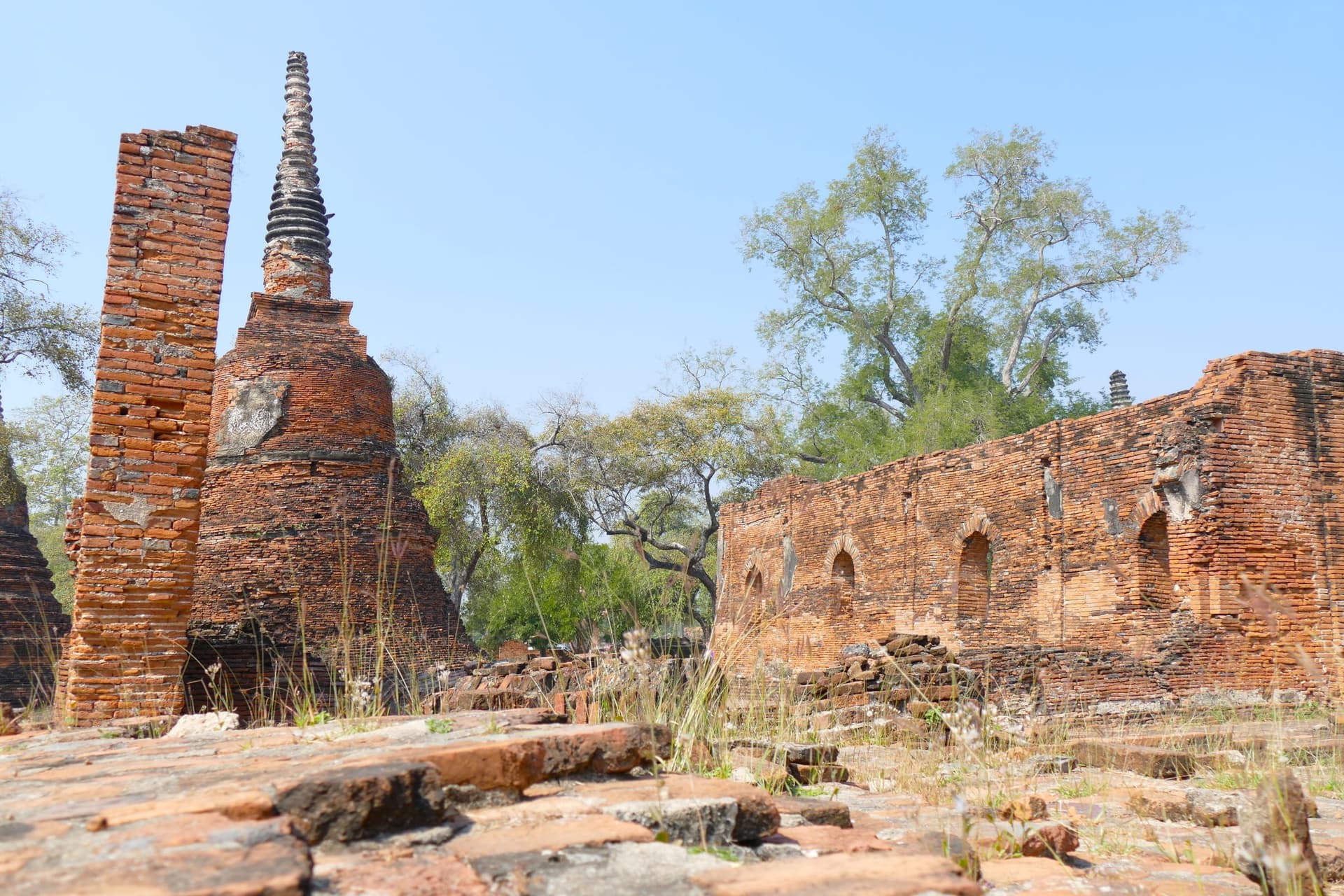
وعامِل الأرقام التايلاندية بوصفها نطاقات للتخطيط، وراجِع كل مرحلة على الفنادق والمحطات المذكورة في عرض السعر قبل أن تبني يوماً حولها.
لماذا يختلف الرقم المنشور عن الرقم الفعلي
ثلاثة أسباب، وليس فيها كذب من أحد.
الأول هو الصعود إلى المركبة. فزمن الطريق يبدأ حين تتحرّك المركبة، أما الانتقال فيبدأ حين ينزل أول شخص إلى بهو الفندق. وفي المجموعات، هذا يعني من 15 إلى 20 دقيقة قبل أن يحدث أي شيء.
والثاني هو الوقفات. فالمراحل الطويلة تحتاجها، والمشغّل الجيد يضعها في الخطة. وجدول الانتقال من هانوي إلى سابا ينبغي أن يتضمّن وقفتين، وهما ليستا فراغاً في الجدول، بل هما سبب وصول الناس قادرين على الاستمتاع بفترة ما بعد الظهر.
والثالث هو الذي يوقع الناس في الالتباس. فبعض المراحل قيادة وبعضها يوم كامل، وكلاهما يُذكر بالساعات. الطريق من مدينة هوي إلى هوي آن نحو 3 ساعات إن اكتفيت بقيادته. وقليلون جداً يكتفون بقيادته، لأن الطريق يصعد ممراً جبلياً والساحل مفتوح تحته في معظمه. فإذا ذُكر بوصفه 3 ساعات بدا فترةً بعد الظهر. أما إذا نُفّذ كما ينبغي فهو معظم يوم، واليوم هو المقصود.
إن أخذت عادة واحدة من هذا المقال فلتكن هذه: حين ترى زمن انتقال في برنامج، اسأل أهو زمن القيادة أم زمن اليوم.
ما لا ننشره
سؤال منصف، بعد أن نشرنا للتوّ جدولاً بأزمنة التخطيط.
الأزمنة حقائق عن الطرق. يستطيع أي شخص لديه مركبة وسنة من الوقت أن يقيسها، ومصلحة المسافرين في معرفتها. أما ما نحتفظ به فهو التصميم: ترتيب هذه المراحل، وأين تقع محطات المبيت، وكم يُجهَد اليوم الواحد، وأي رصيف يناسب أي نوع من المجموعات. وهذا الحكم هو ما يشتريه الشركاء فعلاً.
فالأرقام أعلاه لك. أما البرنامج الذي يرتّبها فهو العمل.
كيف نساعد الشركاء
أرسل إلينا مساراً ونخبرك أين يذهب الوقت فعلاً. وكثيراً ما لا يكون الحل انتقالاً أسرع بل انتقالاً مختلفاً، أو المرحلة البرّية نفسها منقولة إلى يوم آخر حتى تكفّ عن كونها وقتاً ميتاً.
ويحتفظ الشريك بعلاقته مع العميل. وتنسّق Pai Dai الخدمات الأرضية من خلال شركتين، واحدة في كل بلد، ويحدد عرض السعر الجهة المتعاقدة لكل مرحلة، ويبيّن المستندات التي نعدّها ومن يتواصل مع المسافرين أثناء الرحلة. ابدأ بصفحة التجارب أو صفحة الوجهات لدينا، أو أرسل موجزاً مبدئياً ونعود إليك بشكل مقترح. وتشرح صفحة طريقة عملنا مع وكالات السفر التسجيل والأسعار الصافية، أي أسعار الشراء التجارية.
وللصورة الأوسع عن التنقّل بين البلدين، انظر دليلنا حول السفر بين تايلاند وفيتنام، ولعدد الليالي التي يحتاجها ذلك كله، كم يوماً تحتاج.
الأسئلة الشائعة
كم يستغرق الطريق من هانوي إلى خليج ها لونغ؟
خطّط لنحو 4 ساعات من الباب إلى الباب، من فندق في هانوي حتى الصعود إلى القارب في الرصيف الرئيسي الواقع بعد مدينة ها لونغ: المغادرة نحو 8:30 صباحاً، والصعود نحو 12:30 ظهراً. والقيادة نفسها نحو 3 ساعات ونصف، والباقي للصعود إلى المركبة ووقفة في الطريق وإجراءات الصعود إلى القارب. أما إذا كان قاربك يغادر من رصيف خليج لان ها إلى الجنوب مباشرة، فالرحلة نفسها أقرب إلى 2.5 أو 3 ساعات. المسافة متقاربة، والرصيف هو ما يغيّر الرقم.
كم يستغرق الطريق من دا نانغ إلى هوي آن؟
من 30 إلى 40 دقيقة. وهو من أكثر الانتقالات قابليةً للتوقّع في فيتنام ونادراً ما يفاجئ أحداً، وهذا جزء من سبب وصول برامج كثيرة جواً إلى دا نانغ ومبيتها في هوي آن.
كم يستغرق الطريق من هانوي إلى سابا؟
من 5 إلى 6 ساعات براً، بما في ذلك وقفتان قصيرتان من 15 إلى 20 دقيقة. والوقفتان مهمتان على طريق جبلي بهذا الطول. والرقم المذكور 5 ساعات بالتمام لم يحسبهما على الأرجح.
كم يستغرق الانتقال من مدينة هوي إلى هوي آن؟
نحو 3 ساعات إن قدته مباشرة. أما عملياً فتشغّله معظم البرامج يوماً كاملاً، لأن الطريق يعبر ممر هاي فان ولأن المناظر الساحلية فيه من أجمل ما في فيتنام. والجوابان صادقان معاً، لكنهما يصفان منتجين مختلفين، فيجدر أن تسأل أيّهما ذُكر لك.
كم يستغرق الطريق من بانكوك إلى شيانغ ماي؟
معظم البرامج لا تقطعه برّاً. فالطريق من بانكوك إلى شيانغ ماي يُقطع جواً في العادة، بنحو ساعة وربع في الجو. أما قطعه برّاً عبر أيوتثايا وسوكوثاي ولامبانغ فيصير عدة أيام سفر، لا انتقالاً واحداً، ولا يستحق العناء إلا إذا كانت الأماكن الواقعة على الطريق هي سبب الذهاب.
هل هذه الأزمنة موثوقة في الزحام؟
هي أزمنة تخطيط لظروف الطريق الاعتيادية، لا ضمانات. والاستثناءان هما العطلات الرسمية الفيتنامية والطرق المؤدية إلى مطار هانوي، حيث تتفق النصيحة المحلية على ترك وقت إضافي. وفي كل ما هو حسّاس للوقت، مثل مغادرة دولية، نبني هامشاً يزيد على الأزمنة المذكورة هنا.
عن الكاتبة
Wanwisa Puengsawang
الرئيسة التنفيذية لشركة Pai Dai DMC
تتولى Wanwisa Puengsawang، المعروفة باسم Sally، منصب الرئيسة التنفيذية لشركة Pai Dai DMC، وتقود عملياتها الأرضية في تايلاند وفيتنام، وتعمل مباشرة مع مشغّلي جولات الجملة ومنظّمي فعاليات MICE والعملاء المباشرين.
المزيد عن Pai Dai DMCلوكلاء السفر
هل تخطّطون لرحلة إلى تايلاند أو فيتنام لأحد عملائكم؟
بعد استلام موجز مكتمل التفاصيل، نقدّم عرض سعر يتضمن أسعار الخدمات بحلول الوقت نفسه من يوم العمل التالي. قد نحتاج إلى وقت أطول للطلبات المعقّدة التي تشمل عدة بلدان أو لطلبات موسم الذروة؛ ونبيّن موعد التسليم المعدّل عند تأكيد استلام الطلب.