Thái Lan cách Việt Nam bao xa? Khoảng 990 km và không chung biên giới

Wanwisa Puengsawang
Giám đốc điều hành, Pai Dai DMC
Bangkok đến Hà Nội mất khoảng hai giờ bay. Bangkok đến Thành phố Hồ Chí Minh chừng một tiếng rưỡi. Tính theo đường chim bay là khoảng 990 km và 740 km.
Hai nước không có chung đường biên giới. Lào và Campuchia nằm xen giữa, nên không có đường bộ hay đường sắt nào chạy thẳng từ nước này sang nước kia. Đoàn của bạn bay, và gần như đoàn nào cũng vậy.
Nếu bạn là công ty lữ hành Việt Nam bán tour Thái Lan, chặng bay đó là phần ít rắc rối nhất của một chuyến đi hai nước. Phần khó nằm ở đầu bên kia: ai đón đoàn ở Suvarnabhumi, xe chờ chỗ nào, và ai gọi cho ai khi chuyến bay trễ giờ.
Thực tế về khoảng cách: không có biên giới chung
Nhìn nhanh: Thái Lan và Việt Nam không có chung đường biên giới trên bộ, với Lào và Campuchia nằm xen giữa, nên không có cách nào đi đường bộ thẳng và gần như ai cũng qua lại bằng một chuyến bay ngắn duy nhất. Bangkok đến Hà Nội khoảng 990 km (615 mi) và chừng hai giờ bay; Bangkok đến Thành phố Hồ Chí Minh khoảng 740 km (460 mi) và chừng một tiếng rưỡi. Phương án đường bộ qua Lào hoặc Campuchia là có thật nhưng mất vài ngày, nên nó phù hợp với một hành trình đường bộ chuyên biệt hơn là một kỳ nghỉ hai nước.
Trên bản đồ, hai nước trông như láng giềng sát cạnh ở phần trên của Đông Nam Á lục địa. Nhưng không có đường biên giới Thái Việt nào để lái xe băng qua, không có tàu chạy thẳng, không có con đường nào nối trực tiếp từ nước này sang nước kia. Riêng dữ kiện đó định hình cả hành trình, chứ không phải khoảng cách.
Đo bằng đường bộ thì hai nước xa nhau. Đo bằng đường bay thì rất gần, và đó mới là con số đưa được vào lịch trình. Các số dưới đây là khoảng cách đường chim bay xấp xỉ giữa những thành phố chính, loại con số dự báo thời gian bay chứ không phải thời gian chạy xe.
| Chặng | Khoảng cách đường chim bay xấp xỉ | Thời gian bay điển hình |
|---|---|---|
| Bangkok đến Hà Nội | khoảng 990 km (615 mi) | khoảng 1h40m đến 2h |
| Bangkok đến Thành phố Hồ Chí Minh | khoảng 740 km (460 mi) | khoảng 1h30m đến 1h45m |
| Chiang Mai đến Hà Nội | khoảng 760 km (470 mi) | khoảng 1h35m |
Hãy xem đây là những con số phục vụ việc lên kế hoạch. Con số cụ thể đổi theo cặp sân bay và lộ trình. Điều không đổi khi khởi hành từ Bangkok là hình dạng chung: chặng phía nam xuống Thành phố Hồ Chí Minh ngắn nhất, chặng phía bắc lên Hà Nội dài hơn một chút, và cả hai đều là bay ngắn. Trong một chuyến đi hai nước, chặng quốc tế không bao giờ chi phối lịch trình như cách một chặng đường dài vẫn làm. Khách của bạn tốn nhiều thời gian ra sân bay và qua cửa an ninh hơn là thời gian thực sự trên không. Thời gian di chuyển mặt đất ở hai đầu mới là phần đáng kiểm tra, và ở đầu Thái Lan thì đó là phần bạn phải tin vào người khác.
Chuyến bay kết nối hai nước
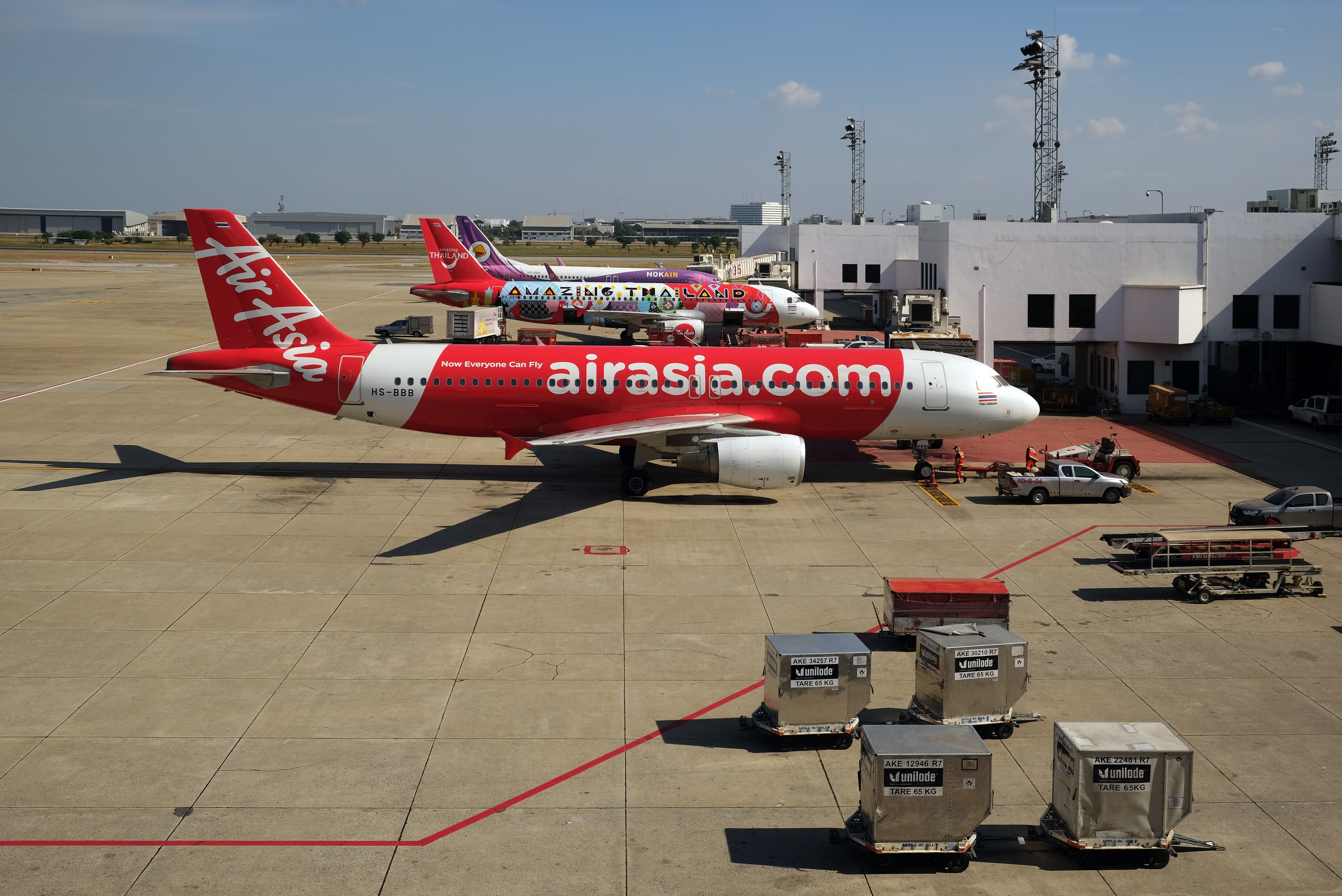
Lịch bay dày, nên bạn hiếm khi phải dựng hành trình xoay quanh một chuyến duy nhất trong ngày. Từ Bangkok Suvarnabhumi mỗi ngày có bảy hoặc tám chuyến bay thẳng đi Hà Nội và khoảng mười chuyến đi Thành phố Hồ Chí Minh, và cả hai con số đều tăng trở lại trong mùa đông. Thai Airways và Vietnam Airlines giữ phân khúc dịch vụ trọn gói, Vietjet, Thai VietJet và Vietravel bổ sung các mức giá thấp hơn, còn Bangkok Airways bán chính các chuyến của Vietnam Airlines theo hình thức liên danh.
Ở phía Thái Lan có một chi tiết đủ sức làm hỏng trọn một ngày. Bangkok có hai sân bay. Suvarnabhumi (BKK) là cửa ngõ quốc tế lớn hơn, đảm nhận phần lớn lưu lượng đường dài và khu vực của các hãng dịch vụ đầy đủ. Don Mueang (DMK) là sân bay cũ hơn, nay xử lý phần lớn hơn các chuyến bay giá rẻ trong khu vực, trong đó có những chuyến bay thẳng của Thai AirAsia đến cả hai cửa ngõ Việt Nam. Hai sân bay nằm ở hai phía đối diện của thành phố, nên khi vé quốc tế hạ ở sân bay này còn vé nội địa Thái lại xuất phát từ sân bay kia trong cùng một ngày, khoảng cách đó phải được tính bằng giờ thật chứ không phải bằng bản đồ. Phần lớn hành trình cao cấp khởi hành từ Suvarnabhumi, cùng với mạng lưới đường dài quốc tế.

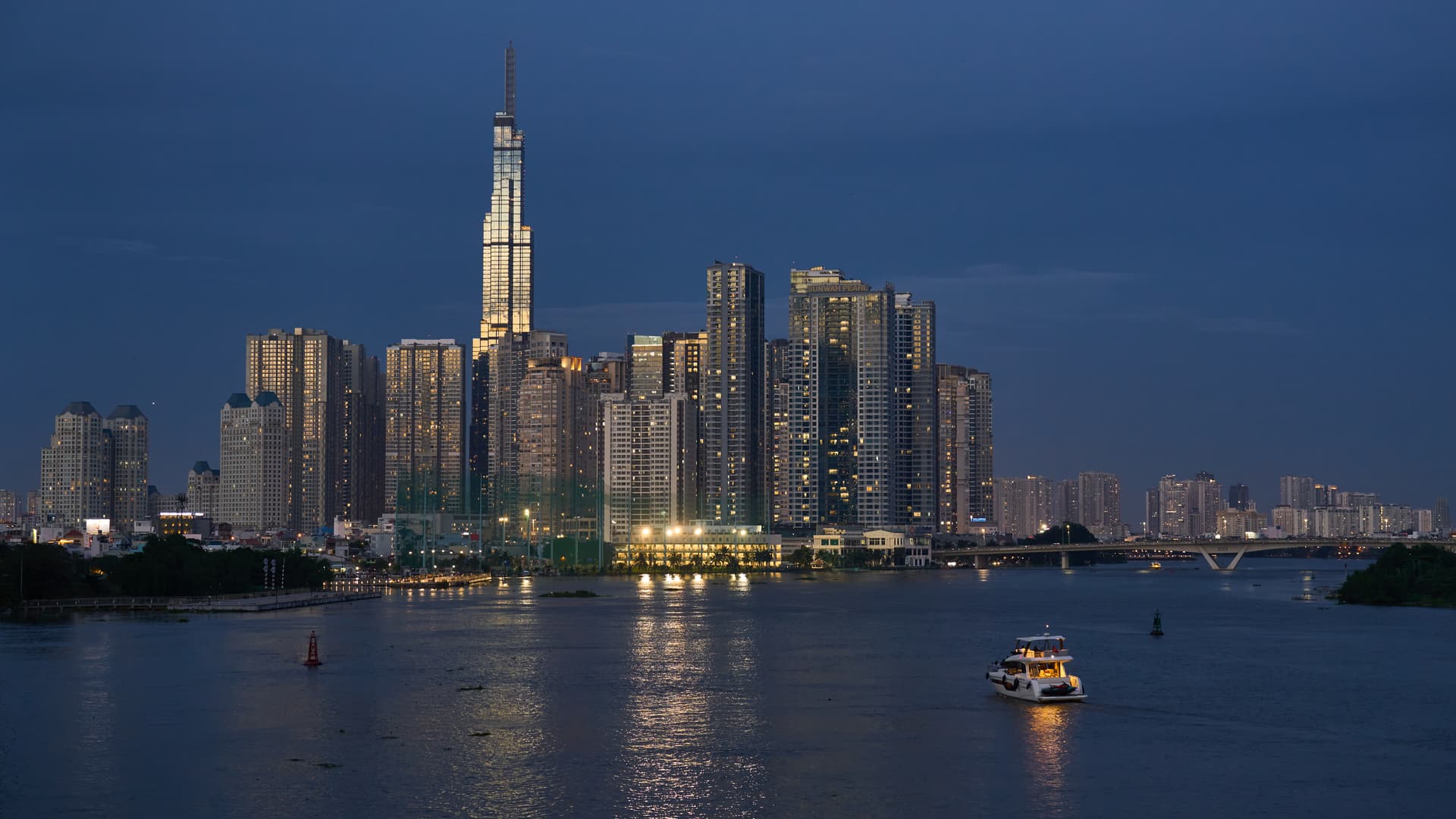
Đầu Việt Nam thì bạn rành hơn chúng tôi, nên ở đây chỉ nói phần dính tới lịch bay phía Thái. Hà Nội (HAN) và Thành phố Hồ Chí Minh, tức Sài Gòn (SGN), là hai cửa ngõ có lịch bay dày từ Thái Lan, và cả hai đều nhận được chuyến bay thẳng từ cả hai sân bay Bangkok. Đà Nẵng (DAD) là trường hợp khác: chỉ nối với Bangkok, qua cả hai sân bay của Bangkok, và không nối với nơi nào khác ở Thái Lan. Với một chương trình dựng quanh miền Trung, Đà Nẵng vẫn là cửa ngõ hợp lý, chỉ là muốn bay thẳng thì chặng Thái Lan phải khép lại ở Bangkok.

Mục tiêu của mọi chuyến đi hai nước là một chặng quốc tế gọn gàng và không phải vòng lại. Đoàn bay vào một nước, đi xuyên qua nước đó theo một hướng hợp lý, qua biên giới một lần, rồi bay về từ nước còn lại. Đặt chặng bay này cùng lúc với các chuyến bay nội địa thì thời gian nối chuyến còn hợp lý; để đến sau cùng mới tính thì chỉ một chuyến trễ giờ cũng đủ đe dọa chặng kế tiếp, và người nhận cuộc gọi lúc đó là bạn.
Bay sang từ sân bay Thái Lan nào
Đây là quyết định âm thầm lấy mất trọn một ngày của đoàn, bởi bốn sân bay khởi hành ở Thái Lan không phải nơi nào cũng bay thẳng được đến cả hai cửa ngõ Việt Nam.
| Khởi hành từ | Bay thẳng đến Hà Nội | Bay thẳng đến Thành phố Hồ Chí Minh |
|---|---|---|
| Bangkok Suvarnabhumi (BKK) | có, bảy hoặc tám chuyến mỗi ngày | có, khoảng mười chuyến mỗi ngày |
| Bangkok Don Mueang (DMK) | có, hãng giá rẻ, vài chuyến mỗi ngày | có, hãng giá rẻ, vài chuyến mỗi ngày |
| Chiang Mai (CNX) | có, năm chuyến mỗi tuần | chưa có, từ 25 tháng 10 năm 2026 có bốn chuyến mỗi tuần |
| Phuket (HKT) | không, phải nối một điểm dừng | có, mười một hoặc mười hai chuyến mỗi tuần, lên hai chuyến mỗi ngày từ 25 tháng 10 năm 2026 |
Đã đối chiếu với lịch bay của các hãng vào ngày 12 tháng 9 năm 2026. Đường bay và tần suất thay đổi theo mùa, nên chúng tôi luôn kiểm tra lịch bay trực tiếp trong lúc lên kế hoạch.
Bangkok là lựa chọn mặc định. Nơi đây có lịch bay dày đặc nhất đến cả hai cửa ngõ Việt Nam và kết nối với các chuyến bay đường dài ở hai đầu chuyến đi. Nếu chặng Thái Lan khép lại tại thủ đô, chặng bay sang gần như không cần tính toán gì thêm.
Chiang Mai (CNX) là lựa chọn hữu ích, kèm một điểm cần lưu ý. Nơi đây có đường bay thẳng đến Hà Nội, nên đây là điểm bay sang tự nhiên khi chặng Thái Lan kết thúc ở phía bắc: một đoàn dành những ngày cuối giữa vùng đồi núi có thể bay thẳng sang thay vì vòng ngược về Bangkok. Điểm cần lưu ý là đường bay này khai thác năm chuyến mỗi tuần chứ không phải hằng ngày, nên phải đối chiếu với đúng ngày trong hồ sơ của bạn trước khi để hành trình phụ thuộc vào nó. Thành phố Hồ Chí Minh là phần thay đổi trong mùa đông này. Hiện từ Chiang Mai chưa có chuyến bay thẳng nào đến Thành phố Hồ Chí Minh, nên kết thúc ở miền Bắc Thái Lan rồi bắt đầu ở miền Nam Việt Nam đồng nghĩa với phải nối chuyến, quay lại qua Bangkok. Từ ngày 25 tháng 10 năm 2026, Vietjet khôi phục đường bay này với bốn chuyến mỗi tuần, lần đầu tiên kể từ năm 2024. Mọi chuyến khởi hành trước ngày đó vẫn phải nối chuyến, còn sau ngày đó thì nên đối chiếu với lịch bay trực tiếp chứ đừng mặc định là đã có.
Phuket (HKT) là hình ảnh phản chiếu, và là phía mạnh hơn trong hai nơi. Mỗi tuần có mười một hoặc mười hai chuyến bay thẳng đến Thành phố Hồ Chí Minh trên Vietjet và Vietnam Airlines, và từ ngày 25 tháng 10 năm 2026 sẽ lên hai chuyến mỗi ngày, nên một chuyến đi khép lại trên các bãi biển Andaman rồi mở lại ở Đồng bằng sông Cửu Long chỉ cần một chặng bay. Đi Hà Nội từ Phuket thì phải nối chuyến. Một chuyến nối một điểm dừng trong ngày có hơn việc ở lại thêm một đêm tại Bangkok để bắt chuyến bay thẳng hay không, điều đó tùy thuộc vào phần còn lại của hành trình.
Nguyên tắc chung: hãy bay sang từ nơi chặng Thái Lan kết thúc một cách tự nhiên, rồi để cửa ngõ mà sân bay đó thực sự bay tới được quyết định bạn bắt đầu ở đầu nào của Việt Nam.
Thực tế đường bộ và vì sao hầu hết chuyến đi bỏ qua phương án này
Câu hỏi này thường đến từ chính khách của bạn chứ không từ bạn, nên đây là câu trả lời gọn để đưa lại cho họ.
Đi đường bộ thì phải qua Lào hoặc Campuchia, và mất vài ngày.
Tuyến phía bắc chạy từ vùng đông bắc Thái Lan qua Lào rồi vào miền Bắc Việt Nam: những chặng xe khách hoặc tàu hỏa dài, ít nhất hai lần qua cửa khẩu. Tuyến phía nam đi qua Campuchia, thường là từ Bangkok đến Phnom Penh rồi tiếp tục đến Thành phố Hồ Chí Minh. Tuyến này đơn giản hơn, và vẫn là một hành trình kéo dài nhiều ngày với thủ tục thị thực riêng cho quốc gia nằm ở giữa.
Với phần lớn khách, phép tính đã ngã ngũ. Đường bộ biến một chuyến bay chín mươi phút thành hai hay ba ngày trên đường, thời gian dành cho việc di chuyển thay vì cho việc đến nơi, và thêm thủ tục nhập cảnh của một nước thứ ba vào chuyến đi vốn chỉ nhằm đi hai nước. Nó xứng đáng khi là một cuộc phiêu lưu có chủ đích qua Lào hoặc Campuchia, nơi chính cung đường mới là lý do lên đường. Nó không xứng đáng khi chỉ là cách đưa khách từ một bãi biển Thái Lan sang một thành phố Việt Nam. Ai thực sự bị cuốn hút bởi ý tưởng xuyên biên giới cần một dạng hành trình khác hẳn: một tuyến nhiều quốc gia được lên kế hoạch từ đầu, đưa các chặng đường bộ và khu vực vào chính trải nghiệm thay vì xem chúng như một bài toán quá cảnh. Đó không phải chặng Thái Lan bạn đang dựng.
Một lưu ý thực tế về việc qua biên giới. Đây là một đường biên giới quốc tế, nên mỗi nước tự đặt quy định nhập cảnh của mình và chúng hiếm khi trùng khớp. Điều khoản thị thực hay miễn thị thực của Thái Lan và của Việt Nam được ấn định riêng biệt, khách của bạn phải đáp ứng cả hai, và bất kỳ chặng đường bộ nào cũng kéo theo yêu cầu của một nước thứ ba. Chúng tôi duy trì bản phân tích cập nhật trong hướng dẫn về yêu cầu nhập cảnh và thị thực, rất đáng đọc trước khi chốt ngày.
Điều này ăn khớp với một chuyến đi hai nước ra sao
Khoảng cách và phương tiện là phần dễ nhất khi ghép Thái Lan với Việt Nam. Chặng bay đủ ngắn và tần suất đủ dày để hiếm khi ràng buộc hành trình, miễn là chặng Thái Lan khép lại ở một sân bay bay thẳng được tới cửa ngõ Việt Nam bạn muốn.
Chúng tôi cũng không đề nghị bán cho bạn chặng Việt Nam. Bạn có giấy phép, có đội và có nhà cung cấp ở nhà, và bạn chạy chặng đó tốt hơn chúng tôi. Thứ bạn mua là chặng Thái Lan.
Nên mối nối thật của chuyến đi không nằm ở đường biên giới, mà nằm giữa phần bạn tự vận hành và phần bạn mua từ chúng tôi. Mối nối đó rơi vào bạn theo mặc định, đơn giản vì khách gọi cho bạn chứ không gọi cho ai khác. Một chuyến bay trễ ở Suvarnabhumi trở thành cuộc gọi về phòng điều hành của bạn, và câu trả lời phải có sẵn trước khi đoàn khởi hành: ai đón, đón ở sân bay nào trong hai sân bay Bangkok, và ai gọi cho ai khi giờ bay đổi. Với phần dịch vụ do Pai Dai điều phối, báo giá ghi rõ những giấy tờ nào do chúng tôi chuẩn bị và ai liên hệ với khách trong chuyến đi.
Những câu hỏi còn lại là chuyện trình tự, và chúng thuộc về bạn: nước nào trước, mỗi nước bao nhiêu ngày, chuyến đi nên thăng hoa ở đâu. Đó là bài toán hành trình chứ không phải bài toán hậu cần, và chúng tôi bàn trong hướng dẫn về cách xây dựng hành trình hai nước cùng hướng dẫn về số ngày bạn cần. Chính chặng bay gọn gàng duy nhất được mô tả ở đây là thứ khiến một chuyến đi kết hợp có cảm giác như một hành trình duy nhất thay vì hai chuyến ghép lại. Mỗi nước có quãng riêng của mình, còn với khách, việc qua biên giới chỉ là một chặng bay ngắn.
Với một chương trình có chặng Thái Lan, chúng tôi lên kế hoạch chặng bay nối và các chuyến bay nội địa phía Thái cùng với dịch vụ mặt đất, xếp chúng song song với phần còn lại của lịch trình để lộ trình đứng vững trước những khung giờ thực tế chứ không phải trước một tấm bản đồ đầy hy vọng. Muốn bắt đầu, hãy gửi brief cho chúng tôi. Nếu công ty bạn chưa làm việc với chúng tôi, hãy xem cách chúng tôi làm việc với công ty lữ hành: giá net được cấp khi đăng ký đối tác, việc đăng ký miễn phí, không yêu cầu doanh số tối thiểu và không có điều khoản độc quyền.
Câu hỏi thường gặp
Thái Lan cách Việt Nam bao xa?
Còn tùy vào các thành phố, nhưng khoảng cách đều ngắn. Bangkok đến Hà Nội khoảng 990 km (615 mi) theo đường chim bay, còn Bangkok đến Thành phố Hồ Chí Minh khoảng 740 km (460 mi). Đây là khoảng cách đường chim bay xấp xỉ; bằng đường hàng không, chặng này mất chừng hai giờ ở cả hai chiều.
Có thể di chuyển bằng đường bộ giữa Thái Lan và Việt Nam không?
Không đi thẳng được, bởi hai nước không có chung đường biên giới trên bộ. Lào và Campuchia nằm xen giữa, nên mọi hành trình đường bộ đều phải đi qua một nước thứ ba và mất vài ngày với những chặng đường bộ hoặc đường sắt dài cùng nhiều lần qua cửa khẩu. Cách này hợp lý khi bán như một hành trình chậm có chủ đích; với một chuyến đi hai nước thông thường thì gần như ai cũng bay.
Chuyến bay từ Bangkok đến Hà Nội mất bao lâu?
Khoảng một giờ bốn mươi phút đến hai giờ nếu bay thẳng. Mỗi ngày có bảy hoặc tám chuyến từ Suvarnabhumi trên Thai Airways, Vietnam Airlines, Vietjet và Vietravel, cùng một vài chuyến nữa từ Don Mueang trên Thai AirAsia, nên thường có nhiều khung giờ khởi hành để chọn.
Những sân bay nào kết nối Thái Lan và Việt Nam?
Về phía Thái Lan, Bangkok Suvarnabhumi (BKK) là trung tâm dịch vụ đầy đủ chính, còn Don Mueang (DMK) đảm nhận các chuyến bay giá rẻ trong khu vực. Chiang Mai (CNX) bay thẳng tới Hà Nội, và từ ngày 25 tháng 10 năm 2026 bay thẳng tới cả Thành phố Hồ Chí Minh; Phuket (HKT) chỉ bay thẳng tới Thành phố Hồ Chí Minh. Về phía Việt Nam, các cửa ngõ là Hà Nội (HAN) cho miền Bắc và Thành phố Hồ Chí Minh, hay Sài Gòn (SGN), cho miền Nam, cùng Đà Nẵng (DAD) phục vụ dải duyên hải miền Trung và chỉ nối với Bangkok.
Di chuyển giữa Thái Lan và Việt Nam bằng cách nào?
Bằng một chuyến bay ngắn duy nhất. Hai nước không có chung biên giới, nên bay là cách gần như tất cả mọi người qua lại: Bangkok đến Hà Nội chừng hai giờ, Bangkok đến Thành phố Hồ Chí Minh chừng một tiếng rưỡi, nhiều chuyến mỗi ngày. Mục tiêu là một chặng quốc tế gọn gàng, không vòng lại, được lên kế hoạch cùng lúc với các chuyến bay nội địa chứ không để sau cùng.
Có chuyến bay thẳng từ Chiang Mai đến Thành phố Hồ Chí Minh không?
Hiện thì chưa, nhưng điều đó thay đổi từ ngày 25 tháng 10 năm 2026, khi Vietjet khôi phục đường bay với bốn chuyến mỗi tuần. Trước mốc đó, chặng này phải nối chuyến, thông thường là qua Bangkok. Chiang Mai có đường bay thẳng đến Hà Nội với năm chuyến mỗi tuần. Phuket thì ngược lại: mười một hoặc mười hai chuyến bay thẳng mỗi tuần đến Thành phố Hồ Chí Minh, còn đi Hà Nội thì phải nối chuyến. Hãy chốt cửa ngõ Việt Nam trước, rồi mới ấn định chặng Thái Lan kết thúc ở đâu.
Nên bay sang Việt Nam từ Bangkok, Chiang Mai hay Phuket?
Hãy bay sang từ nơi chặng Thái Lan kết thúc một cách tự nhiên, rồi để sân bay đó quyết định bạn bắt đầu ở đầu nào của Việt Nam. Bangkok bay tới cả hai cửa ngõ với nhiều chuyến mỗi ngày. Chiang Mai bay thẳng tới Hà Nội, và tới Thành phố Hồ Chí Minh từ ngày 25 tháng 10 năm 2026. Phuket chỉ bay thẳng tới Thành phố Hồ Chí Minh. Chúng tôi khớp thành phố khởi hành ở phía Thái với hành trình của bạn để lộ trình chạy theo một hướng, không có ngày di chuyển lãng phí.
Về tác giả
Wanwisa Puengsawang
Giám đốc điều hành, Pai Dai DMC
Wanwisa Puengsawang, hay còn gọi là Sally, là Giám đốc điều hành của Pai Dai DMC. Bà dẫn dắt hoạt động mặt đất của công ty tại Thái Lan và Việt Nam, làm việc trực tiếp với các nhà điều hành tour bán sỉ, đơn vị tổ chức MICE và khách hàng cá nhân.
Tìm hiểu thêm về Pai Dai DMCDành cho công ty lữ hành
Đang lên chương trình Thái Lan hoặc Việt Nam?
Sau khi nhận được brief đầy đủ thông tin, chúng tôi gửi báo giá chậm nhất vào cùng thời điểm trong ngày làm việc tiếp theo. Yêu cầu báo giá cho hành trình nhiều quốc gia phức tạp hoặc chuyến đi vào mùa cao điểm có thể cần thêm thời gian; chúng tôi thông báo thời hạn mới ngay khi xác nhận đã nhận yêu cầu.