Một tuần ở miền Bắc Thái Lan: ví dụ lên chương trình từ Chiang Mai tới Chiang Rai


Wanwisa Puengsawang
Giám đốc điều hành, Pai Dai DMC
Đây là ví dụ lên chương trình dựng trên lịch trình mẫu Khám Phá Miền Bắc Thái Lan đã công bố, không phải bản tường thuật một chuyến đã chạy cho khách. Bài viết đi qua những quyết định phía sau tuyến 7 ngày 6 đêm đó: đêm nào nằm ở đâu và vì sao, ngày di chuyển đặt thế nào, và hai ngày nào phải kiểm tra trước khi bán. Nhà cung cấp, ngày đi, tình trạng chỗ và giá được xác nhận trong báo giá.
Tuyến này dành cho đoàn nào
Tuyến hợp với những đoàn mà khách đã đi Bangkok và biển đảo, nay muốn đi miền Bắc theo đúng nhịp của vùng này. Một tuyến chạy khắp nước trong một tuần thường chỉ để lại cho Chiang Mai một ngày, còn Chiang Rai chỉ kịp một điểm dừng. Những khách này cần thời gian cho các chùa Lanna, cho ẩm thực miền Bắc, cho một đêm ở bản và cho vùng biên giới dọc sông Mekong. Với họ, sản phẩm đúng là cả một tuần chỉ ở miền Bắc.
Sáu đêm, ba điểm neo
Lịch trình mẫu ngủ ở ba nơi: ba đêm Chiang Mai, một đêm trên vùng đồi hướng Mae Chaem, hai đêm Chiang Rai. Mỗi điểm có một việc riêng.
Chiang Mai đứng đầu vì đến đó dễ. Sân bay chỉ cách khu phố cổ có tường thành khoảng hai mươi phút, nên ngày đến vẫn còn nguyên buổi chiều. Sáng hôm sau lên chùa Wat Phra That Doi Suthep thật sớm, trước khi mây tụ trên núi và đám đông giữa trưa kéo tới. Các chùa Lanna trong phố cổ như Wat Chedi Luang và Wat Phra Singh để dành cho buổi chiều muộn, khi trời đã dịu. Ngày thứ ba chia đôi giữa một buổi thăm voi và một lớp nấu ăn miền Bắc mở đầu bằng một vòng đi chợ. Nửa ngày thăm voi còn tùy kết quả kiểm tra cơ sở, nói ở phần dưới.

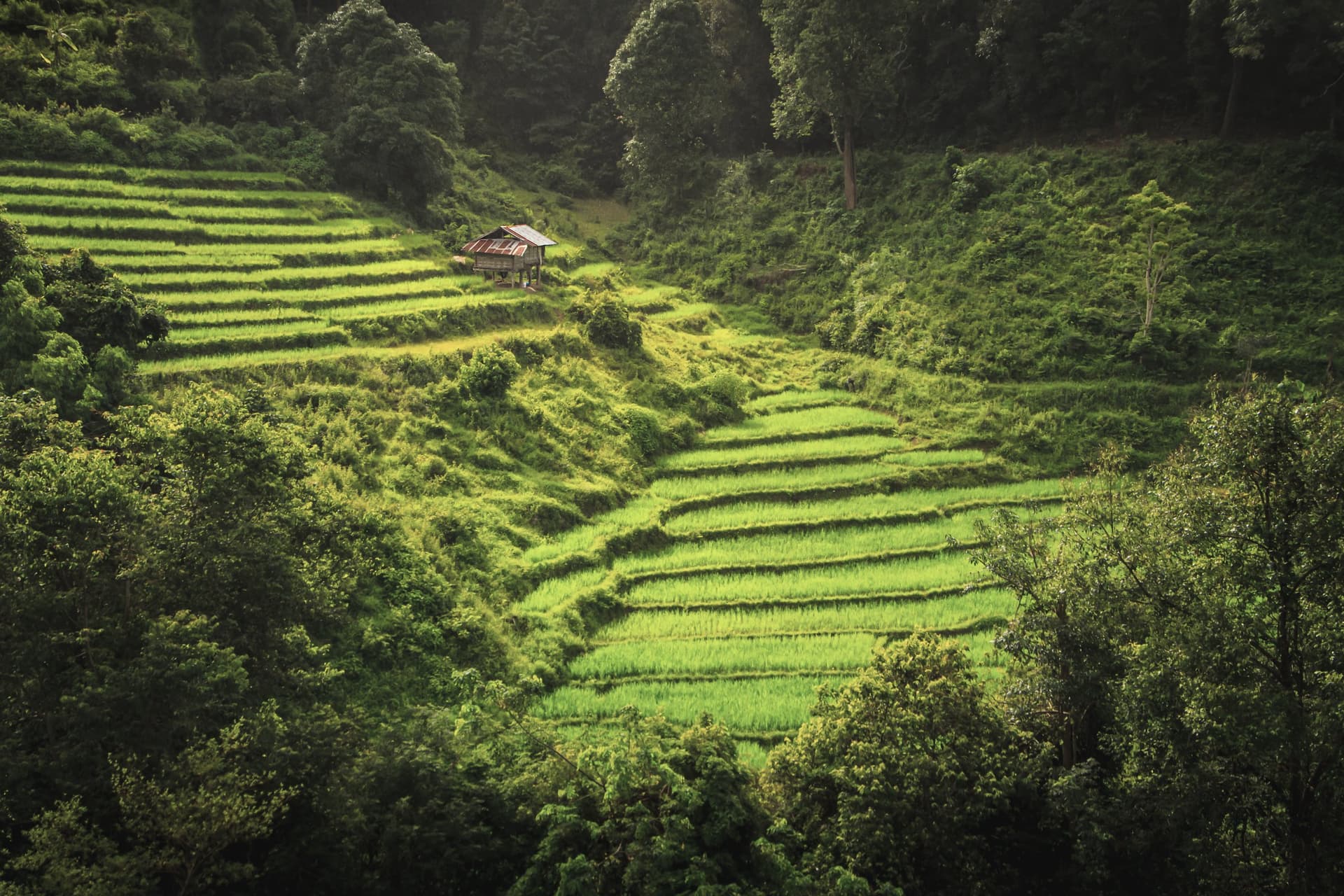
Vùng đồi chỉ có một đêm, ở một homestay do cộng đồng vận hành hướng Mae Chaem. Đây là đêm cần chuẩn bị kỹ hơn mọi đêm khác trên tuyến.
Chiang Rai có hai đêm trong cùng một khách sạn, nên đoàn không phải dọn hành lý giữa hai ngày. Buổi chiều đầu dành cho Chùa Trắng (Wat Rong Khun) và Chùa Xanh (Wat Rong Suea Ten). Hôm sau đoàn lên điểm ngắm Tam Giác Vàng, đi thuyền trên sông Mekong rồi vào bảo tàng Hall of Opium. Sáng cuối, xe ra sân bay được canh theo giờ bay của từng người. Từ đây đoàn bay tiếp xuống phía nam qua Chiang Mai hoặc Bangkok, hoặc đi tiếp qua biên giới.
Hai chặng đường bộ là hai ngày di chuyển
Tuyến có hai chặng đường bộ: từ Chiang Mai lên vùng đồi, và từ vùng đồi lên Chiang Rai. Lịch trình mẫu đặt mỗi chặng vào đầu một ngày, giữa hai điểm neo, để giờ ngồi xe không dồn vào cuối một ngày đã dài. Đường lên vùng đồi đi trước chuyến thăm bản, và đường lên Chiang Rai đi trước buổi chiều thăm chùa.
Trong ngày di chuyển, đừng hứa trọn một buổi chiều tham quan khi chưa biết ba điều: đoàn tới nơi lúc nào, cần nghỉ bao lâu, và các điểm đóng cửa lúc mấy giờ. Nếu đoàn tới Chiang Rai muộn, phần nào sẽ dời và dời sang lúc nào nên được thống nhất từ trước. Chốt chuyện đó lúc lên chương trình nhẹ hơn nhiều so với lúc cả đoàn đứng trước một cổng chùa đã đóng.
Kiểm tra buổi thăm voi và đêm homestay trước khi bán
Với ngày thăm voi, Pai Dai áp dụng bốn tiêu chuẩn tối thiểu cho mọi cơ sở voi: không cưỡi voi; không để khách tắm hay kỳ cọ cho voi; không cho ăn bằng tay hay tiếp xúc không có rào chắn; không có biểu diễn. Cơ sở phải đạt đủ cả bốn thì ngày đó mới được bán. Cơ sở dự kiến cho tuyến này vẫn đang được thẩm định theo bốn tiêu chuẩn đó, nên báo giá sẽ ghi rõ buổi thăm voi đã được xác nhận hay được thay bằng một ngày văn hóa hoặc thiên nhiên khác. Một cái tên có chữ "sanctuary", một tấm ảnh hay một chỗ trong danh sách giới thiệu đều không chứng minh được tiêu chuẩn nào trong bốn. Không hạ tiêu chuẩn chỉ để giữ một dòng trong lịch trình.
Đêm homestay cần một kiểu kiểm tra khác. Hãy xác nhận ai là chủ nhà, giường và nhà tắm ra sao, quy định chụp ảnh thế nào, và cộng đồng đồng ý đón khách ở những hoạt động nào. Đời sống của bản không phải một tiết mục để xếp vào lịch khi người dân chưa đồng ý. Khách nên mang một túi gọn cho một đêm, hành lý chính để lại trên xe nếu cơ sở cho phép. Đêm trên vùng đồi vào mùa đông se lạnh, nên trong túi qua đêm cần có áo ấm.
Báo giá cần thể hiện những gì
Lịch trình mẫu cho anh chị thấy khung của tuyến; báo giá mới biến khung đó thành một chương trình bán được. Khi nhận báo giá, hãy kiểm tra:
- tên khách sạn và homestay khi đã xác nhận (lịch trình mẫu dùng một khách sạn boutique trong khu phố cổ Chiang Mai, một homestay cộng đồng trên vùng đồi và một khách sạn ở trung tâm thị trấn Chiang Rai);
- loại xe cho các chặng đường bộ (lịch trình mẫu dùng xe coach riêng);
- ai dẫn đoàn vào những ngày nào: lịch trình mẫu có một hướng dẫn viên trưởng người Thái có giấy phép đi suốt tuyến, thêm hướng dẫn viên địa phương ở các chùa lớn và một chủ nhà cộng đồng dẫn ngày ở bản;
- ngôn ngữ hướng dẫn: lịch trình mẫu làm việc bằng tiếng Anh và tiếng Tây Ban Nha, ngôn ngữ khác theo yêu cầu, và phải được xác nhận cho đúng ngày đi; nếu đoàn cần hướng dẫn viên nói tiếng Việt, hãy nêu ngay trong brief đầu tiên;
- bữa ăn đã bao gồm trong từng ngày;
- hoạt động nào đã xác nhận, hoạt động nào là tùy chọn, trong đó buổi thăm voi được ghi rõ là đã xác nhận hay đã được thay;
- ai báo cho công ty lữ hành khi thời tiết, đường vào hay tình trạng chỗ làm kế hoạch thay đổi.
Báo giá cũng ghi tên công ty Pai Dai ký hợp đồng với anh chị.
Muốn tính giá tuyến này cho ngày đi của khách, hãy gửi brief qua biểu mẫu dành cho công ty lữ hành, kèm khoảng thời gian đi, số khách, cách chia phòng và ngôn ngữ hướng dẫn cần có. Trang cách chúng tôi làm việc với công ty lữ hành nói rõ việc đăng ký và giá net dành cho đối tác.
Câu hỏi thường gặp
Đây có phải là chuyến Pai Dai đã chạy cho khách không?
Không. Đây là ví dụ lên chương trình dựng trên lịch trình mẫu Khám Phá Miền Bắc Thái Lan đã công bố, và không mô tả một đoàn nào đã đi. Hãy dùng nó để xem cả tuần khớp với nhau thế nào và cần xác nhận những gì. Khách sạn, hướng dẫn viên, giá và tình trạng chỗ cho ngày đi của anh chị được chốt trong báo giá.
Có đổi số đêm được không?
Được. Muốn đi chậm hơn, có thể thêm một đêm ở một điểm neo, hoặc bỏ một điểm neo và dồn số đêm cho hai điểm còn lại. Thay đổi nào cũng làm dịch các ngày di chuyển, nên hãy kiểm tra lại hai chặng đường bộ trước khi gửi lịch trình cho khách.
Buổi thăm voi đã được xác nhận chưa?
Chỉ khi cơ sở đạt đủ bốn tiêu chuẩn: không cưỡi voi, không để khách tắm hay kỳ cọ cho voi, không cho ăn bằng tay hay tiếp xúc không có rào chắn, không có biểu diễn. Cơ sở cho tuyến này vẫn đang được thẩm định. Báo giá ghi rõ buổi thăm voi đã được xác nhận hay được thay bằng một ngày văn hóa hoặc thiên nhiên khác.
Tuần này nối với phần còn lại của Thái Lan hoặc với Việt Nam được không?
Được. Từ Chiang Rai, đoàn có thể bay xuống phía nam qua Chiang Mai hoặc Bangkok, hoặc đi tiếp qua biên giới, và tuần này cũng ghép được với chặng Việt Nam do anh chị vận hành. Bài chặng Thái Lan cần bao nhiêu đêm giúp tính số đêm khi khách nối từ Việt Nam sang.
Về tác giả
Wanwisa Puengsawang
Giám đốc điều hành, Pai Dai DMC
Wanwisa Puengsawang, hay còn gọi là Sally, là Giám đốc điều hành của Pai Dai DMC. Bà dẫn dắt hoạt động mặt đất của công ty tại Thái Lan và Việt Nam, làm việc trực tiếp với các nhà điều hành tour bán sỉ, đơn vị tổ chức MICE và khách hàng cá nhân.
Tìm hiểu thêm về Pai Dai DMCDành cho công ty lữ hành
Đang lên chương trình Thái Lan hoặc Việt Nam?
Sau khi nhận được brief đầy đủ thông tin, chúng tôi gửi báo giá chậm nhất vào cùng thời điểm trong ngày làm việc tiếp theo. Yêu cầu báo giá cho hành trình nhiều quốc gia phức tạp hoặc chuyến đi vào mùa cao điểm có thể cần thêm thời gian; chúng tôi thông báo thời hạn mới ngay khi xác nhận đã nhận yêu cầu.