هل تايلاند وفيتنام آمنتان للمسافرات المنفردات؟


Wanwisa Puengsawang
الرئيسة التنفيذية لشركة Pai Dai DMC
الجواب الصادق هو نعم، بتفاصيل. تُعدّ كلٌّ من تايلاند وفيتنام من بين أيسر وجهات العالم لسفر المرأة المنفردة، مع معدلات منخفضة من جرائم العنف ضد السياح وثقافة من العون اليومي، ولهذا تسافرهما نساء كثيرات بمفردهنّ سعيدات. لكن الطمأنة العامة بأن مكاناً ما آمن جداً ليست مفيدة للعميل، لذا فالجواب الأفضل يُسمّي المخاطر الحقيقية، من سرقات صغيرة، وتنقل ليلاً، وعمليات احتيال، والعادات التي تديرها. وأكثر الأخطار شيوعاً هو الطريق لا الاعتداء. يمنح هذا الدليل الشركاء التجاريين شيئاً محدداً ليمرّروه إلى عميلة منفردة، ويغطّي دليلانا حول جواز السفر المفقود وقواعد الدخول ما تبقّى.
ما مدى أمان تايلاند وفيتنام حقاً
بالمقاييس التي تهمّ المسافرة المنفردة، يبلي البلدان حسناً: الجرائم الخطيرة ضد السياح غير شائعة، وتسافر النساء بانتظام بمفردهنّ في المدن وعلى الجزر، وفقدان الهاتف أرجح بكثير من لقاء خطر. تلك هي القاعدة الصادقة، وينبغي أن تطمئن دون أن تُطفئ الحُكم. والتحفّظات عادية لا مثيرة للقلق. فالمناطق الكثيفة سياحياً تجذب السرقة الانتهازية والمغالاة في الأسعار، وأحياء الحياة الليلية تحمل المخاطر ذاتها التي تحملها في أي مكان، والبقاع المعزولة في وقت متأخر من الليل تستحق الحذر الذي يطبّقه أي مسافر في وطنه. والإطار الصحيح للعميلة ليس الخوف ولا الطمأنينة العامة، بل وعي السفر الطبيعي في مكان هو في مجمله مرحّب وقابل للإدارة لامرأة بمفردها.
المخاطر الحقيقية، وكيفية إدارتها
تغطّي ثلاث فئات كل ما تواجهه المسافرة المنفردة فعلاً تقريباً. الأولى السرقات الصغيرة: خطف الحقائب، والنشل في الزحام، وأخذ الأغراض من طاولة دون مراقبة، وكلها تقلّ بحمل القليل، وإبقاء الحقيبة مغلقة وأمام الجسم، وترك الثمينات في خزنة الغرفة. والثانية التنقل، وهي الأكثر استهانةً، لأن حركة المرور الفوضوية وسيارات الأجرة بلا عدّاد تسبّب متاعب أكثر مما تسبّبه الجريمة. والثالثة عمليات الاحتيال: حيلة المعبد المغلق، وعرض الأحجار الكريمة أو الخياطة، وعدّاد سيارة الأجرة المتلاعَب به، والجولة المغرية أكثر من اللازم، وكلها تُبطَل بالحجز عبر قنوات موثوقة ورفض العون غير المطلوب بأدب لكن بحزم. ولا شيء من هذا سبب لتفادي المنطقة؛ إنها البنود الدقيقة لقطعها على نحو جيد، والمشغّل الجيد يزيل معظمها قبل أن تصل العميلة أصلاً.
التنقل بأمان
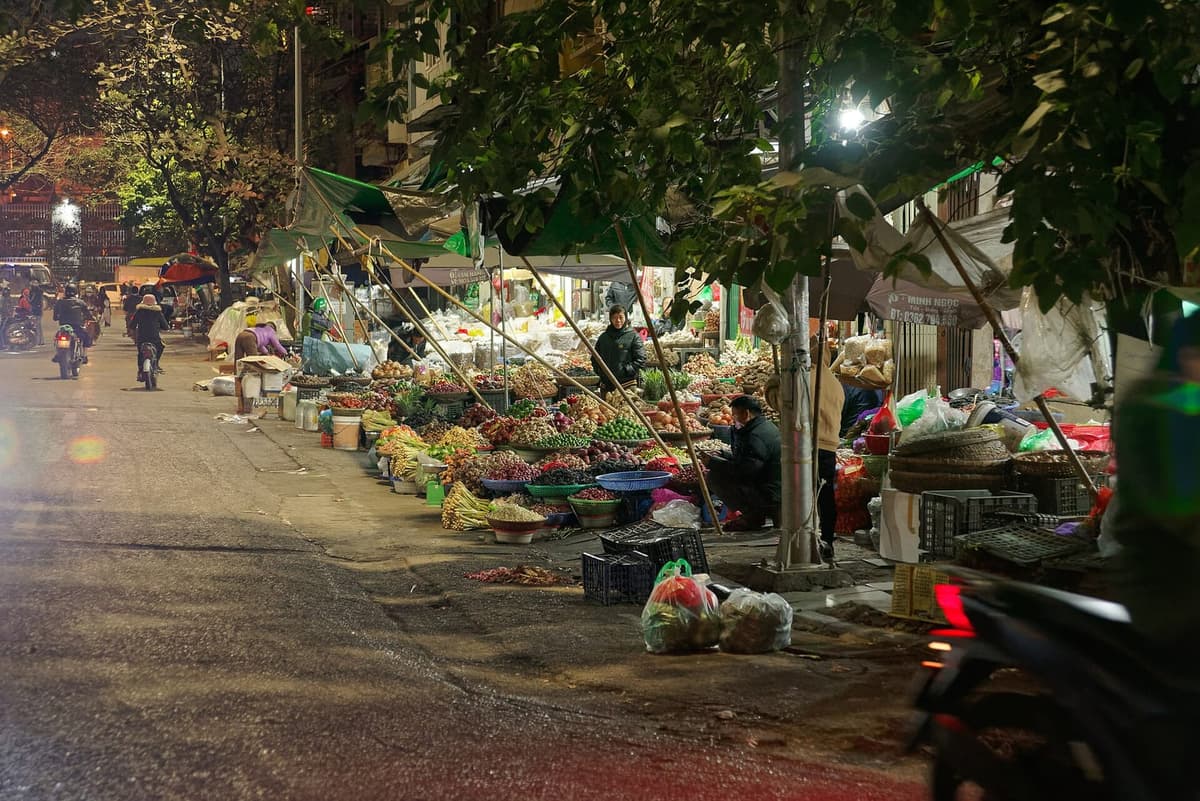
التنقل هو حيث تتفوّق النصيحة المحددة على الطمأنة العامة. في البلدين، تكون تطبيقات طلب النقل الموثوقة أفضل عادة منفردة للمسافرة المنفردة، لأن الأجرة والمسار والسائق كلها مسجّلة، وهو ما يزيل المساومة والغموض بعد حلول الظلام في سيارة أجرة من الشارع. ولوصول المطار والتنقلات المسائية نرتّب وسائل نقل خاصة، فتُستقبَل العميلة بسائق محدّد الاسم بدلاً من التفاوض عند موقف. وسيارات الأجرة من الدراجات النارية في كل مكان ورخيصة، لكننا نوجّه العميلات المنفردات نحو السيارات ما لم تكنّ واثقات، ودائماً بخوذة. وثمة عادة خاصة بفيتنام تستحق تعليمها لكل عميلة: امشِ وحقيبتك على جانب المباني من الرصيف لا جانب الطريق، لأن خطف الحقائب النادر يأتي من دراجة نارية عابرة. القواعد الصغيرة، إذا طُبّقت باطّراد، تمنع الغالبية العظمى من المشكلات.
الحياة الليلية والأجواء الاجتماعية
تستطيع المرأة المنفردة أن تستمتع بحانات وأسواق هانوي وبانكوك وشيانغ ماي وهوي آن الليلية بالوعي ذاته الذي تستخدمه في أي مكان. والعادات الحكيمة تنفع في كل مكان: راقبي مشروبك، وفضّلي الأماكن الأكثر ازدحاماً والجيدة الإضاءة، واحتفظي بشحن ونقود تكفيان لرحلة العودة، وثِقي بحدس يقول إنه حان وقت المغادرة. وتخدير المشروبات غير شائع لكنه ليس مجهولاً في أكثر بقاع الحفلات ازدحاماً، لذا ينطبق الحذر المعتاد لا الذعر. وودّ كلتا الثقافتين حقيقي وجزء من متعة السفر هنا، وقبوله مع الإبقاء على الحدود ذاتها التي تبقينها في وطنك هو التوازن الصحيح تماماً. ويسعدنا أن نرشد العملاء إلى المناطق والأماكن التي تناسب سهرة مسائية منفردة.
احترام الثقافة واللباس
اللباس بقليل من الوعي يتعلق بالاحترام واليُسر لا بالقواعد، وهو يقلّل أيضاً الانتباه غير المرغوب. تتوقّع المعابد والقصور في البلدين تغطية الكتفين والركبتين، لذا فوشاح خفيف وتنّورة أطول أو بنطال في الحقيبة يجعلان كل موقع مقدّس متاحاً دون تدبّر في اللحظة الأخيرة. وخارج المعابد، يكون اللباس مريحاً في المناطق السياحية والشاطئية وأكثر احتشاماً بقليل في الأجواء الريفية والتقليدية، ومجاراة العُرف المحلي مجرّد لياقة تلقى ترحيباً عادةً. ولا شيء من هذا يقيّد الرحلة؛ بل يجعلها أكثر سلاسة. ونحن نُحيط العملاء علماً بما يتوقّعه كل موقع حتى لا يُمنعوا أبداً عند باب معبد أو يُجعَلوا يشعرون بأنهم لافتون للنظر، وهو نوع التفاصيل الصغيرة الذي يجعل السفر المنفرد يبدو سهلاً بلا جهد.
كيف ندعم العميلات المنفردات
هنا يثبت المشغّل المحلي جدارته للمسافرة المنفردة. نرتّب سائقين مدقَّقين ومرشدين مرخّصين، ونستطيع توفير مرشدة عند الطلب، ونختار أماكن الإقامة من حيث الموقع والأمان فضلاً عن الطراز، مفضّلين الأماكن حسنة الموقع جيدة الإضاءة على المعزولة. وتذكر مستندات الحجز جهات الاتصال أثناء الرحلة ومسار التصعيد، فتعرف العميلة بمن تتصل إن تغيّرت خطة أو طرأ أمر. وحين تحجز وكالة، تحتفظ بعلاقتها مع عميلتها، ويبيّن عرض السعر المستندات التي نعدّها ومن يتواصل مع المسافرة أثناء الرحلة. إن كنت وكيل سفر، فأرسل إلينا مواعيد عميلتك ومسار رحلتها عبر نموذج الاستفسار الخاص بالوكالات، واقرأ دليلنا حول كيفية تدقيق شركة إدارة وجهات لمعرفة كيف ينبغي أن يبدو ذلك الدعم على الأرض. وإن كنتِ تخطّطين رحلتك بنفسك، فأخبرينا بمواعيدك عبر صفحة التخطيط للرحلة.
الأسئلة الشائعة
هل تايلاند آمنة للمسافرات المنفردات؟
نعم، إجمالاً. تايلاند من أكثر بلدان آسيا راحةً للنساء المسافرات بمفردهنّ، مع معدلات منخفضة من جرائم العنف ضد السياح ومدن ميسّرة واجتماعية مثل بانكوك وشيانغ ماي. والمخاطر الواقعية هي السرقات الصغيرة، وعمليات الاحتيال، والتنقل لا السلامة الشخصية، وكلها قابلة للإدارة بوعي عادي. واستخدام تطبيقات طلب النقل، والحجز عبر قنوات موثوقة، وتطبيق الحُكم الليلي الطبيعي يغطّي الغالبية العظمى من المواقف التي ستواجهها المسافرة المنفردة.
هل فيتنام آمنة للمسافرات المنفردات؟
نعم، بالحذر العادي ذاته. فيتنام مرحّبة وتسافرها نساء منفردات على نطاق واسع، والجرائم الخطيرة ضد السياح غير شائعة. والخطر البارز هو الطريق لا الجريمة: حركة المرور الكثيفة وخطف حقيبة من حين لآخر من دراجة نارية عابرة. والمشي وحقيبتك على جانب المباني من الرصيف، وعبور الشوارع ببطء وثبات، واستخدام تطبيقات النقل أو وسائل النقل المرتّبة، يعالج المخاطر الرئيسية. وفيما عدا ذلك، البلد ودود وبسيط للمسافرة المنفردة.
ما المخاطر الرئيسية للنساء المنفردات في تايلاند وفيتنام؟
تغطّي ثلاث فئات معظمها: السرقات الصغيرة مثل خطف الحقائب والنشل، ومشكلات التنقل من حركة المرور الفوضوية وسيارات الأجرة بلا عدّاد، وعمليات الاحتيال الموجَّهة إلى السياح. أما جرائم السلامة الشخصية فنادرة نسبياً. والدفاعات العملية هي حمل القليل وإبقاء الحقائب مغلقة وأمام الجسم، واستخدام تطبيقات نقل موثوقة أو وسائل نقل مرتّبة، وحجز الجولات والنقل عبر قنوات موثوقة بدلاً من قبول عروض الشارع غير المطلوبة.
كيف ينبغي للنساء المنفردات التنقل ليلاً؟
استخدمي تطبيق طلب نقل موثوقاً بدلاً من استيقاف سيارة أجرة من الشارع، لأن الأجرة والمسار والسائق مسجّلة. ولوصول المطار والتنقلات المسائية، تكون سيارة خاصة مرتّبة بسائق محدّد الاسم هي الأأمن. واحتفظي بشحن هاتف ونقود تكفيان للعودة، وفضّلي المسارات الأكثر ازدحاماً والجيدة الإضاءة، وتعاملي مع سيارات الأجرة من الدراجات النارية بحذر أكبر بعد حلول الظلام ما لم تكوني واثقة، ودائماً بخوذة. هذه العادات تزيل معظم الغموض في التنقل مساءً.
ماذا ينبغي أن ترتدي المسافرات المنفردات؟
اللباس مريح في المناطق السياحية والشاطئية وأكثر احتشاماً بقليل في الأجواء الريفية والتقليدية. والتوقّع الثابت الوحيد عند المعابد والقصور، التي تتطلب تغطية الكتفين والركبتين، لذا فحمل وشاح خفيف وتنّورة أطول أو بنطال يجعل كل موقع مقدّس متاحاً. ومجاراة العُرف المحلي في غير ذلك لياقة لا قاعدة، وهي تميل أيضاً إلى تقليل الانتباه غير المرغوب، ما يجعل الرحلة أكثر سلاسة إجمالاً.
هل من الآمن الخروج ليلاً بمفردك؟
نعم عموماً، بالطريقة ذاتها التي يكون بها في أي مدينة مزدحمة: بوعي لا بقلق. راقبي مشروبك، وفضّلي المناطق الجيدة الإضاءة والأكثر ازدحاماً، واحتفظي بوسيلة للعودة، وغادري حين يقول حدسك ذلك. وتخدير المشروبات غير شائع لكنه ممكن في أكثر أحياء الحفلات ازدحاماً، لذا طبّقي الحذر الذي تطبّقينه في وطنك. والحياة الليلية في بانكوك وشيانغ ماي وهانوي وهوي آن متاحة جداً للمسافرات المنفردات اللواتي يحافظن على الحدود العادية.
كيف يساعد المشغّل المحلي المسافرة المنفردة؟
بأمور ملموسة هي الأهمّ في السفر المنفرد: سائقون مدقَّقون ومرشدون مرخّصون، ومرشدة عند الطلب، وإقامة مختارة من حيث الموقع والأمان. وتذكر مستندات الحجز جهات الاتصال أثناء الرحلة ومسار التصعيد، فتعرف المسافرة بمن تتصل إن تغيّر شيء. وحين تحجز وكالة، تحتفظ بعلاقتها مع عميلتها، ويبيّن عرض السعر المستندات التي نعدّها ومن يتواصل مع المسافرة أثناء الرحلة. ويرسل الوكلاء مواعيد العميلة ومسار رحلتها عبر نموذج الاستفسار الخاص بالوكالات، أما المسافرة التي تخطّط رحلتها بنفسها فتخبرنا بمواعيدها عبر صفحة التخطيط للرحلة.
عن الكاتبة
Wanwisa Puengsawang
الرئيسة التنفيذية لشركة Pai Dai DMC
تتولى Wanwisa Puengsawang، المعروفة باسم Sally، منصب الرئيسة التنفيذية لشركة Pai Dai DMC، وتقود عملياتها الأرضية في تايلاند وفيتنام، وتعمل مباشرة مع مشغّلي جولات الجملة ومنظّمي فعاليات MICE والعملاء المباشرين.
المزيد عن Pai Dai DMCلوكلاء السفر
هل تخطّطون لرحلة إلى تايلاند أو فيتنام لأحد عملائكم؟
بعد استلام موجز مكتمل التفاصيل، نقدّم عرض سعر يتضمن أسعار الخدمات بحلول الوقت نفسه من يوم العمل التالي. قد نحتاج إلى وقت أطول للطلبات المعقّدة التي تشمل عدة بلدان أو لطلبات موسم الذروة؛ ونبيّن موعد التسليم المعدّل عند تأكيد استلام الطلب.