สนามบินไทยปี 2026: ค่าธรรมเนียมขาออก THIM และข้อเสนอค่าธรรมเนียมนักท่องเที่ยว


Wanwisa Puengsawang
ซีอีโอ Pai Dai DMC
ตรวจสอบล่าสุด: 2026-10-04
นี่คือคำแนะนำเชิงปฏิบัติ ไม่ใช่คำแนะนำทางการ โปรดยืนยันกฎระเบียบปัจจุบันกับแหล่งข้อมูลทางการก่อนเดินทางเสมอ
การบริหารจัดการสนามบินของไทยกำลังเปลี่ยนแปลงในปี 2026 ในสามทิศทางที่แยกจากกัน และสำหรับพันธมิตรทางการค้า สิ่งที่มีประโยชน์คือการแยกทั้งสามออกจากกัน หนึ่งคือการเปลี่ยนแปลงที่มีผลแล้วและซ่อนตัวอยู่ในราคาตั๋วอย่างเงียบๆ หนึ่งคือแอปขาเข้าที่ดาวน์โหลดได้แล้วควบคู่กับเว็บไซต์ TDAC เดิม และอีกหนึ่งคือข้อเสนอค่าธรรมเนียมนักท่องเที่ยวซึ่งต้องตรวจข้อกำหนดจัดเก็บฉบับสุดท้ายแยกต่างหาก เมื่อเข้าใจทั้งสามอย่างชัดเจน คุณจะสามารถบรีฟลูกค้าได้อย่างสะอาดแทนที่จะพูดตามข่าวลือ ต่อไปนี้คือการอ่านสถานการณ์เชิงปฏิบัติสำหรับพันธมิตรที่กำลังสร้าง กำหนดการในไทย และทริปแบบผสมข้าม จุดหมายปลายทาง หลักสองแห่งของเรา และควรอ่านคู่กับภาพรวมของเราเรื่อง ข้อกำหนดการเข้าประเทศไทยและเวียดนาม เนื้อหานี้เป็นคำแนะนำ ไม่ใช่คำปรึกษาทางกฎหมายหรือด้านตรวจคนเข้าเมือง จึงควรยืนยันสถานะปัจจุบันจากแหล่งข้อมูลทางการที่เราแนบลิงก์ไว้ก่อนเสนอราคาหรือจอง
ค่าธรรมเนียมขาออกเพิ่งขึ้น 53 เปอร์เซ็นต์
บริษัท ท่าอากาศยานไทย (AOT) ปรับขึ้นค่าบริการผู้โดยสารระหว่างประเทศจาก 730 เป็น 1,120 บาทต่อผู้โดยสารขาออกหนึ่งคน มีผลตั้งแต่ 20 มิถุนายน 2026 เพิ่มขึ้น 53 เปอร์เซ็นต์ ค่านี้ฝังอยู่ในราคาตั๋วเครื่องบิน ณ ช่วงเวลาที่ออกตั๋ว ดังนั้นตั๋วใดก็ตามที่ออกในวันที่ 20 มิถุนายนหรือหลังจากนั้นได้รวมอัตราที่สูงขึ้นไว้แล้ว ขณะที่ตั๋วที่ออกก่อนวันดังกล่าวยังคงอัตราเดิม 730 บาท ค่านี้ใช้กับผู้โดยสารทั้งชาวไทยและชาวต่างชาติที่เดินทางออกด้วยเที่ยวบินระหว่างประเทศจากสนามบิน AOT ทั้งหกแห่ง ได้แก่ สุวรรณภูมิ ดอนเมือง ภูเก็ต เชียงใหม่ แม่ฟ้าหลวง เชียงราย และหาดใหญ่ ค่าธรรมเนียมภายในประเทศไม่เปลี่ยนแปลงที่ 130 บาท ส่วนที่เพิ่มขึ้นต่อคนคือ 390 บาท ราวๆ 11 ดอลลาร์สหรัฐ ซึ่งมองข้ามได้ง่ายบนตั๋วใบเดียว แต่ยากที่จะมองข้ามเมื่อเป็นกลุ่มขนาดใหญ่ กลุ่ม 20 คนออกเดินทางแพงขึ้นราว 7,800 บาทเมื่อเทียบกับกลุ่มเดียวกันที่ออกตั๋วก่อนหน้าหนึ่งวัน กลุ่ม 30 คนราว 11,700 บาท และกลุ่ม 40 คนราว 15,600 บาท เนื่องจากมันอยู่ในค่าตั๋วมากกว่าเป็นรายการแยก มันจึงสร้างความประหลาดใจเฉพาะกับผู้ซื้อที่ไม่ได้คาดการณ์ไว้ ยืนยันตัวเลขปัจจุบันได้จาก ประกาศห้องข่าว ททท. ก่อนสร้างรายการต้นทุนขาออก
| ค่าธรรมเนียมขาออกระหว่างประเทศ | เดิม | เป็น |
|---|---|---|
| ต่อผู้โดยสารขาออก | 730 บาท | 1,120 บาท |
| วันที่มีผล | ก่อน 20 มิถุนายน 2026 | ในหรือหลัง 20 มิถุนายน 2026 |
| ค่าธรรมเนียมผู้โดยสารภายในประเทศ | 130 บาท | 130 บาท ไม่เปลี่ยนแปลง |
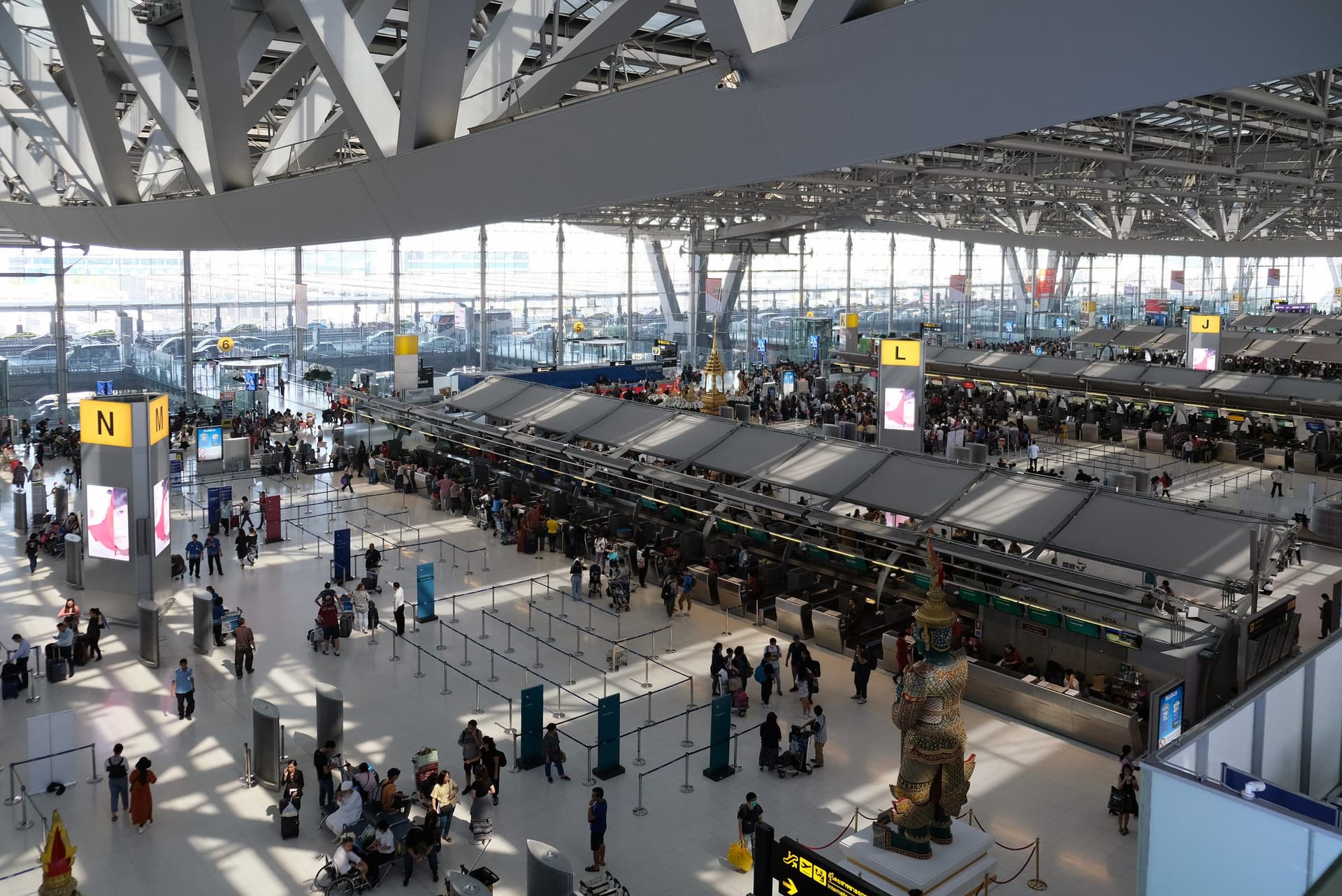
แอปขาเข้า THIM และสถานะการเปิดตัว
ประกาศของ ททท. เมื่อวันที่ 11 มิถุนายน 2026 กล่าวถึงการทดลองใช้ THIM แบบสมัครใจและแผนเปิดตัวเดือนสิงหาคม จึงใช้ยืนยันว่าวันนี้ยังเป็นการทดลองไม่ได้ รายการแอปทางการของ RoyalThaiPolice เปิดให้ดาวน์โหลดแล้ว และระบุการอัปเดตวันที่ 25 กันยายน 2026 พร้อมความสามารถในการส่งข้อมูลขาเข้าและข้อมูลแบบกลุ่ม ประกาศเดือนมิถุนายนกล่าวถึงการสแกนหนังสือเดินทาง การลงทะเบียนที่คาดว่าจะใช้เวลาไม่เกินสามนาทีต่อคน กลุ่มละไม่เกินสิบคน และภาษาเริ่มต้นสี่ภาษา ควรตรวจคำแนะนำปัจจุบันก่อนใช้รายละเอียดเหล่านี้วางแผนงาน ส่วน คู่มือ TDAC ของสำนักงานตรวจคนเข้าเมือง ยังชี้ไปยังช่องทางเว็บไซต์ทางการ เราไม่พบคำสั่งที่ตรวจยืนยันได้ว่าผู้เดินทางทุกคนต้องติดตั้ง THIM หรือว่าจะปิดเว็บไซต์ ลูกค้าจึงยังต้องกรอกบัตรขาเข้าที่กำหนด เก็บหลักฐานการยืนยัน และตรวจคำแนะนำล่าสุดก่อนเดินทาง ดูเอกสารที่เกี่ยวข้องใน คู่มือกฎเข้าประเทศไทยและเวียดนาม
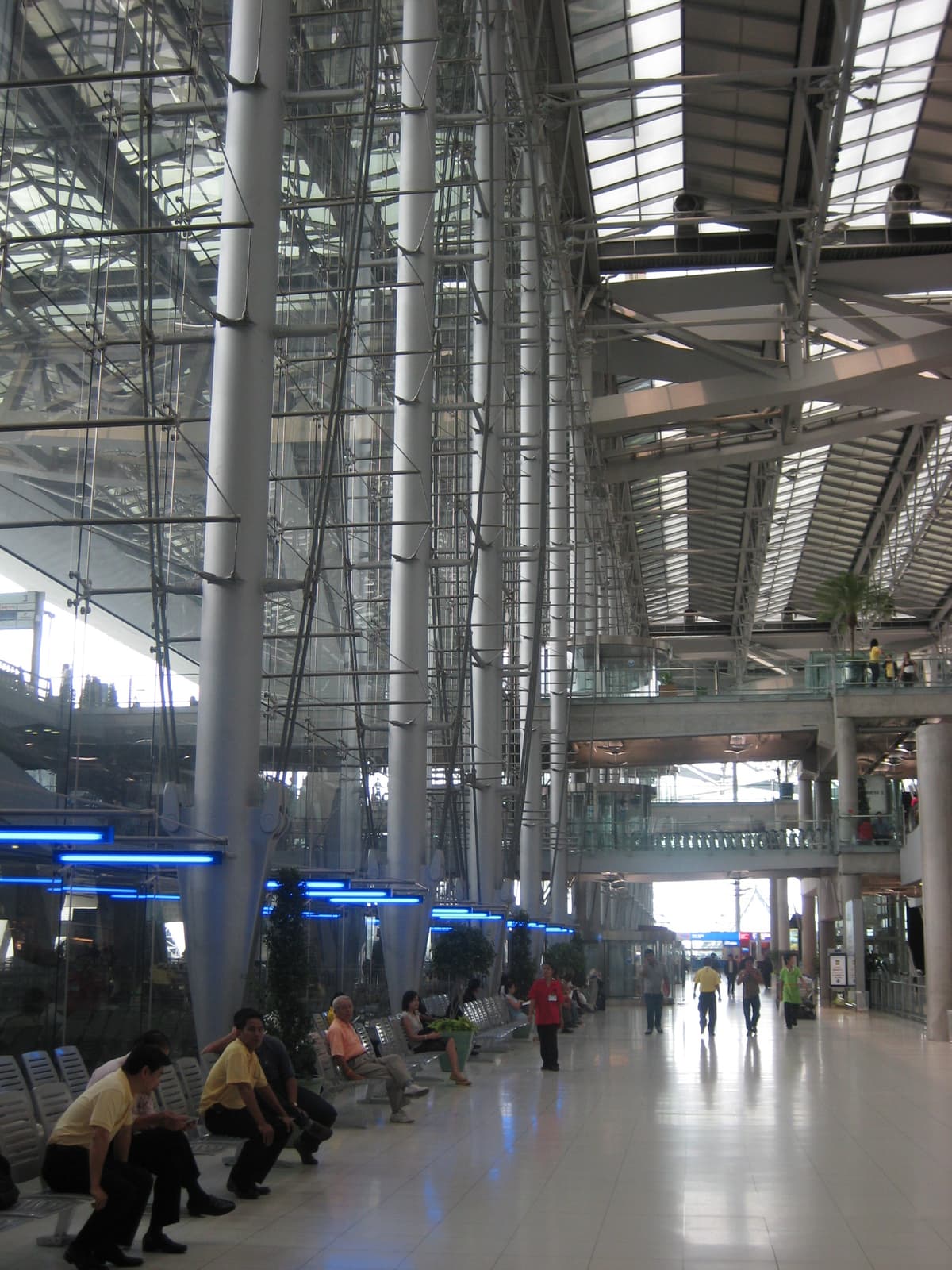
ข้อเสนอค่าธรรมเนียมนักท่องเที่ยว 450 บาทต้องตรวจแยกต่างหาก
ประกาศรับฟังความคิดเห็นของกระทรวงฯ เสนอค่าธรรมเนียม 450 บาทสำหรับผู้เดินทางต่างชาติ แทนรูปแบบเดิม 300 และ 150 บาท พร้อมข้อยกเว้นในร่าง ช่วงรับฟังความคิดเห็นวันที่ 24 สิงหาคมถึง 28 กันยายน 2026 สิ้นสุดแล้ว การตรวจสอบวันที่ 4 ตุลาคมยังไม่สามารถยืนยันประกาศจัดเก็บฉบับสุดท้ายจากแหล่งข้อมูลที่ตรวจได้ ข้อเสนอให้รอ 180 วันหลังประกาศในราชกิจจานุเบกษาจึงไม่ใช่วันเริ่มเก็บที่ยืนยันแล้ว ก่อนเสนอว่าเป็นค่าธรรมเนียมที่ต้องชำระ ให้ตรวจข้อกำหนดฉบับที่มีผลบังคับ และแยกจากค่าบริการผู้โดยสารขาออกที่รวมอยู่ในตั๋วแล้ว รายละเอียดและข้อจำกัดการตรวจสอบอยู่ใน บทความค่าธรรมเนียม 450 บาท
เรื่องนี้มีความหมายต่อโปรแกรมที่คุณกำลังขายอยู่อย่างไร
สามการดำเนินการอย่างรวดเร็วครอบคลุมทั้งหมด ประการแรก อัปเดตรายการต้นทุนขาออกไทยของคุณสำหรับตั๋วใดก็ตามที่ออกตั้งแต่ 20 มิถุนายน 2026 เพราะค่าบริการผู้โดยสารที่สูงขึ้นอยู่ในค่าตั๋วเหล่านั้นแล้วไม่ว่าลูกค้าจะสังเกตหรือไม่ ประการที่สอง ให้ลูกค้าใช้คำแนะนำ TDAC ทางการล่าสุด การที่แอป THIM พร้อมดาวน์โหลดไม่ได้แปลว่าทุกคนต้องติดตั้งหรือว่าเว็บไซต์จะถูกยกเลิก ประการที่สาม อย่าใส่ค่าธรรมเนียมนักท่องเที่ยวในการคิดต้นทุนจนกว่าจะมีผลบังคับใช้อย่างเป็นทางการ ยังมีผลกระทบต่อเนื่องเงียบๆ ต่อการตั้งราคาแบบสองประเทศด้วย ขาออกจากไทยตอนนี้มีค่าธรรมเนียมสูงกว่าเมื่อเดือนพฤษภาคม ดังนั้นใบเสนอราคาทริปไทยและเวียดนามแบบผสมที่จัดทำไว้ก่อนหน้านี้ในปีนี้จึงมีอยู่หนึ่งรายการที่ต้องตรวจสอบใหม่ และรายการนั้นคือฝั่งไทย ตัวทริปเองไม่ได้เปลี่ยน มีเพียงเอกสารและค่าธรรมเนียมรอบๆ ที่เปลี่ยน และพันธมิตรที่แยกเรื่องเหล่านั้นได้ชัดเจนดูเป็นคนที่คุมงานภาคพื้นดินได้จริง สำหรับการทบทวนการอ่านใบเสนอราคาทีละบรรทัด คู่มือของเราเรื่อง วิธีอ่านใบเสนอราคาของ DMC อยู่เคียงข้างบทความนี้ และบันทึกของเราเรื่อง เที่ยวบินตรงกรุงเทพฯ ถึงอัมสเตอร์ดัมที่กลับมาให้บริการ ครอบคลุมด้านการเข้าถึงของภาพเดียวกัน
กำลังคิดราคาใหม่ให้โปรแกรมปี 2027 ที่มีช่วงเวียดนามอยู่ใช่ไหม ส่งบรีฟมาให้เรา

คำถามที่พบบ่อย
ค่าธรรมเนียมขาออกที่สนามบินของไทยในปี 2026 เท่าไหร่
ค่าบริการผู้โดยสารระหว่างประเทศคือ 1,120 บาทต่อผู้โดยสารขาออกหนึ่งคน เพิ่มขึ้นจาก 730 บาท มีผลตั้งแต่ 20 มิถุนายน 2026 ที่ท่าอากาศยานไทยทั้งหกแห่ง ค่านี้ฝังอยู่ในราคาตั๋วเมื่อออกตั๋ว ดังนั้นตั๋วที่ออกตั้งแต่วันดังกล่าวได้รวมค่านี้ไว้แล้ว ขณะที่ตั๋วที่ออกก่อนหน้ายังคงอัตราเดิม 730 บาท ยืนยันตัวเลขปัจจุบันจากประกาศห้องข่าว ททท. ทางการก่อนเสนอราคา
ผู้เดินทางจ่ายค่าธรรมเนียมขาออกที่สนามบินหรือไม่
ไม่ ค่าบริการผู้โดยสารรวมอยู่ในราคาตั๋วเมื่อออกตั๋ว จึงไม่มีอะไรต้องจ่ายที่เคาน์เตอร์ตอนขาออก ผลกระทบเชิงปฏิบัติจึงอยู่ที่การตั้งราคามากกว่าประสบการณ์ของลูกค้าที่สนามบิน ต้นทุนนั้นมีจริงแต่มองไม่เห็น จึงต้องคาดการณ์ไว้ในใบเสนอราคามากกว่าอธิบายที่ประตูขึ้นเครื่อง
แอป THIM คืออะไร และบังคับใช้แล้วหรือยัง
รายการแอปทางการของ RoyalThaiPolice เปิดให้ดาวน์โหลด THIM และระบุการอัปเดตวันที่ 25 กันยายน 2026 เว็บไซต์ TDAC ทางการยังใช้งานได้ เราไม่พบคำสั่งที่ตรวจยืนยันได้ว่าผู้เดินทางทุกคนต้องติดตั้ง THIM หรือว่าแอปยกเลิกหน้าที่กรอกบัตรขาเข้า
ลูกค้ายังต้องใช้บัตรขาเข้าดิจิทัลของไทย (TDAC) อยู่หรือไม่
ยังต้องกรอก ผู้เดินทางที่อยู่ในข่ายต้องยื่น TDAC ต้องกรอกบัตรโดยไม่เสียค่าใช้จ่ายภายในช่วงเวลาที่ทางการกำหนดก่อนเดินทางเข้า และเก็บหลักฐานยืนยัน เว็บไซต์ทางการยังใช้งานได้ การมีแอป THIM ไม่ได้ยกเลิกหน้าที่นี้ ต้องตรวจคำแนะนำและข้อยกเว้นล่าสุดของสำนักงานตรวจคนเข้าเมือง
ค่าธรรมเนียมเข้าประเทศนักท่องเที่ยว 450 บาทกำลังเก็บอยู่ตอนนี้หรือไม่
ช่วงรับฟังร่างค่าธรรมเนียมนักท่องเที่ยว 450 บาทสิ้นสุดวันที่ 28 กันยายน 2026 การตรวจสอบวันที่ 4 ตุลาคมยังยืนยันประกาศจัดเก็บฉบับสุดท้ายและวันเริ่มไม่ได้ จึงต้องตรวจข้อกำหนดก่อนเสนอว่าเป็นค่าธรรมเนียมที่มีผลแล้ว
ลูกค้าของฉันอาจถูกขอให้แสดงหลักฐานทางการเงินหรือไม่
เป็นไปได้ เจ้าหน้าที่ตรวจคนเข้าเมืองของไทยอาจขอให้ผู้เดินทางที่เข้าประเทศแสดงหลักฐานว่ามีเงินติดตัวเพียงพอ และจำนวนเงินที่กำหนดขึ้นอยู่กับประเภทการเข้าเมืองที่ผู้เดินทางใช้ ตัวเลขที่หน่วยงานราชการไทยแต่ละแห่งเผยแพร่ไว้ไม่ตรงกันและมีการแก้ไขเป็นระยะ จึงควรตรวจสอบจำนวนเงินที่ใช้อยู่ในปัจจุบันสำหรับสัญชาติและประเภทการเข้าเมืองของลูกค้ากับสถานเอกอัครราชทูตหรือสถานกงสุลใหญ่ไทยที่ดูแลสถานที่ซึ่งลูกค้าออกเดินทาง ก่อนที่ลูกค้าจะเดินทาง เด็กอายุต่ำกว่า 12 ปีได้รับการยกเว้นจากข้อกำหนดนี้ตามมาตรา ๑๔ แห่งพระราชบัญญัติคนเข้าเมือง พ.ศ. ๒๕๒๒ ทั้งนี้การตัดสินใจขั้นสุดท้ายว่าจะอนุญาตให้เข้าประเทศหรือไม่เป็นของเจ้าหน้าที่ตรวจคนเข้าเมือง ณ ด่านตรวจคนเข้าเมืองเสมอ
แหล่งข้อมูลทางการ
- RoyalThaiPolice: รายการแอป THIM ทางการและสถานะพร้อมดาวน์โหลด
- กองทุนเพื่อส่งเสริมการท่องเที่ยวไทย: ร่างค่าธรรมเนียมและช่วงรับฟังความคิดเห็น (ทางการ)
- ห้องข่าว ททท. AOT จะปรับขึ้นค่าบริการผู้โดยสารระหว่างประเทศตั้งแต่ 20 มิถุนายน 2026
- ห้องข่าว ททท. ย้ำเตือนเรื่องหลักฐานการเงินสำหรับผู้มาเยือนชาวต่างชาติที่เดินทางเข้าประเทศไทย 6 กรกฎาคม 2026
- ประกาศกระทรวงมหาดไทย เรื่อง กำหนดจำนวนเงินให้คนต่างด้าวต้องมีติดตัวในขณะเดินทางเข้ามาในราชอาณาจักร ลงวันที่ ๘ พฤษภาคม ๒๕๔๓ ราชกิจจานุเบกษา รก.๒๕๔๓/พ๕๓ง/๔/๙ มิถุนายน ๒๕๔๓ (ภาษาไทย พร้อมคำแปลทางการ)
- ห้องข่าว ททท. เปิดตัวแอปพลิเคชัน Thailand Immigration Management (THIM)
- บัตรขาเข้าดิจิทัลของไทย (TDAC) พอร์ทัลทางการ
- เดอะเนชั่น ไทยเตรียมแอป THIM สำหรับผู้เดินทางเข้าประเทศชาวต่างชาติก่อนเปิดตัวเดือนสิงหาคม
- บางกอกโพสต์ ไทยจะปรับขึ้นค่าธรรมเนียมผู้โดยสารระหว่างประเทศในเดือนมิถุนายน
เกี่ยวกับผู้เขียน
Wanwisa Puengsawang
ซีอีโอ Pai Dai DMC
Wanwisa Puengsawang (Sally) เป็นซีอีโอของ Pai Dai DMC เธอดูแลการดำเนินงานภาคพื้นดินของบริษัททั่วไทยและเวียดนาม และทำงานใกล้ชิดกับโฮลเซลเลอร์ ผู้วางแผนงาน MICE และลูกค้าโดยตรง
เพิ่มเติมเกี่ยวกับ Pai Dai DMCสำหรับตัวแทนท่องเที่ยว
กำลังวางโปรแกรมไทยหรือเวียดนามให้ลูกค้าอยู่ไหม
เมื่อได้รับบรีฟที่มีข้อมูลครบถ้วน เราจะส่งใบเสนอราคาพร้อมค่าบริการภายในเวลาเดียวกันของวันทำการถัดไป คำขอสำหรับโปรแกรมหลายประเทศที่ซับซ้อน หรือคำขอสำหรับการเดินทางช่วงไฮซีซัน อาจใช้เวลานานกว่านั้น โดยเราจะแจ้งกำหนดส่งใหม่เมื่อยืนยันว่าได้รับคำขอแล้ว