Are Thailand and Vietnam Safe for Solo Female Travellers?


Wanwisa Puengsawang
CEO, Pai Dai DMC
The answer is yes, with specifics. Thailand and Vietnam both rank among the easier destinations in the world for solo female travel. Violent crime against tourists is rare, and everyday helpfulness is the norm. That is why so many women travel them alone, happily. But generic reassurance that a place is very safe is not useful to a client, so the better answer names the risks, petty theft, transport at night, and scams, and the habits that manage them. The most common hazard is the road, not assault.
The habits below are specific enough to pass to a solo client; our lost passport and entry rules guides cover the rest.
How safe are Thailand and Vietnam, really
By the measures that matter to a solo traveller, both countries do well. Serious crime against tourists is uncommon. Women routinely travel alone in the cities and on the islands. A lost phone is far likelier than a dangerous encounter. That is the truthful baseline, and it should reassure without switching off judgement. The caveats are ordinary, not alarming. Tourist-heavy areas attract opportunistic theft and overcharging, nightlife districts carry the same risks they do anywhere, and isolated spots late at night deserve the caution any traveller would apply at home. The right frame for a client is normal travel awareness in a place that is, on the whole, welcoming and manageable for a woman on her own.
The risks, and how to manage them
Three categories cover almost everything a solo traveller actually meets. Petty theft is the first: bag-snatching, pickpocketing in crowds, and items taken from an unattended table, all reduced by carrying little, keeping a bag closed and in front, and leaving valuables in the room safe. Transport is the second and the most underrated, because chaotic traffic and unmetered taxis cause more trouble than crime does. Scams are the third: the closed-temple detour, the gem or tailor pitch, the rigged taxi meter, the too-good tour, all defused by booking through trusted channels and declining unsolicited help politely but firmly. None of these are reasons to avoid the region; they are the small print of travelling it well, and a good operator removes most of them before the client ever arrives.
Getting around safely
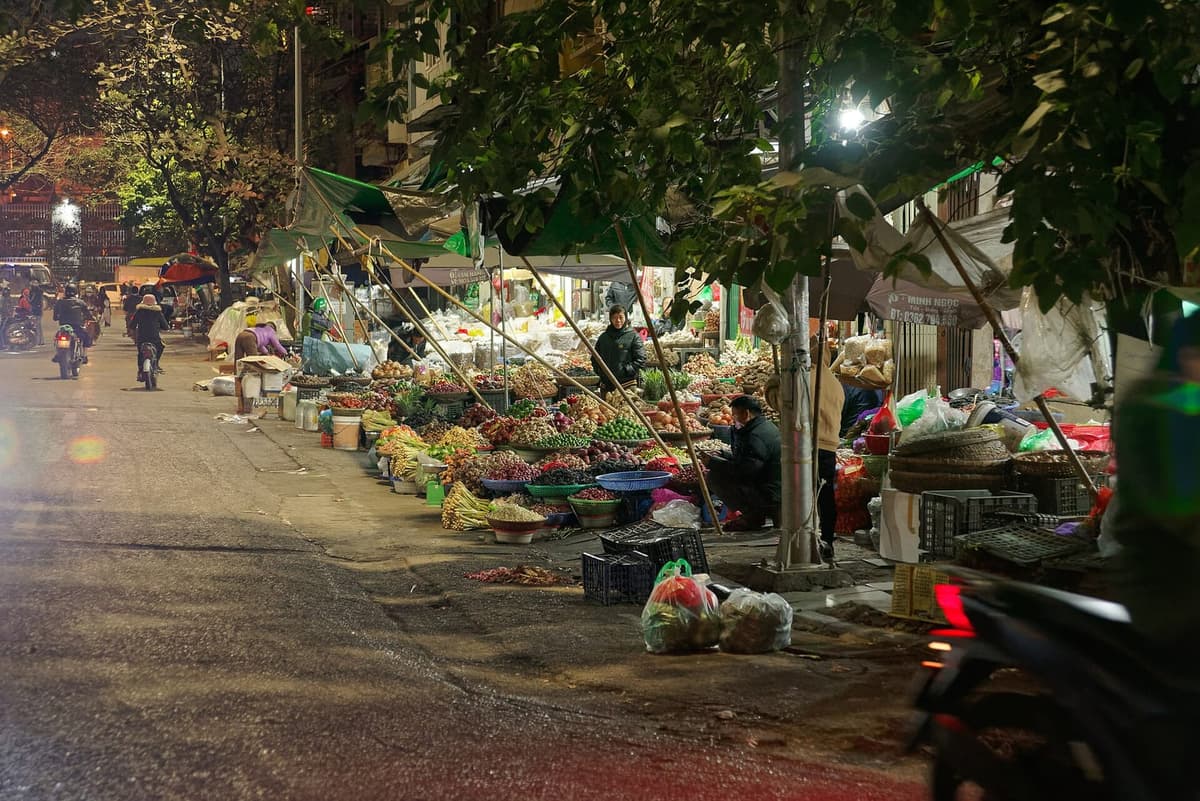
Transport is where specific advice beats general reassurance. In both countries, reputable ride-hailing apps are the single best habit for a solo traveller, because the fare, the route, and the driver are all logged, which removes the haggling and the after-dark uncertainty of a street taxi. For airport arrivals and evening moves we arrange private transfers, so a client is met by a named driver instead of negotiating at a rank. Motorbike taxis are everywhere and cheap, but we steer solo clients toward cars unless they are confident, and always with a helmet. One Vietnam-specific habit is worth teaching every client: walk with your bag on the building side of the pavement, not the road side, because the rare snatch-theft comes from a passing motorbike. Small rules, reliably applied, prevent the great majority of problems.
Nightlife and social settings
A solo woman can enjoy the bars and night markets of Bangkok, Chiang Mai, Hanoi, or Hoi An with the same awareness she would use anywhere. The sensible habits travel well: keep an eye on your drink, favour busier and well-lit places, keep enough charge and cash for a ride home, and trust an instinct that says it is time to leave. Drink-spiking is uncommon but not unheard of in the busiest party spots, so the usual caution applies. Friendliness is the norm in both countries, and accepting it while keeping the boundaries you would keep at home is the right balance. We are happy to point clients to areas and venues that suit a solo evening out.
Cultural respect and dress
Dressing with a little awareness is about respect and ease, and it also reduces unwanted attention. Temples and palaces in both countries expect covered shoulders and knees, so a light scarf and a longer skirt or trousers in the bag make every sacred site accessible without a last-minute scramble. Beyond temples, dress is relaxed in tourist and beach areas and a touch more modest in rural and traditional settings, and matching the local register is simply a courtesy that tends to be warmly received. We brief clients on what each site expects so they are never turned away at a temple door or made to feel conspicuous.
How we support solo female clients
This is where a ground operator earns its place for a lone traveller. We arrange vetted drivers and licensed guides, can provide a female guide on request, and choose accommodation for location and security as well as style, favouring well-placed, well-lit properties over isolated ones. The booking documents name her on-tour contacts and the escalation route, so she knows who to call if a plan changes or something goes wrong. When an agency books, it keeps its client relationship, and the quotation states which documents we prepare and who contacts the traveller on tour. If you are booking for a solo client, send us her dates and route; if the trip is your own, tell us your dates. Our guide to vetting a DMC sets out what that ground support should look like.
FAQ
Is Thailand safe for solo female travellers?
Yes, broadly. Thailand is one of the more comfortable countries in Asia for women travelling alone, with low rates of violent crime against tourists and easy, social cities like Bangkok and Chiang Mai. The realistic risks are petty theft, scams, and transport, and all are manageable with ordinary awareness. Using ride-hailing apps, booking through trusted channels, and applying normal night-time judgement cover the great majority of situations a solo traveller will meet.
Is Vietnam safe for solo female travellers?
Yes, with the same ordinary caution. Vietnam is welcoming and widely travelled by solo women, and serious crime against tourists is uncommon. The standout hazard is the road: heavy traffic and the occasional bag-snatch from a passing motorbike. Walking with a bag on the building side of the pavement, crossing streets slowly and steadily, and using ride apps or arranged transfers address the main risks. Beyond that, the country is friendly and straightforward for a lone traveller.
What are the main risks for solo women in Thailand and Vietnam?
Three categories cover most of it: petty theft such as bag-snatching and pickpocketing, transport issues from chaotic traffic and unmetered taxis, and scams aimed at tourists. Personal-safety crime is comparatively rare. The practical defences are carrying little and keeping bags closed and in front, using reputable ride apps or arranged transfers, and booking tours and transport through trusted channels instead of accepting unsolicited street offers.
How should solo women get around at night?
Use a reputable ride-hailing app instead of hailing a street taxi, because the fare, route, and driver are logged. For airport arrivals and evening transfers, an arranged private car with a named driver is safest. Keep enough phone charge and cash to get home, favour busier and well-lit routes, and treat motorbike taxis with more caution after dark unless you are confident, always with a helmet. These habits remove most of the uncertainty of moving around in the evening.
What should solo female travellers wear?
Dress is relaxed in tourist and beach areas and a little more modest in rural and traditional settings. The one firm expectation is at temples and palaces, which require covered shoulders and knees, so carrying a light scarf and a longer skirt or trousers makes every sacred site accessible. Matching the local register elsewhere is a courtesy, and it also tends to reduce unwanted attention.
Is it safe to go out at night alone?
Generally yes, in the same way it would be in any busy city: with awareness. Keep an eye on your drink, favour well-lit and busier areas, keep a way to get home, and leave when your instinct says to. Drink-spiking is uncommon but possible in the busiest party districts, so apply the caution you would at home. The nightlife in Bangkok, Chiang Mai, Hanoi, and Hoi An is very accessible to solo travellers who keep ordinary boundaries.
How does a ground operator help a solo traveller?
Concretely, in the ways that matter most when travelling alone: vetted drivers and licensed guides, a female guide on request, and accommodation chosen for location and security. The booking documents name the on-tour contacts and the escalation route, so the traveller knows who to call if something changes. When an agency books, it keeps its client relationship, and the quotation states which documents we prepare and who contacts the traveller on tour. Agents can send us the client's dates and route; travellers planning their own trip can tell us their dates.
About the author
Wanwisa Puengsawang
CEO, Pai Dai DMC
Wanwisa Puengsawang, known as Sally, is the CEO of Pai Dai DMC. She leads the company's ground operations across Thailand and Vietnam, working directly with wholesale operators, MICE planners, and private clients.
More about Pai Dai DMCFor travel agencies
Planning Thailand or Vietnam for a client?
After we receive a complete brief, we provide a costed quote by the same time on the next business day. Complex multi-country or peak-season requests may take longer; we state the revised deadline when we acknowledge the request.