دليل السفر الفاخر إلى شيانغ ماي: أين تقيم وماذا تختبر


Wanwisa Puengsawang
الرئيسة التنفيذية لشركة Pai Dai DMC
تقوم الرحلة الفاخرة إلى شيانغ ماي (Chiang Mai) على ثلاثة قرارات تتخذها لعملائك: نوع الإقامة، والتجارب الخاصة التي تستحق الطلب وما يجب تأكيده في كل منها، والموسم المناسب للسفر. وشيانغ ماي من المدن القليلة في جنوب شرق آسيا التي يستقر فيها المسافر الباحث عن الفخامة ولا يكتفي بالمرور بها مسرعاً، فهي أهدأ من بانكوك، وكانت عاصمة مملكة لانّا التي صاغ بلاطها ومطبخها وطراز معابدها الشمالَ نحو ستة قرون. وتجد لوجستيات الزيارة الأولى، من تنقّل ومواعيد فتح ورسوم دخول، في دليل وجهة شيانغ ماي.
هل تخطّط لرحلة خاصة حول شيانغ ماي؟ اطّلع على رحلاتنا الفاخرة المصمّمة خصيصاً عبر تايلاند وفيتنام.
لماذا تناسب شيانغ ماي المسافر الباحث عن الفخامة
ميزة شيانغ ماي في الفئة الراقية ليست قائمة أطول من المعالم، بل إيقاع الرحلة وقرب كل شيء. فالمدينة القديمة تقع داخل خندق مائي مربّع وأسوار قديمة، منخفضة البنيان وسهلة السير، والجبال على حافتها الغربية، وبلاد التلال على مسافة قيادة قصيرة وراءها. وتتيح هذه الجغرافيا لبرنامج محكم أن يراوح بين الثقافة والراحة بلا انتقالات طويلة: صباح في معبد، وغداء متمهّل، وعصر عند مسبح يطلّ على حقول الأرز، وعشاء تحت النجوم. الفخامة هنا متّسع من الوقت، لا جدول مزدحم.
وهي أيضاً مدينة حِرَف، فمشغولات الفضة والورنيش (اللاكيه) والخشب المنحوت والمنسوجات والخزف ما زالت تُصنع فيها باليد، ويقابلها مطبخ لانّا بتقاليده العشبية وأطباقه المدخّنة المطهوة على مهل. وكلاهما متاح بسهولة في صورته السياحية. أما في الفئة الراقية فالقيمة في جلسة خاصة مع الحرفي نفسه أو مع طاهٍ، لا في متجر الهدايا أو البوفيه، على أن يسمّي عرض السعر المكان وما تشمله الجلسة.
أين تقيم في شيانغ ماي في رحلة فاخرة
القرار الأول نوع الإقامة الذي يحدد طابع الرحلة، وتقدّم شيانغ ماي ثلاثة أنماط متمايزة: البيت التراثي على طراز لانّا، والمنتجع في الوادي أو على النهر، وفيلا المسبح في التلال. ويمكن أن يجمع البرنامج بين نمطين على امتداد الإقامة.
البيت التراثي على طراز لانّا أكثر الأنماط ارتباطاً بتاريخ المدينة. وقد رسّخ Dhara Dhevi هذا الطراز، لكن غرفه غير مفتوحة للنزلاء حالياً، فتأكّد من وضعه قبل أن تذكره لعميل. أما 137 Pillars House فيحمل هذا الطابع اليوم: بيت مرمَّم من خشب الساج كان جزءاً من المقر الشمالي لشركة بورنيو (Borneo Company)، حميمي ومتواضع الحضور، على الضفة الشرقية لنهر بينغ (Ping) في حي وات غيت (Wat Gate) الوارف، وفي متناول المدينة القديمة. وفي إقامات كهذه تحمل العمارة والخدمة روح المكان، ويمكن أن تطلب منها استقبالاً على طريقة لانّا، أو مباركة باسي، أو عشاءً خاصاً في الحديقة دون مغادرة الفندق.
المنتجع، في الوادي أو على النهر، يقدّم هدوءاً أخضر بعيداً عن حركة المدينة القديمة. يقع Four Seasons Resort Chiang Mai في وادي ماي ريم (Mae Rim) بين مصاطب أرز ما زالت تُزرع، على بعد نحو 30 دقيقة من المطار، بأجنحة وفلل مفتوحة على الحقول ومدرسة طهو في الموقع، وهو الخيار الكلاسيكي لمن يفضّل فسحة المنتجع وهدوءه على القرب من المعابد. ويسلك Anantara Chiang Mai Resort الطريق المعاكس: عنوان معاصر على نهر بينغ في قلب المدينة، على مسافة سير قصيرة من السوق الليلي، وضفّته مكان مناسب لشاي العصر أو لمشروب المساء. هذه أمثلة للتوضيح لا قائمة حصرية، فالفندق المناسب يتبع الرحلة والموسم والغرف المتاحة في تواريخ عملائك، ويُؤكَّد التوافر في عرض السعر.
فيلا المسبح في التلال هي النمط الثالث والأكثر خصوصية: فيلا مستقلة في التلال أو في وادي ماي ريم، بمسبحها وطاهيها وطاقمها، تناسب العائلات والمجموعات متعددة الأجيال ومن يريد زيارة المدينة نهاراً من قاعدة خاصة لا من ردهة فندق. وتحتاج الفيلا إلى سيارة وسائق طوال الإقامة، وإلى مرشد في أيام الجولات. وفي الأنماط الثلاثة يبقى العمل نفسه: اختيار الإقامة التي تناسب المسافر، وتوقيت الحجز، لأن أفضل الأجنحة في أرقى العناوين تُحجز مبكراً في ذروة الموسم البارد.
التجارب الخاصة التي تستحق الطلب
كل تجارب شيانغ ماي المعروفة متاحة في صورتها الجاهزة. والفرق في النسخة الخاصة أنها تُبنى على إيقاع المجموعة وتوقيتها، بمرشد لها وحدها، وبتفاصيل تُؤكَّد مسبقاً في عرض السعر.
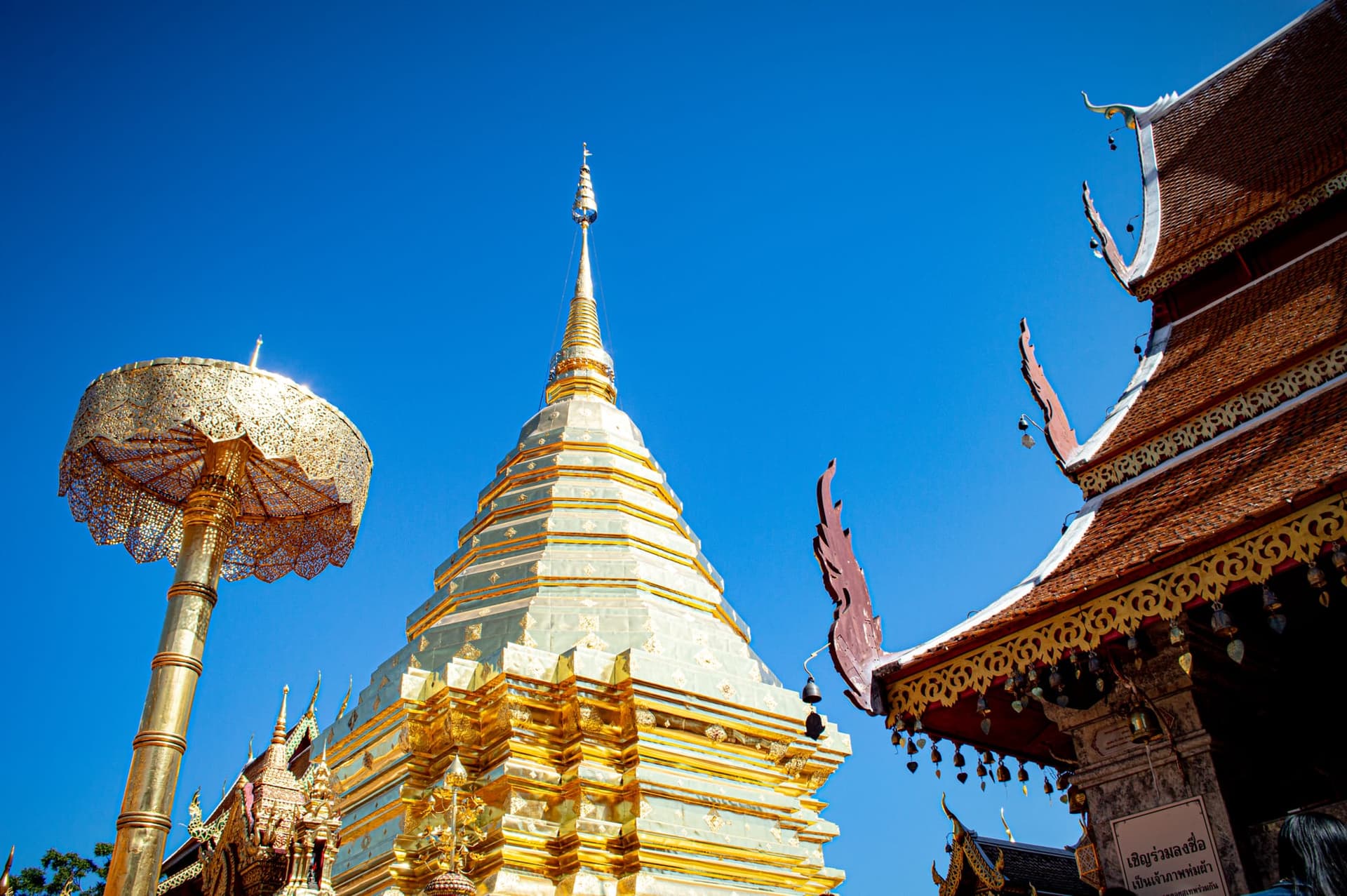
دوي سوتيب في وقت مبكر. معبد الجبل وات فرا ذات دوي سوتيب (Wat Phra That Doi Suthep) هو المشهد الأبرز في الشمال، بشيديه الذهبي المطلّ على الوادي. وبحلول منتصف الصباح تمتلئ الشرفة ويثقل ضباب الوادي، فاذهب مبكراً قبل ذلك. ولا تعد عميلك بشرفة خالية، لكن المرشد الخاص يشرح رموز المعبد ولا يستعجل المجموعة. وينطبق المنطق نفسه على معابد المدينة القديمة في آخر العصر، حين يبرد الجو ويخفت الضوء فيكتسي آجر وات تشيدي لوانغ (Wat Chedi Luang) لوناً دافئاً.
زيارة الفيلة، والخط الذي ترسمه Pai Dai. تطبّق Pai Dai أربعة حدود على أي مركز فيلة: لا ركوب، ولا استحمام أو غسل من الزوار، ولا إطعام باليد ولا تلامس من دون حاجز، ولا عروض. ولا تقدّم زيارة فيلة إلا في مركز يستوفي الحدود الأربعة جميعها. والمركز المدرج في مسار «اكتشاف شمال تايلاند» النموذجي المنشور ما زال قيد التقييم مقابل هذه الحدود، ولذلك يذكر عرض السعر هل زيارة الفيلة مؤكدة، أم استُبدل بها نصف يوم آخر في الطبيعة أو الثقافة.

عشاء لانّا خاص. مطبخ شمال تايلاند قائم بذاته، ويستحق أمسية خاصة به: خانتوك خاص، وهو وجبة لانّا التقليدية تُقدَّم على صينية منخفضة ذات قاعدة مع موسيقى ورقص في مكان تراثي لا في قاعة سياحية، أو مائدة طاهٍ تتوالى عليها أصناف الكاري المطهو على مهل والأطباق المدقوقة في الهاون التي تميّز المنطقة، أو عشاء خاص في حديقة فندق أو على ضفة النهر. ويحدد عرض السعر المكان وما تشمله الأمسية.
جلسة حرفية أو صف طهو خاص. يمكن طلب صف طهو خاص يبدأ بجولة مع الطاهي في السوق على أعشاب المنطقة وعجائنها ومنتجاتها، ثم ينتقل إلى الطهو العملي لأطباق لانّا. ويمكن كذلك طلب جلسة خاصة في ورشة صائغ فضة أو نحّات خشب أو خزّاف أو رسّام مظلات. وفي الحالتين يسمّي عرض السعر الورشة أو المدرسة وما تشمله الجلسة.
يوم مع مجتمع جبلي برفقة مرشد خاص. خلف المدينة تحتضن التلال مجتمعات قروية يمكن زيارتها بترتيب مسبق: يوم يتبع إيقاع الحياة العادية، الحقول والمطبخ ووجبة مشتركة، مع مرشد خاص يترجم ويضع ما تراه المجموعة في سياقه. ويستقبل بعض هذه المجتمعات الزوار للمبيت في المرتفعات. ويحتاج هذا اليوم إلى تأكيد مسبق لأمور محددة: من يستضيف المجموعة، وما يوافق عليه المجتمع، وقواعد التصوير، وأماكن النوم إن كان هناك مبيت. فحياة القرية ليست عرضاً يُدرج في الجدول دون موافقة أهلها.
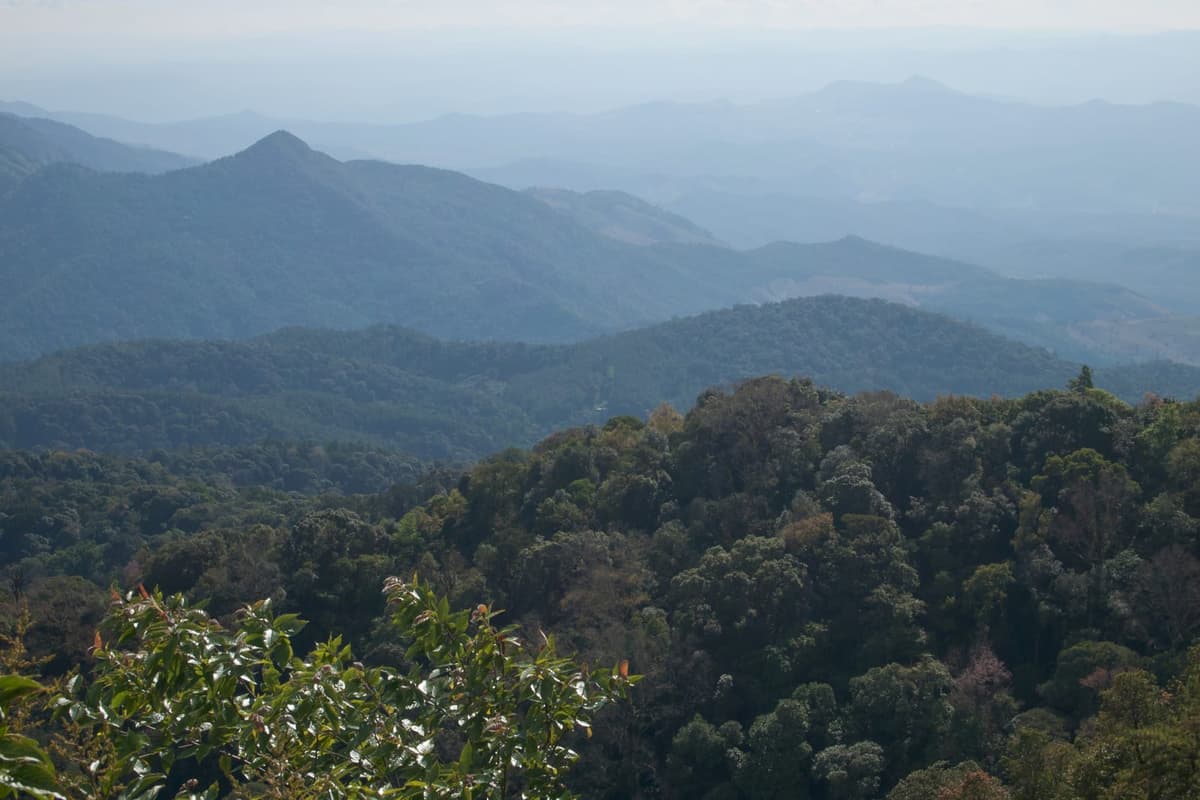
ويختلف مسار اكتشاف شمال تايلاند عن الإقامات الموصوفة هنا، فهو المسار النموذجي المنشور للشمال: ست ليالٍ، ثلاث منها في شيانغ ماي بفندق بوتيك داخل المدينة القديمة، وليلة في إقامة مجتمعية لدى عائلة باتجاه ماي تشايم (Mae Chaem)، وليلتان في شيانغ راي للمعابد المعاصرة والمثلث الذهبي على الميكونغ. تتنقّل المجموعة بحافلة خاصة، ويرافقها مرشد تايلاندي مرخّص طوال المسار، مع مرشدي مواقع محليين في المعابد الكبرى. ويجمع يومه الثالث بين زيارة فيلة، ومركزها ما زال قيد التقييم، وصف طهو شمالي. أما الإقامات الفاخرة الخاصة في هذا الدليل فتُبنى حسب الطلب.
متى ينبغي أن تذهب المجموعة الفاخرة
يهمّ التوقيت في الشمال أكثر مما يهمّ في أي مكان آخر تقريباً في تايلاند. والنافذة الأمثل هي الموسم البارد، من نوفمبر إلى فبراير تقريباً، حين تكون الأيام مريحة للمعابد والمرتفعات، والصباحات منعشة، والسماء في أصفى حالاتها. ولهذا السبب نفسه يمتلئ ديسمبر ويناير أولاً، فاحجز الأجنحة المناسبة مبكراً. ويقع مهرجان الفوانيس يي بينغ (Yi Peng) في نوفمبر، حين ترتفع الفوانيس الورقية فوق المدينة، ويستحق أن تُبنى الرحلة حوله إن وافقت التواريخ.
أما موسم الحرق فيمتد من فبراير إلى أبريل تقريباً، ويبلغ أسوأه عادةً في مارس، حين تجتمع حرائق الشمال مع سكون الهواء. وفي أواخر مارس 2026 صنّف IQAir هواء شيانغ ماي «غير صحي جداً»، بقراءات لمؤشر جودة الهواء تجاوزت 220، وجعلها أكثر المدن الكبرى في العالم تلوثاً. فإن كان بين عملائك من يتأثر بالضباب الدخاني، فوجّه الرحلة بعيداً عن هذه النافذة. وإن كانت التواريخ ثابتة، فرجّح الأنشطة الداخلية والتراثية، والعشاء الخاص، ووقت المنتجع، وتابع جودة الهواء يومياً. والموسم الأخضر، من يونيو إلى أكتوبر تقريباً، بديل يستحق في الفئة الراقية اهتماماً أكبر مما يلقاه: التلال في أزهى خضرتها، والمطر يأتي غالباً في زخات قصيرة بعد الظهر يتكيّف معها يوم مرن، والفنادق أهدأ وتوافرها أوسع. وللصورة الكاملة منطقة تلو الأخرى، يضع دليلنا عن أفضل وقت لزيارة تايلاند الشمال في مقابل السهول الوسطى وساحلَي الجزر كليهما.
ما تضيفه شركة DMC إلى برنامج فاخر في شيانغ ماي
يستطيع المسافر أن يحجز فندقاً معروفاً وقائمة معالم بنفسه. أما ما تضيفه شركة إدارة الوجهات فهو حسن التسلسل واختيار المورّدين: معبد الجبل في وقت مبكر والمدينة القديمة في عصرها البارد، ونصف يوم الفيلة في مركز يستوفي الحدود الأربعة أو بديل عنه، والمسافات الطويلة بالسيارة بين المحطات الرئيسية لا في آخر يوم مرهق، والورشة أو المدرسة أو المجتمع المضيف المناسب لكل مجموعة.
ولا بد أن تكون المساءلة مكتوبة، فينبغي أن يحدد عرض السعر الفنادق والسيارة والزيارات والوجبات والإرشاد، ومن يُتّصل به حين تتغيّر الخطة في يومها. وعدد المرشدين وأيام عملهم يتبعان البرنامج، ولا يعني ذلك تلقائياً شخصاً واحداً للمسار كله. وكلما قلّت نقاط التسليم، قلّت فرص أن تضيع تفصيلة بين مورّد وآخر، فاسأل عن الاستمرارية صراحةً قبل الحجز. ويعرض مثال التخطيط لشمال تايلاند القرارات التي يقوم عليها مسار كامل، بوصفه خطة يُبنى عليها لا سجلاً لرحلة جرت. وسواء كانت الرحلة مغادرة عائلية خاصة أو إحالةً عبر شريك سفر، تبقى الأسئلة نفسها.
إذا كنت تخطّط لرحلة فاخرة إلى شيانغ ماي، فأرسل إلينا موعد السفر التقريبي وما تتمنّاه من الرحلة عبر صفحة خطّط رحلة، وسنرسل إليك تصوّراً يلائم الموسم، مع الإقامات المناسبة والتجارب الخاصة الجديرة بوقتك.
وإن كنت وكيل سفر تُعِدّ هذه الرحلة لعملائك، فأرسل إلينا مواعيد سفرهم ومستوى الفنادق المطلوب وحجم المجموعة عبر نموذج الاستفسار الخاص بالوكالات، واطّلع على طريقة عملنا مع وكالات السفر، بما في ذلك الأسعار الصافية، أي أسعار الشراء التجارية، عند التسجيل.
الأسئلة الشائعة
أين تقيم في شيانغ ماي في رحلة فاخرة؟
أمامك ثلاثة أنماط: بيت تراثي مثل 137 Pillars House على الضفة الشرقية لنهر بينغ في متناول المدينة القديمة، ومنتجع في الوادي أو على النهر، مثل Four Seasons بين مصاطب الأرز في وادي ماي ريم أو Anantara على نهر بينغ داخل المدينة، وفيلا خاصة بمسبح في التلال مع طاقمها. وتُختار الإقامة بحسب المسافر والموسم والغرف المتاحة، ويمكن أن يجمع البرنامج بين نمطين على امتداد الإقامة.
متى أفضل وقت لرحلة فاخرة إلى شيانغ ماي؟
الموسم البارد، من نوفمبر إلى فبراير تقريباً، هو الأمثل بصباحاته المنعشة وسمائه الصافية، ويمتلئ ديسمبر ويناير أولاً. أما موسم الحرق فيمتد من فبراير إلى أبريل تقريباً ويبلغ أسوأه عادةً في مارس، وفي أواخر مارس 2026 صنّف IQAir هواء المدينة «غير صحي جداً»، فيحسن أن يتجنب المسافر الحساس للضباب الدخاني هذه النافذة. والموسم الأخضر، من يونيو إلى أكتوبر، بديل أهدأ إذا خُطّطت الأيام بمرونة.
هل تصلح شيانغ ماي لرحلة فاخرة أو لشهر عسل؟
نعم، وتناسب خصوصاً النمط الأبطأ والأكثر خصوصية من الفخامة. فالمنتجعات وفلل المسابح تمنح عزلة وفسحة، ويمكن أن يُخطَّط لعشاء لانّا خاص أو لزيارة مبكرة لدوي سوتيب بوصفهما مناسبة خاصة للزوجين. وتقترن المدينة طبيعياً بإقامة شاطئية على أيٍّ من الساحلين لشهر عسل يجمع الثقافة والراحة.
ما أفضل التجارب الخاصة في شيانغ ماي؟
تستحق الطلب زيارة مبكرة لدوي سوتيب قبل أن تمتلئ الشرفة، وعشاء لانّا خاص أو مائدة طاهٍ، وصف طهو أو جلسة حرفية خاصة يسمّي عرض السعر مكانها وما تشمله، ويوم مع مجتمع جبلي بشروط يوافق عليها المجتمع مسبقاً. أما زيارة الفيلة فلا تُقدَّم إلا في مركز يستوفي الحدود الأربعة: لا ركوب، ولا استحمام أو غسل من الزوار، ولا إطعام باليد ولا تلامس من دون حاجز، ولا عروض. ولأن مركز المسار المنشور ما زال قيد التقييم، يذكر عرض السعر هل الزيارة مؤكدة أم استُبدل بها نصف يوم آخر.
لماذا تستعين بشركة DMC لرحلة فاخرة إلى شيانغ ماي بدل الحجز المباشر؟
الفنادق والمعالم هي الجزء السهل. أما ما تضيفه شركة إدارة الوجهات فهو التسلسل الذي يوقّت كل تجربة بحسب الطقس والحشود، واختيار المورّدين، وبرنامج مكتوب يحدد الفنادق والسيارة والزيارات والوجبات والإرشاد ومن يُتّصل به حين تتغيّر الخطة. وبهذا تعرف وكالتك قبل السفر ما المشمول ومن المسؤول عنه.
المصادر الرسمية
عن الكاتبة
Wanwisa Puengsawang
الرئيسة التنفيذية لشركة Pai Dai DMC
تتولى Wanwisa Puengsawang، المعروفة باسم Sally، منصب الرئيسة التنفيذية لشركة Pai Dai DMC، وتقود عملياتها الأرضية في تايلاند وفيتنام، وتعمل مباشرة مع مشغّلي جولات الجملة ومنظّمي فعاليات MICE والعملاء المباشرين.
المزيد عن Pai Dai DMCلوكلاء السفر
هل تخطّطون لرحلة إلى تايلاند أو فيتنام لأحد عملائكم؟
بعد استلام موجز مكتمل التفاصيل، نقدّم عرض سعر يتضمن أسعار الخدمات بحلول الوقت نفسه من يوم العمل التالي. قد نحتاج إلى وقت أطول للطلبات المعقّدة التي تشمل عدة بلدان أو لطلبات موسم الذروة؛ ونبيّن موعد التسليم المعدّل عند تأكيد استلام الطلب.