A Local's Guide to Luxury Private Travel in Northern Thailand
A private Lanna circuit from the temples of Chiang Mai through tea mountains and a frontier river to the sea of mist at Phu Chi Fa.


Wanwisa Puengsawang
CEO, Pai Dai DMC
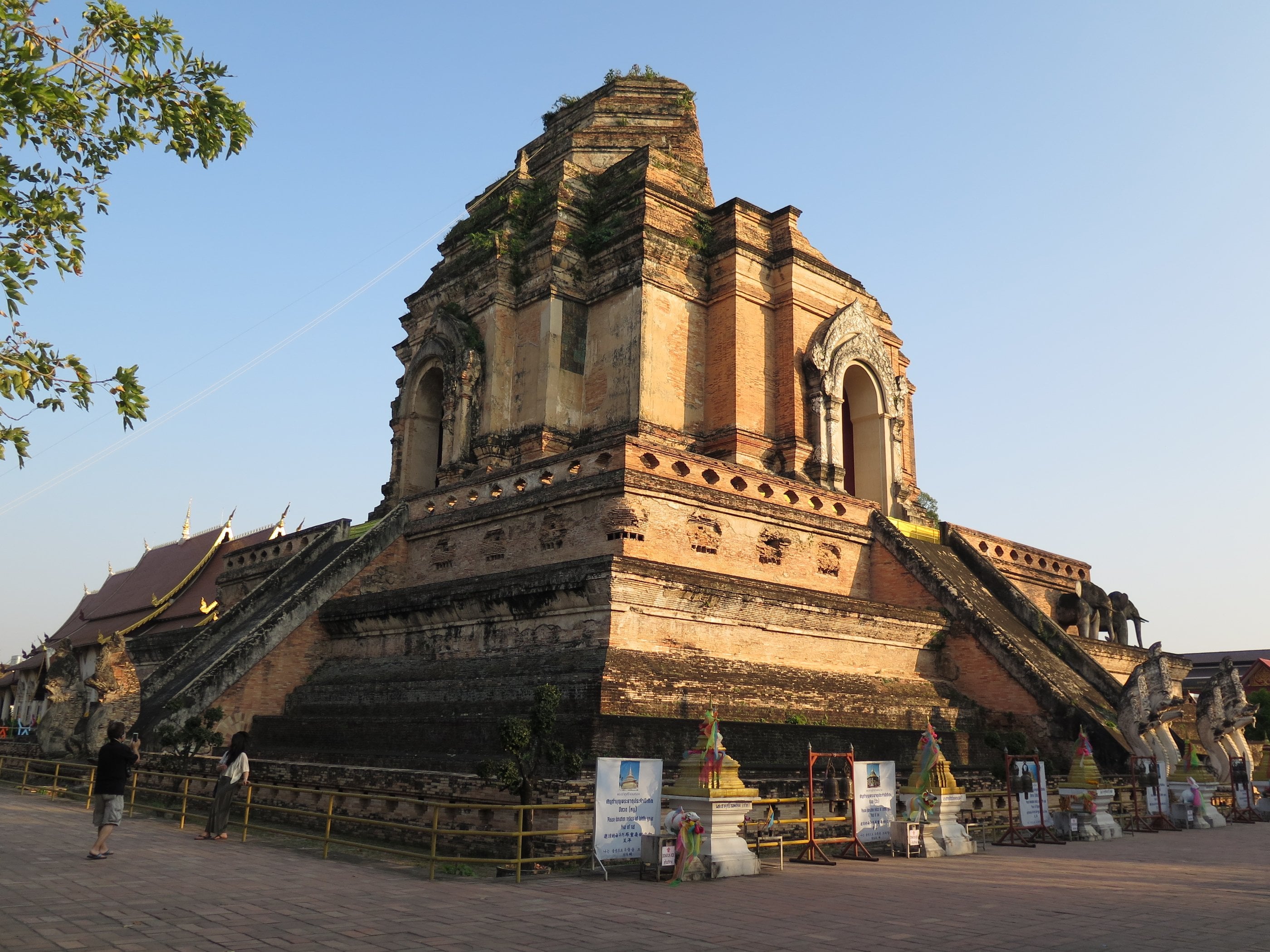
The north is a circuit, and the travellers who get the most from it stop treating it as a base. Chiang Mai is only the gateway. What makes the north worth the trip lies past the moat: cloud forest on Doi Inthanon, tea terraces and highland villages, the old caravan town of Lampang, and then the frontier itself, where the Mekong meets three borders and dawn breaks over a sea of mist.
Seeing it well comes down to routing. For the city on its own, where to stay and what to do inside it, our Chiang Mai luxury travel guide owns that ground.
Planning a private, tailor-made trip through the north? See our luxury, tailor-made Thailand and Vietnam journeys.
Why the north rewards a private circuit
The north is spread out, and that is the whole point. Its best moments are not clustered in one town: a peak temple sits an hour up a mountain, a hill village lies a valley away, the Lanna monuments and the Mekong frontier are a half-day's drive apart. On a coach tour that geography becomes a schedule problem, solved by early departures and fixed lunch stops, with everyone at the same view at the same hour. On a private circuit it becomes an advantage: with your own licensed guide and driver, the day bends around the light and the crowds. You reach the mountain before the buses, take the long lunch when the sites are busiest, and hold the drives for the flat middle of the day. What you buy is control over when and how you meet each stop.
How a local routes the north
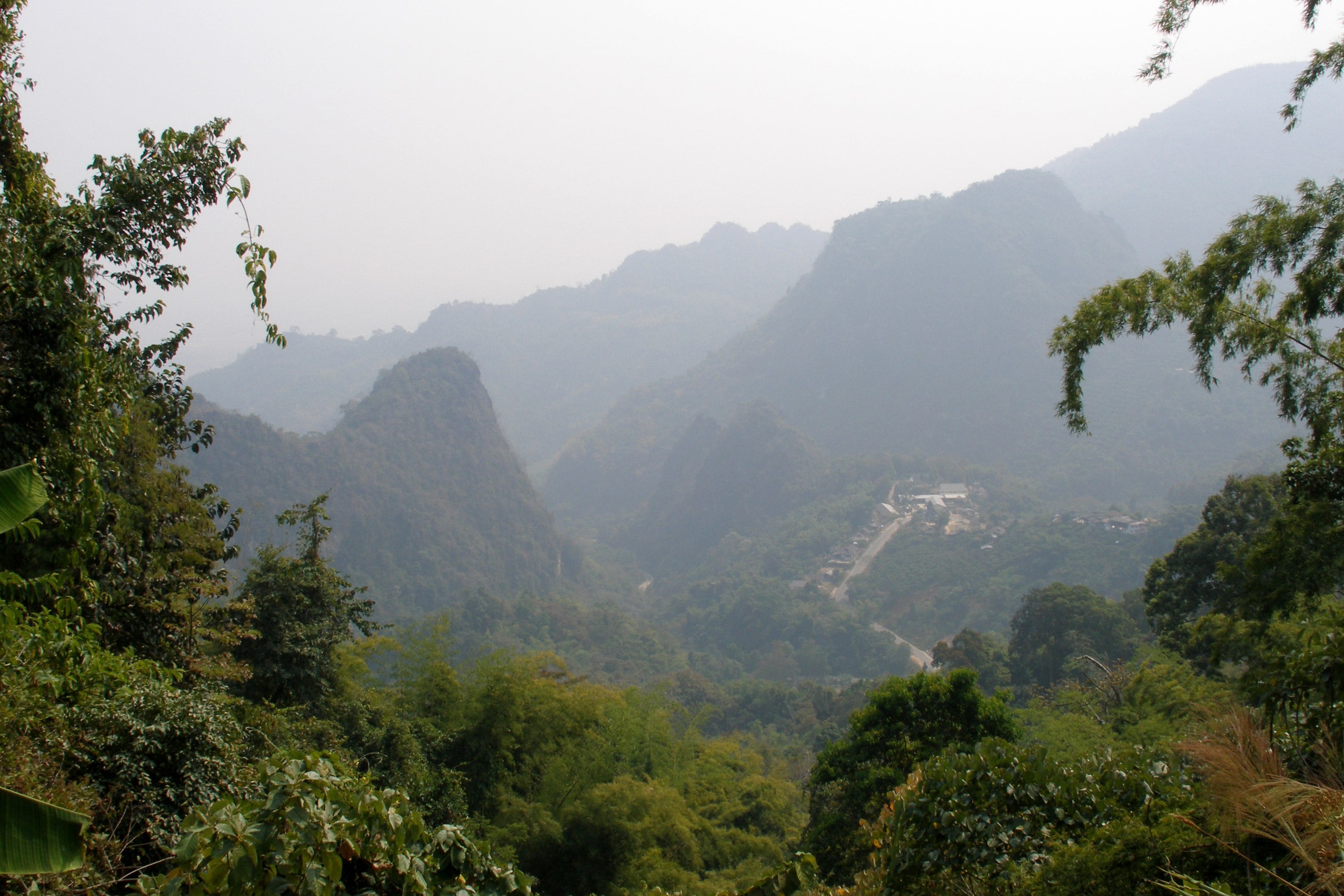
The sequencing is the craft, and the logic is simple: base where the depth is, then move outward so no leg doubles back. Chiang Mai gets three nights as the gateway and anchor, and the Chiang Mai destination guide holds the in-city practicalities. From there the route runs outward: a night up in the hills where the air turns cold and thin, the connoisseur detour to Lampang on the road, then the run north to Chiang Rai and two nights on the Mekong frontier. The day rhythm holds throughout: peak temples at first light, the long overland legs set in the flat middle of the day between anchors, the overnights placed beyond the city. Cool season, roughly November to February, gives the clearest skies and sharpest long views, and our best time to visit Thailand guide sets out the full calendar.
The one window we plan around deliberately is the burning season, roughly late February into April, when farmers across the upper north and the borderlands clear crop residue and still air holds the smoke over the valleys. It costs this route more than it costs a city stay, because the circuit's best moments are its long views: the sea of mist from a frontier cliff, the tea hills stepping down a ridge, three countries across a river bend, all flattened when the haze settles. We manage it, steering haze-sensitive trips into the November-to-January heart of the cool season. Where dates are fixed in the shoulder weeks, we weight the days toward temples, heritage, and lower ground, and keep the highland dawns flexible. Planned around, the north still delivers; unplanned, the burning window is where a circuit quietly loses its best mornings.
The highlandsThe hill country done privately
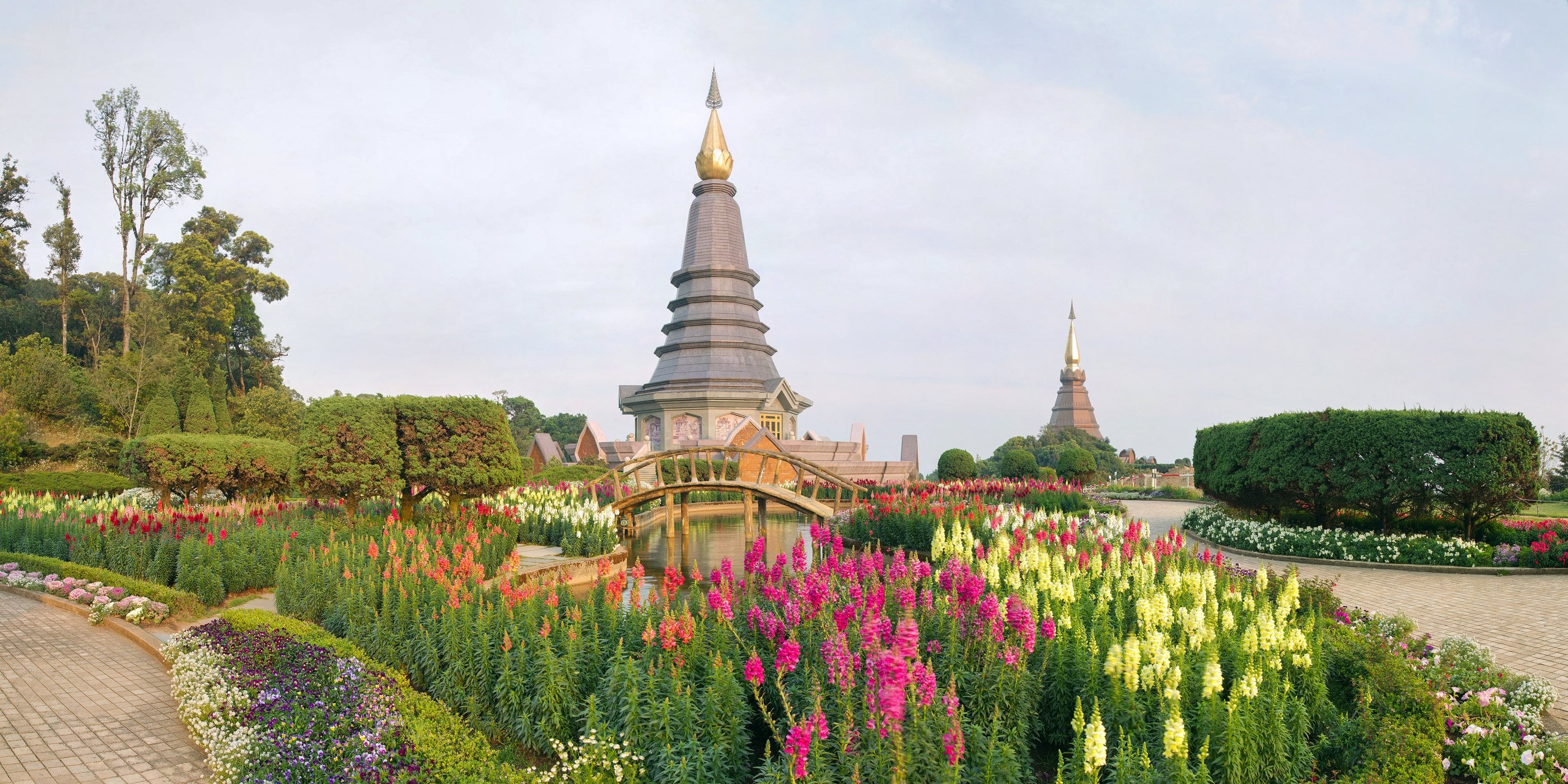
The hills are where a private circuit earns its keep, because the best of them are relationships, not tickets. Doi Inthanon is the obvious anchor, the highest ground in Thailand at around 2,565 metres. At the top is a cloud forest that feels like a different country: mossy and dripping, cool enough for a fleece at dawn. When the timing is right, the twin royal chedis float above a sea of cloud. A local adds the detail around it. The Kew Mae Pan nature trail closes each year from roughly June through October so the ground can recover. That reshapes a day, and you want it before you arrive at the gate. Beyond the peak, the highland villages matter more. Mae Kampong is a tea- and coffee-growing village folded into the mountains east of Chiang Mai, its wooden houses threaded along a cold stream. It is known for community stays. The welcome there is not staged. The private version is your own guide to read the place, the timing to have a terrace or a trail to yourself, and the quiet at the end of the day once the visitors have gone and the mountain cool comes down. None of it sits on a booking engine.
The connoisseur detour: Lampang
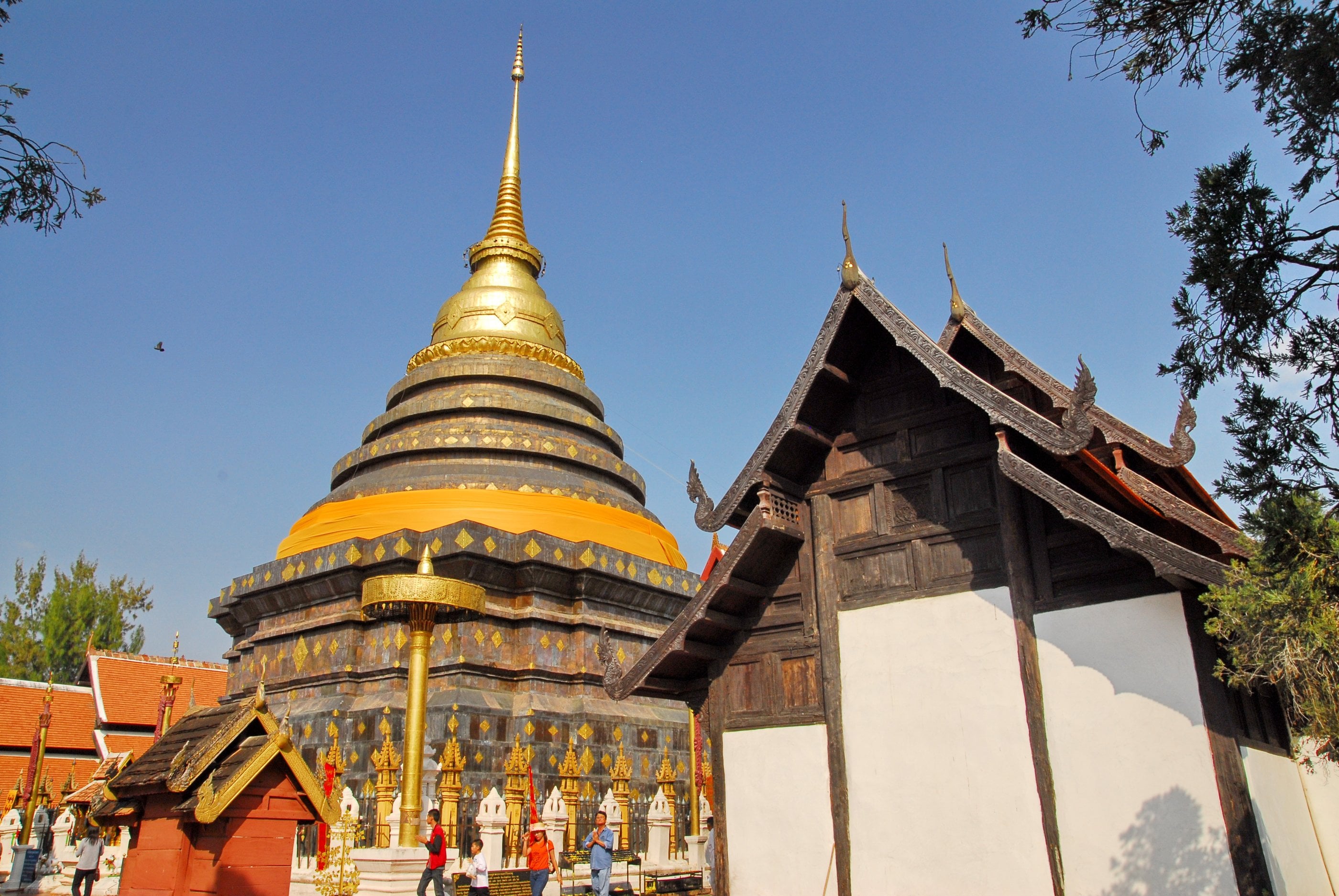
Lampang is the stop the coaches skip, which is precisely why it belongs on a considered circuit. An old teak-trading and caravan town on the road between Chiang Mai and the south, it keeps a slower, horse-cart pace and one of the north's best sights on its outskirts. Wat Phra That Lampang Luang is among the finest surviving Lanna temple compounds anywhere. It is a walled hilltop complex entered through a weathered brick gate, its copper-and-bronze-clad chedi dating to 1449 and its teak vihara to 1476. The open-sided wooden halls hold a low, dim, candle-warm atmosphere. Most restored temples have lost it. The town has a maker's signature of its own, too. The hand-painted chicken bowl, rooster and peony, is known in Thai as chaam kai. Chinese potters brought it, and Lampang has made it on local kaolin clay since the middle of the last century. It is still thrown and painted in workshops around the town. On a private route Lampang becomes a half-day of substance on a leg that would otherwise be dead driving: the temple and the potteries paired, a maker's morning to set beside Chiang Mai's silversmiths and woodcarvers.
Chiang Rai and the Golden Triangle
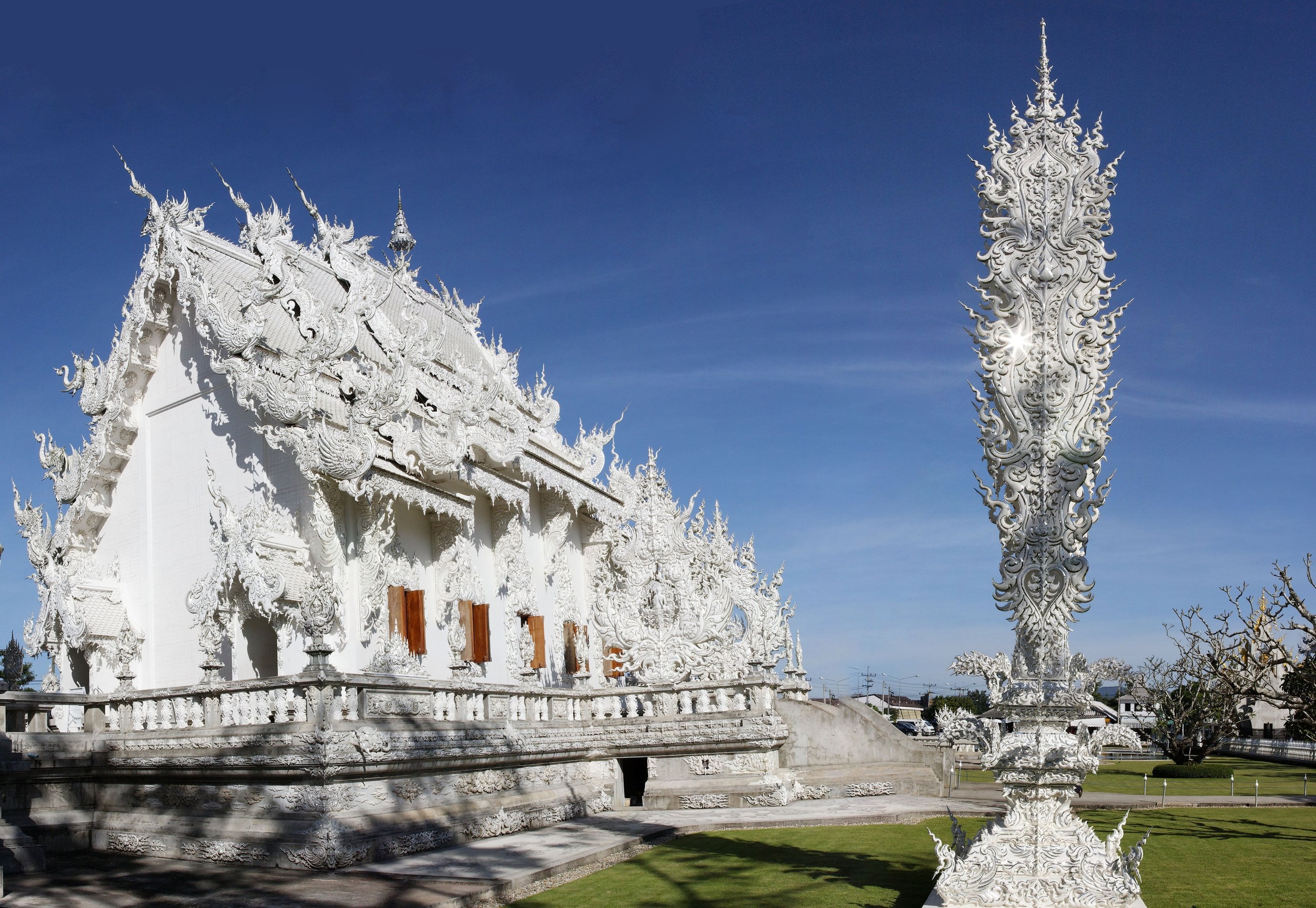
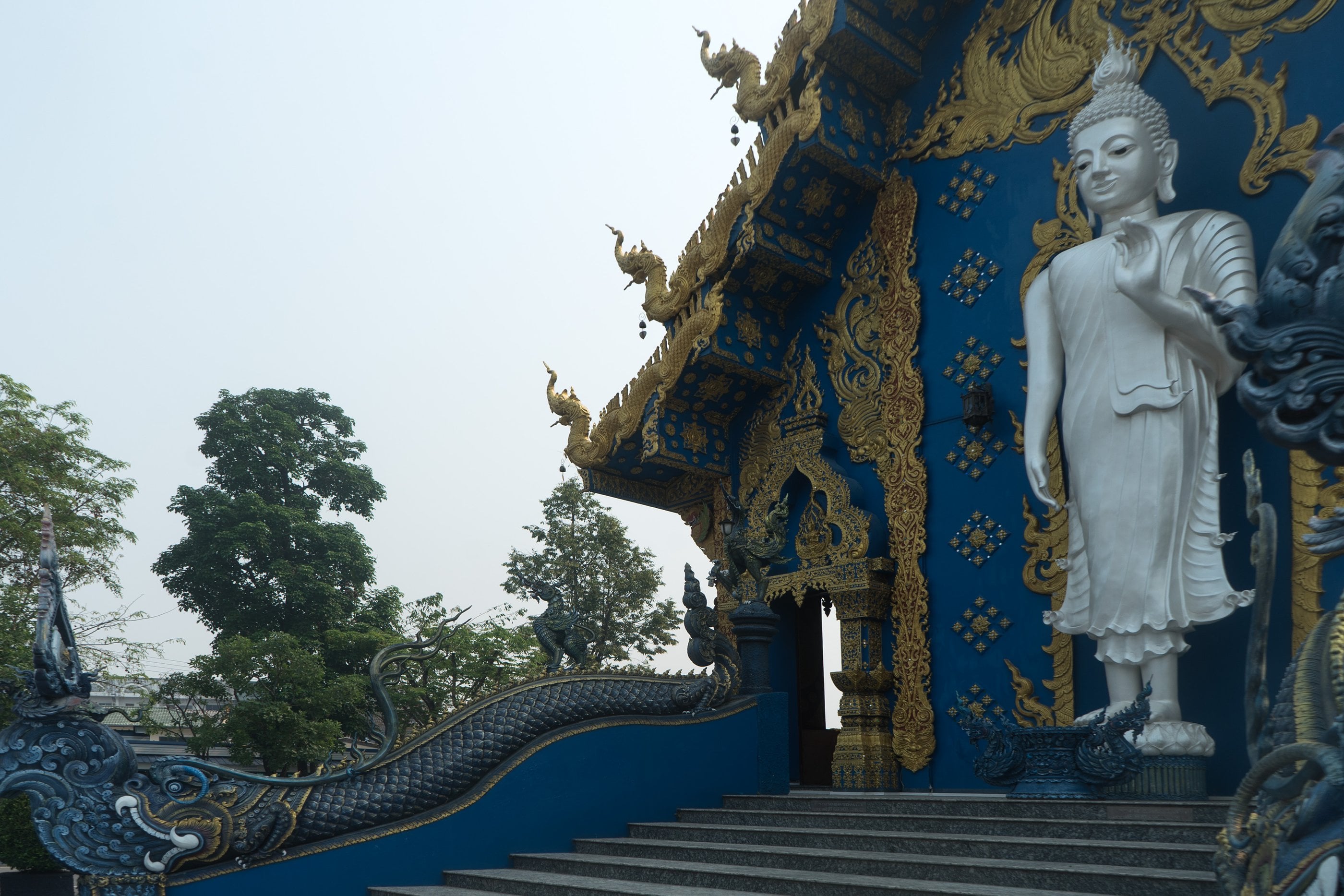
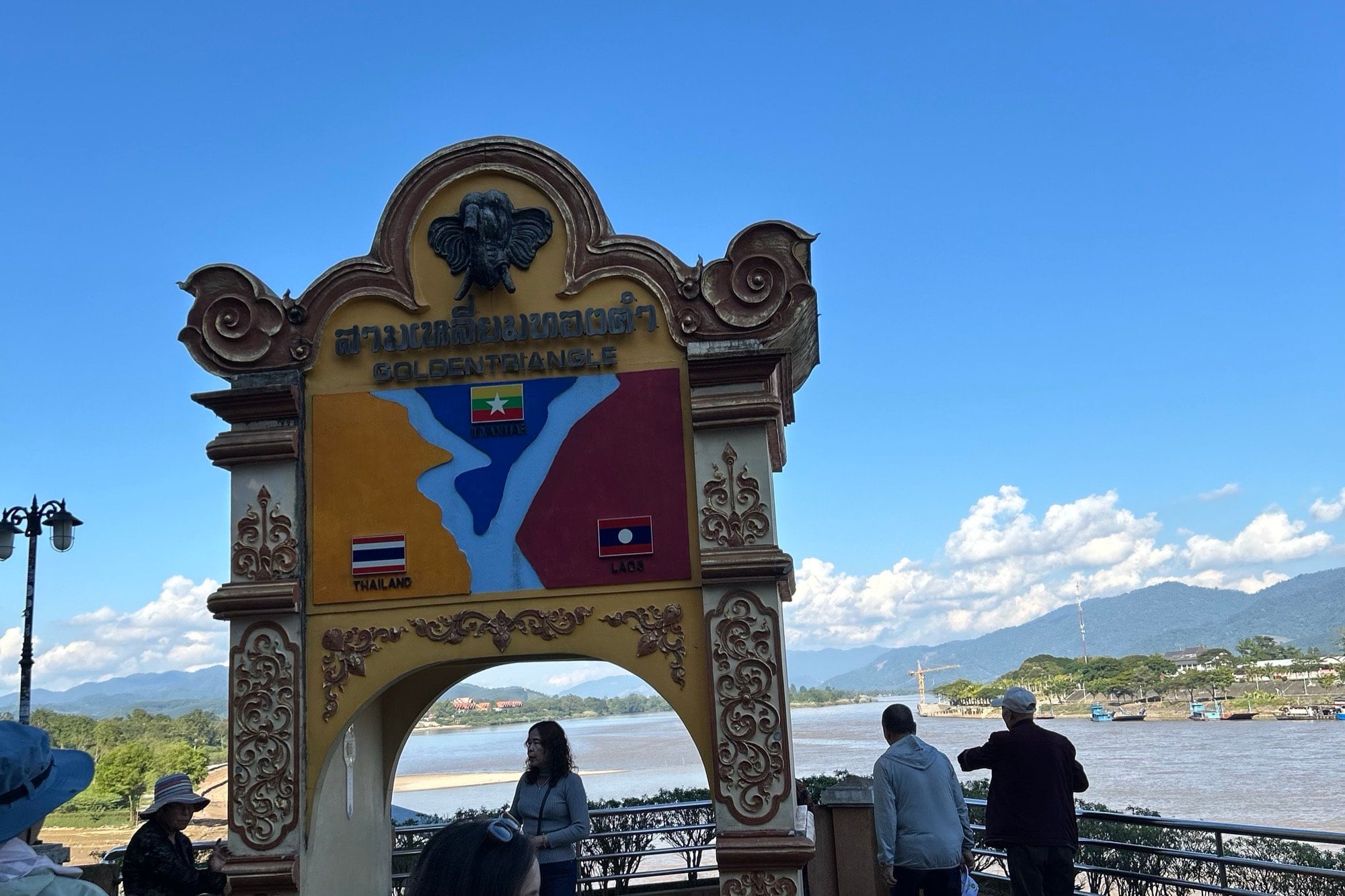
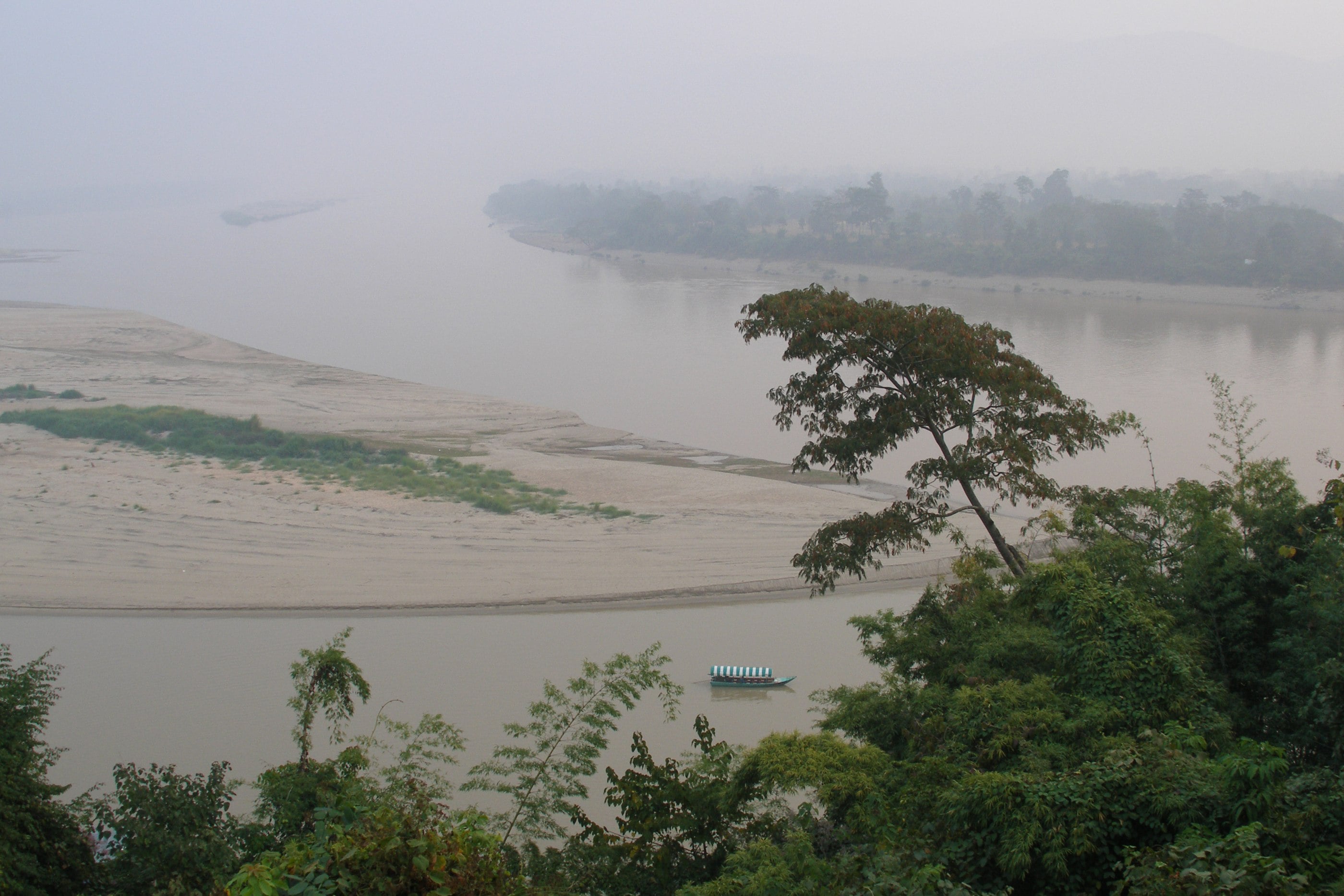
Chiang Rai is the second half of the circuit, and the reason to push this far is the frontier beyond the city. It carries the region's contemporary art temples and a quieter, stranger character than its larger neighbour, and the Chiang Rai destination guide holds the sights, the drive time from Chiang Mai, and the Golden Triangle detail. A private circuit adds access and sequencing: your own boat on the Mekong at Sop Ruak, a guide who can set the frontier in its history, and the whole run threaded onto the Lampang leg so nothing doubles back. Two nights let the north close on its widest note, three countries in one river bend. A rushed day trip never quite arrives.

Into the tea hills: Doi Mae Salong and Doi Tung
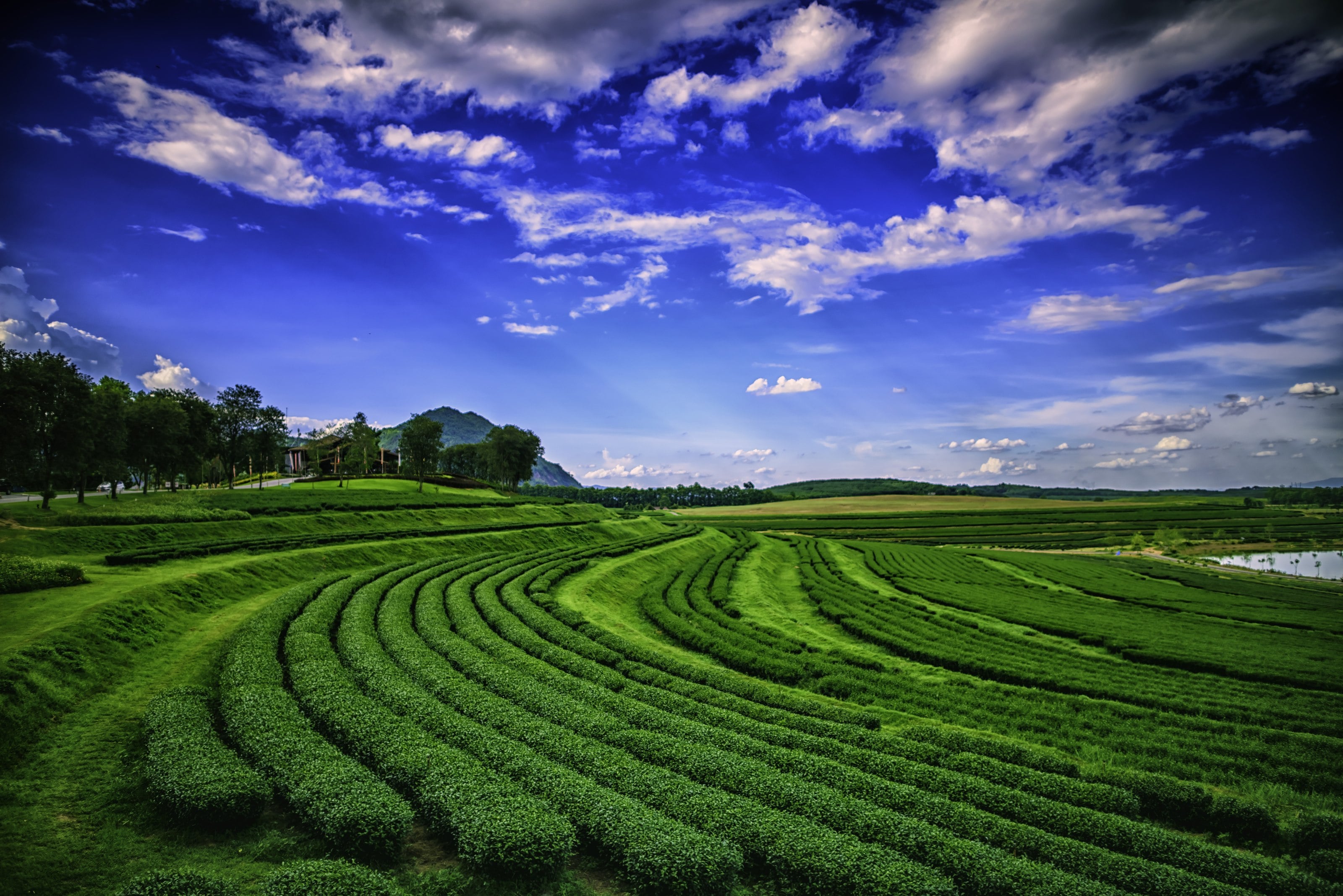
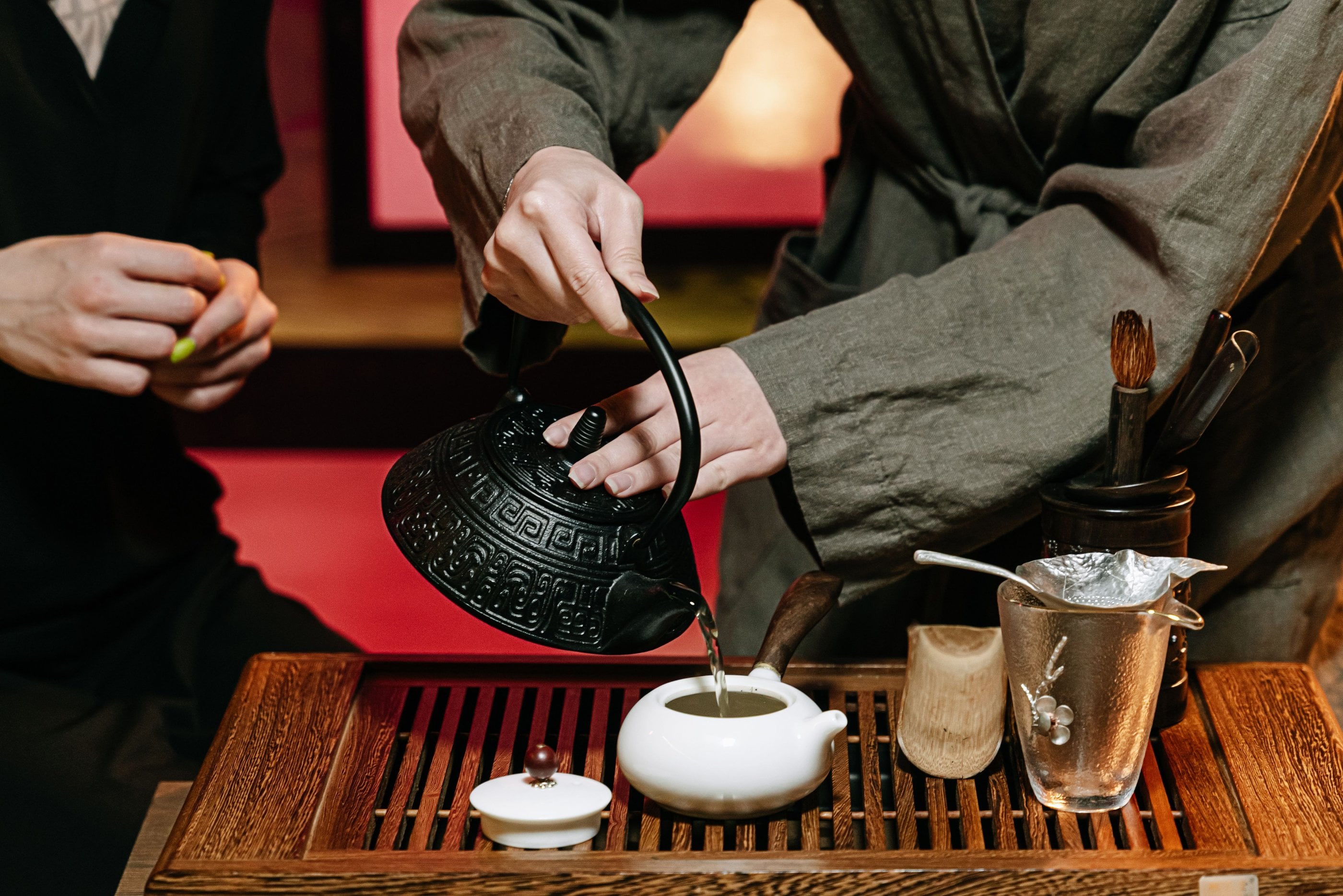
West of the Golden Triangle the map climbs into a stranger, older frontier, and two mountains anchor it. Doi Mae Salong, given the Thai name Santikhiri in the 1970s, was settled a decade earlier by Yunnanese soldiers of the defeated Nationalist armies who crossed out of China through Burma and were eventually given a home in these hills. Their descendants turned the slopes to tea, and the mountain keeps a distinctly Chinese-Thai character to this day: oolong terraces stepping down the ridges, Yunnanese noodle shops and tea houses, Mandarin heard beside Thai in the morning market. A private morning here is a guide who can tell that history standing in the terraces, where it stops being a curiosity, a tasting with a grower, and the road timed so the hillsides are yours before the day tours climb up from the city.
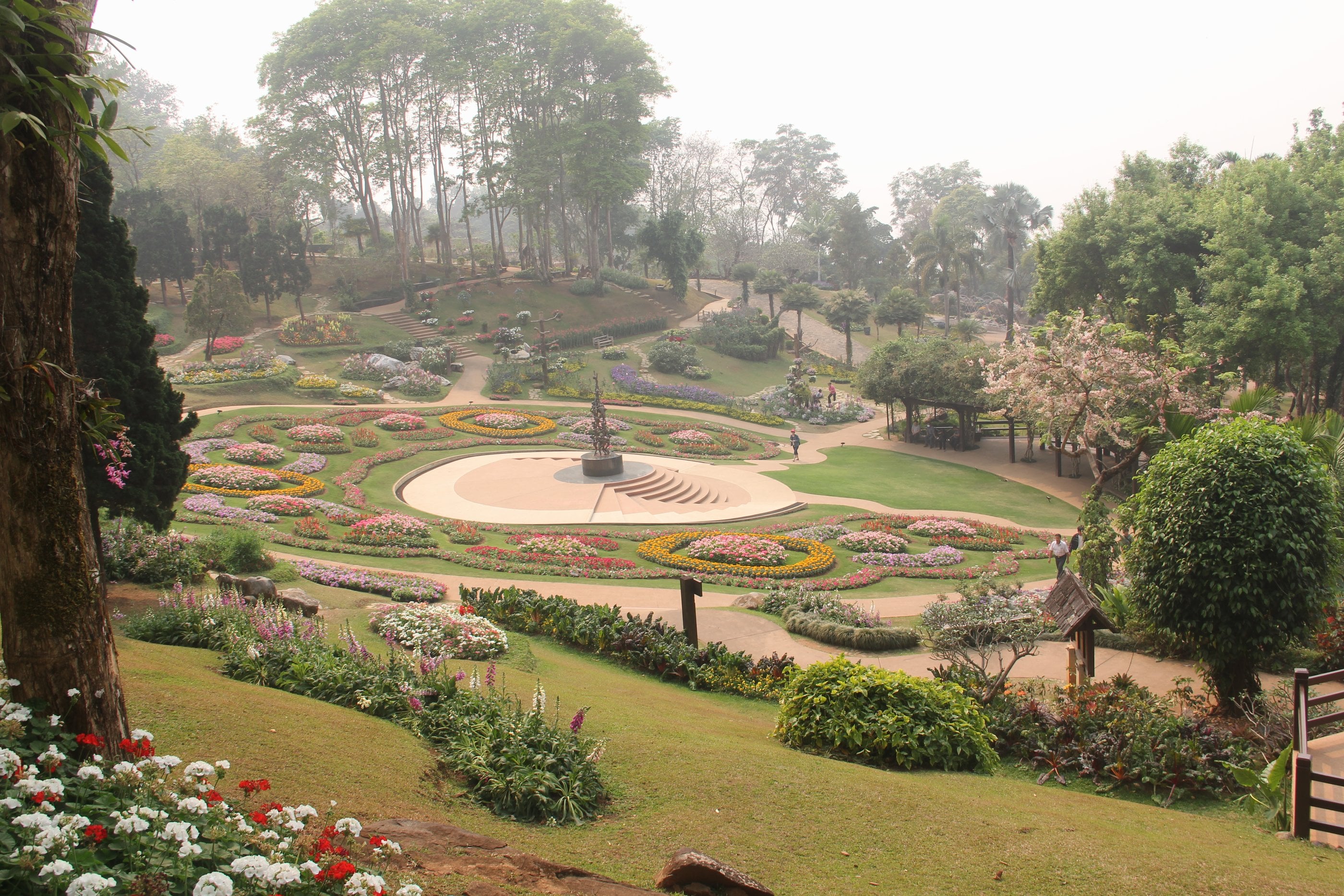
Doi Tung is the other anchor, a mountain on the Myanmar border that carries the legacy of the Mae Fah Luang Foundation. Its hilltop royal villa, the former mountain home of the Princess Mother, and the terraced Mae Fah Luang Garden below it grew out of a project that replaced opium poppy with coffee, tea, and cut flowers across these slopes within living memory. It sits high enough to hold above the haze line in cool season, and on a private circuit it makes a calm half-day of gardens and mountain air with the border country laid out below.
First light at Phu Chi Fa
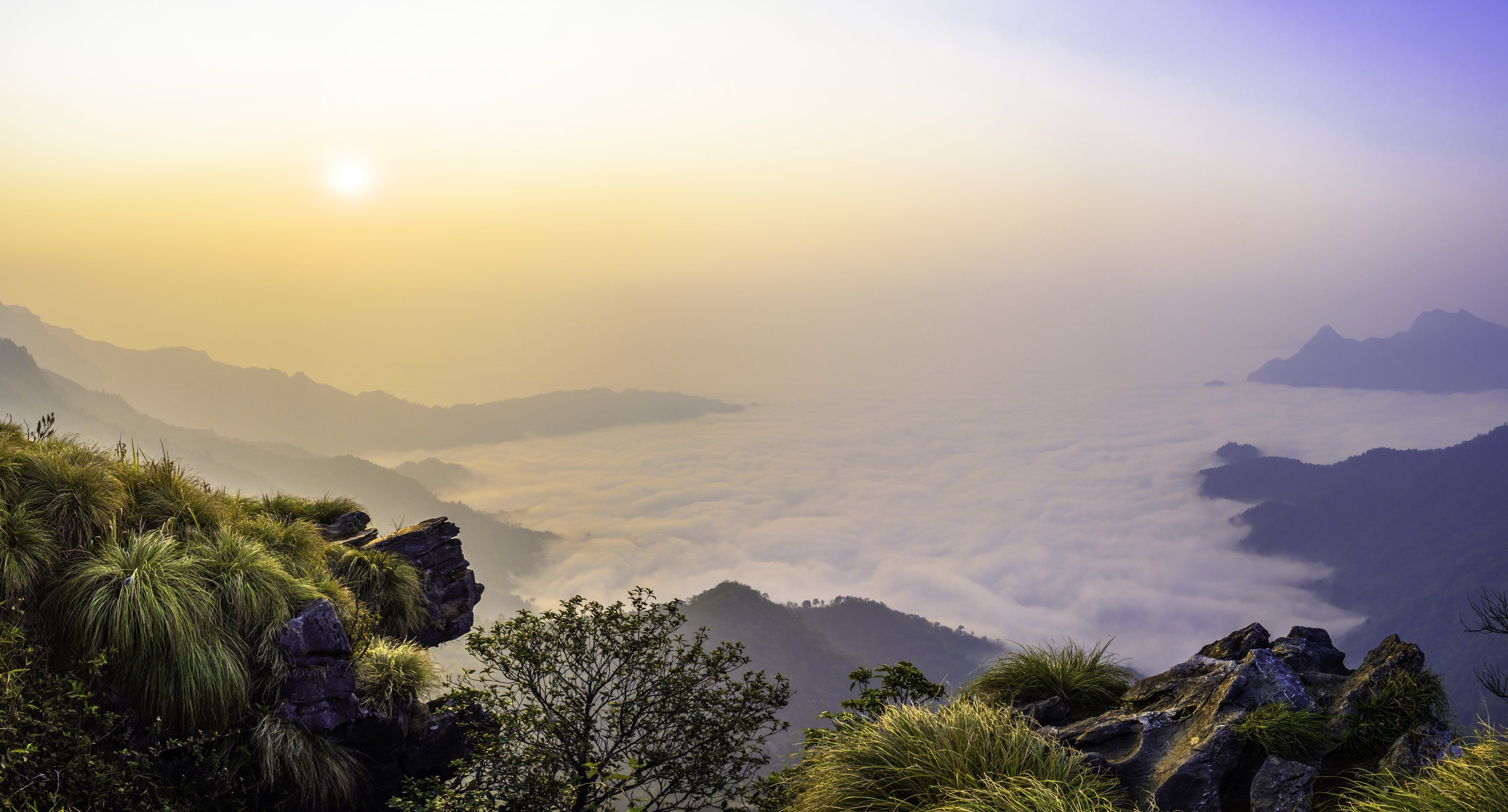
The cover shows a cliff. Phu Chi Fa is a ridge in the far east of Chiang Rai province, right on the border with Laos. It is known for one thing above all. Before sunrise a sea of mist fills the valley below it, so the cliff seems to hang over a white ocean, with the Lao mountains breaking through. It works best in cool season, when cold nights and damp valleys make the mist. A private dawn run is a pre-light departure from a lodge near the base, then a short, steep walk up to the ridge by torchlight. We aim to be at the edge before the day-trippers arrive, so the moment the sun lifts over Laos and the mist turns gold is yours, with a flask of coffee to hand.
Where the circuit sleeps beyond Chiang Mai
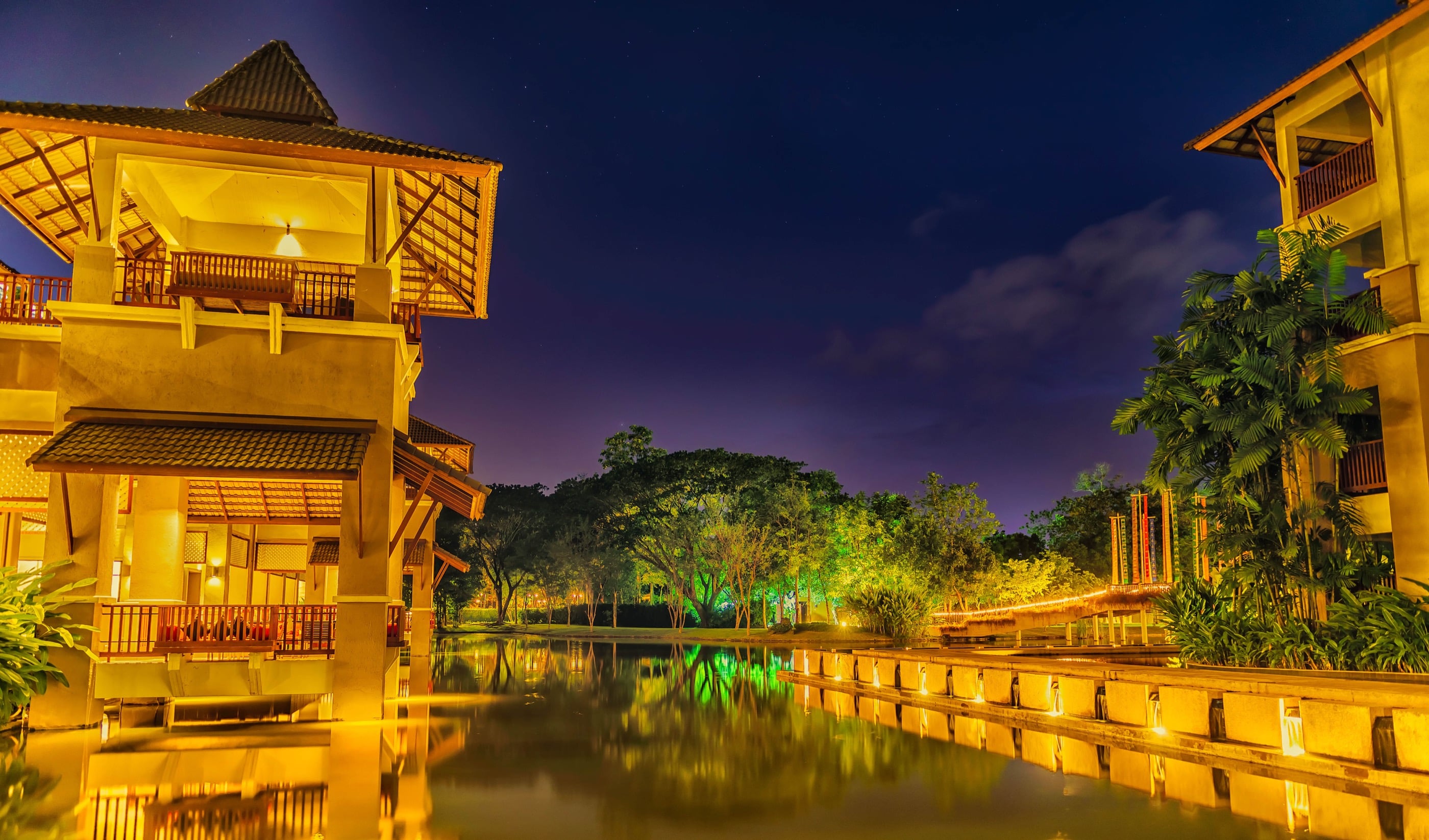
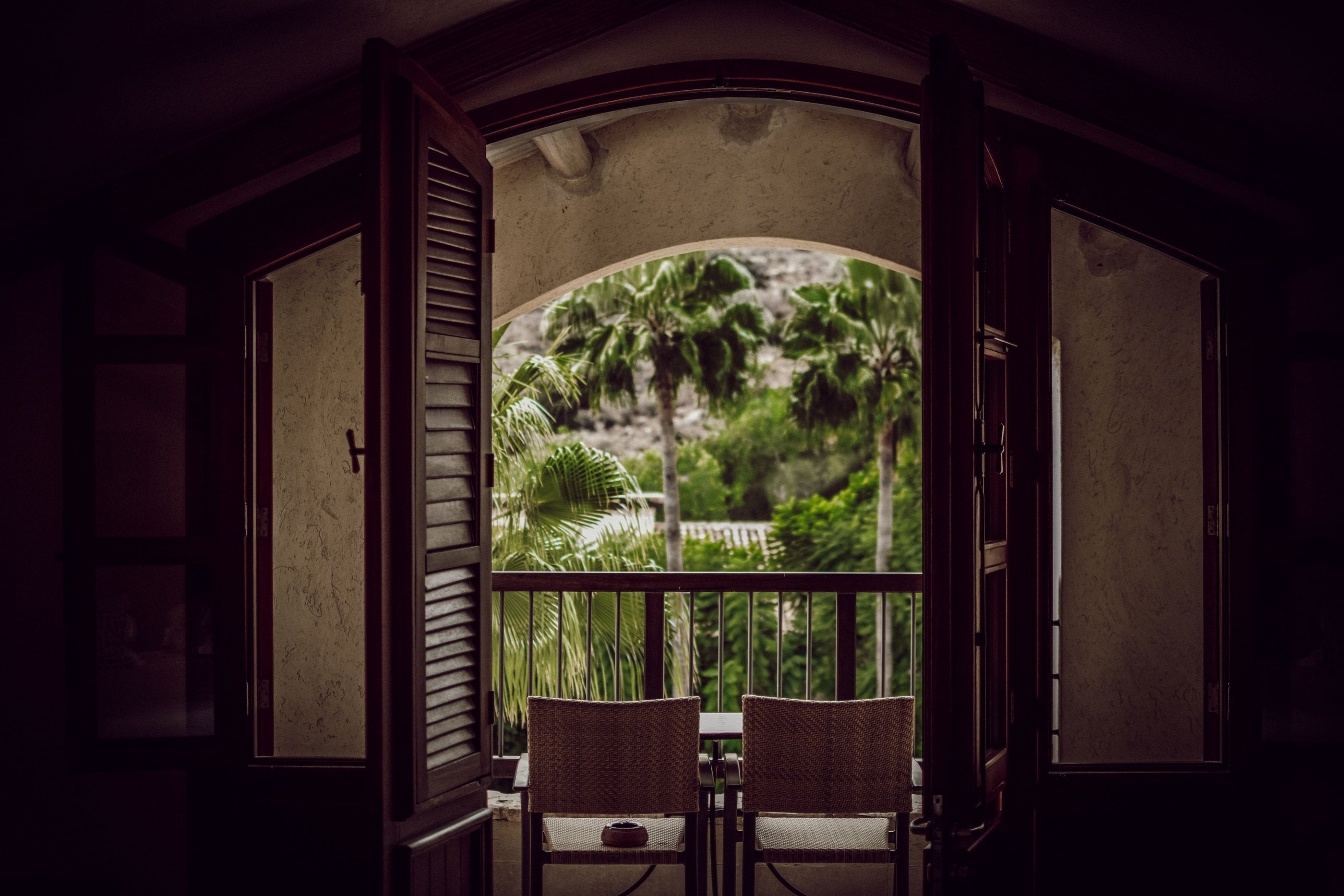
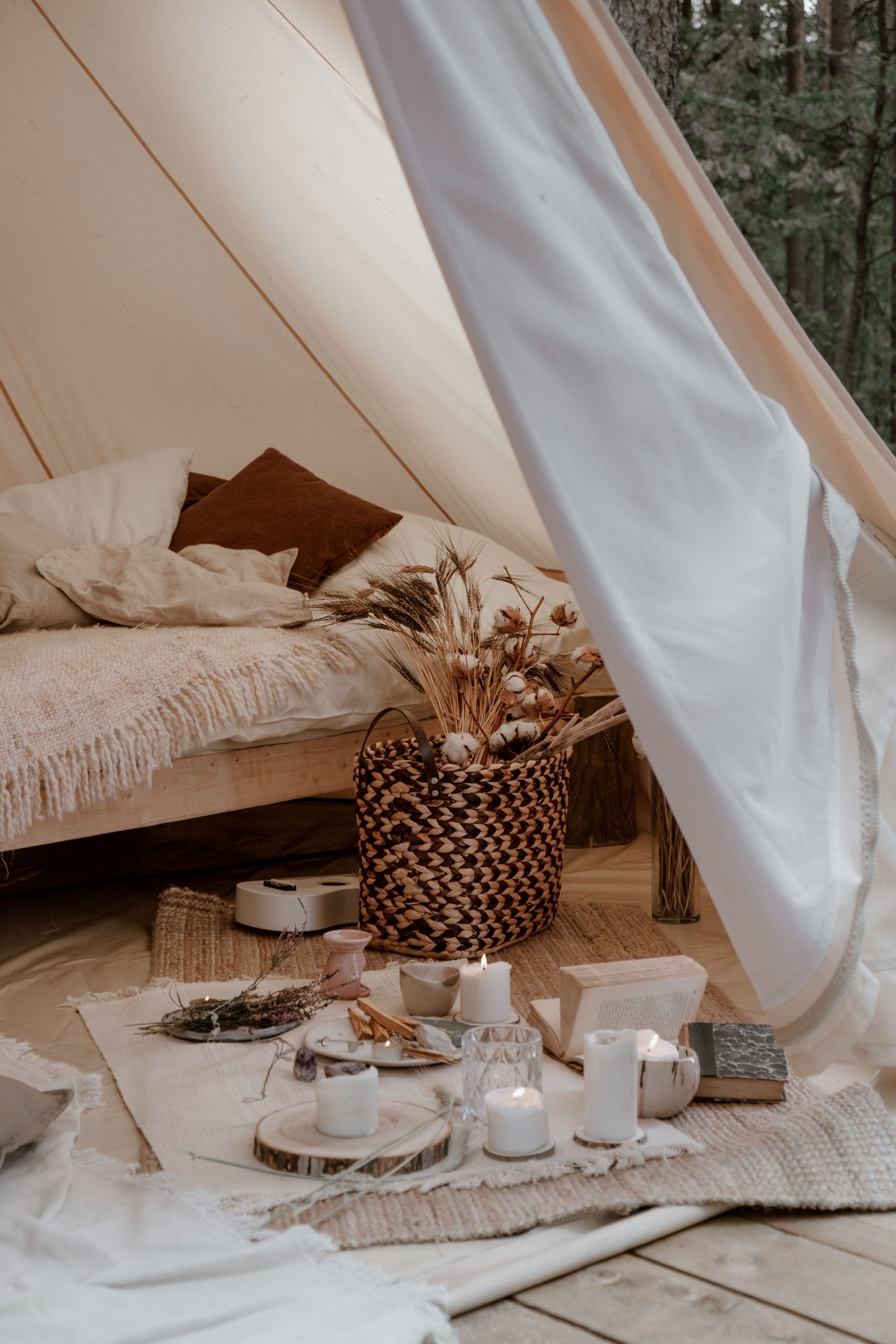
The city's places to stay are their own subject, and our Chiang Mai luxury travel guide owns that ground, the heritage estates, riverside resorts, and hillside villas that set the tone for the base. A region-wide circuit adds two overnight registers a city stay never touches. The first is a night in the high country, in a highland lodge or a tented camp among the tea slopes and cloud forest. The draw is the altitude itself: cold, clean air, the valley falling away below the veranda, a stillness after dark the city never allows. The second is a stay out on the far frontier: a heritage house or a riverside lodge near Chiang Rai and the Golden Triangle. It sits close enough to the Mekong that the border country is a morning's reach. It is also positioned for the pre-dawn starts the frontier viewpoints ask for. We keep specific properties out of a guide like this because the right one shifts with the season, the group, and the rooms open for the dates.
Coordinating the circuit: what the quotation should say
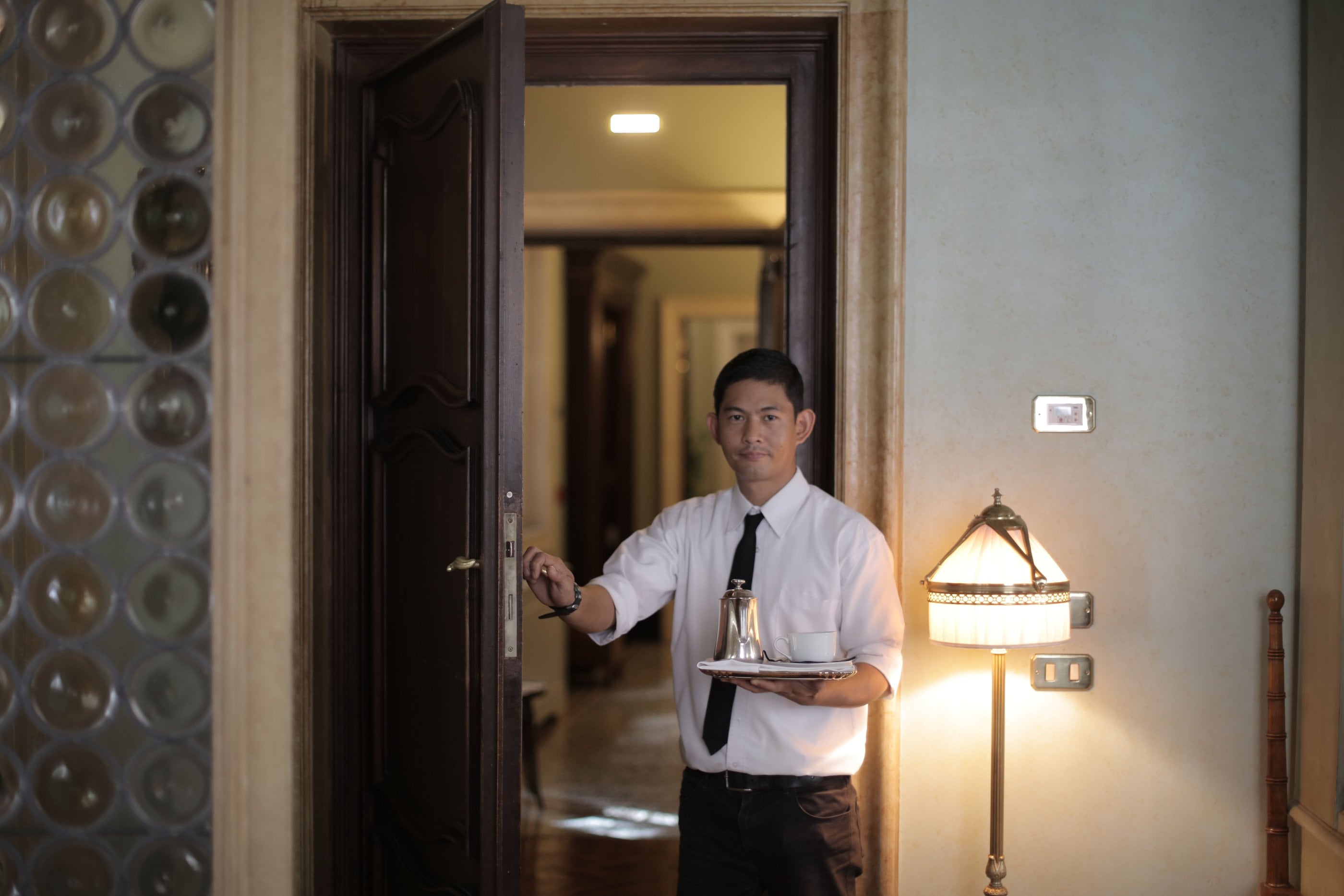
Stitch those legs together and coordination becomes the question. A region-wide circuit has more moving parts than a city stay: several hotels, a private vehicle across hundreds of kilometres, site access at each anchor, two overnights beyond the city, a border-country boat, a pre-dawn run to a frontier cliff. Booked piecemeal, every handover is a risk and a fresh face to trust, so fewer handovers are worth asking for. The quotation should say who coordinates each part, which days the guide and the driver work, the guiding language and the limits of the service. Do not assume the same person accompanies the whole trip unless the quotation confirms it. Our northern Thailand planning example lays out the decisions behind a seven-day route in the same region. The Northern Thailand Discovery, one of our set itineraries, covers part of this route: Chiang Mai, the hills and Chiang Rai. A private circuit like this one is built to order.
Agencies building a circuit like this for a client can send us the client's travel window, group size and preferred pace, and our page on how we work with travel agencies explains net rates on registration. Travellers planning their own trip can use the plan a trip page.
FAQ
How many days do you need for Northern Thailand?
Plan on seven days to see the north as a circuit: three nights in Chiang Mai as the base, a night in the hills, a detour through Lampang on the road, and two nights in Chiang Rai on the Mekong frontier. Five days covers Chiang Mai and a taste of the hills if time is tight, but it is the overnights beyond the city, the highland night and the far-north frontier, that give the region its full shape.
Is Northern Thailand worth it for luxury travellers?
Yes, and it suits the slower, private end of luxury better than almost anywhere in Thailand. The draw is the range one circuit covers: from Doi Inthanon, the country's highest peak at around 2,565 metres, to the Mekong frontier where three borders meet, by way of a Lanna temple compound whose chedi dates to 1449. Taken privately, each of those is met on your terms, at first light and off the coach schedule.
Can you do Chiang Mai and Chiang Rai in one trip?
Easily, and most well-planned northern itineraries include both. They sit roughly a 3 to 3.5 hour drive apart, on a road with worthwhile stops, so the transfer becomes part of the trip instead of lost time. The usual shape is Chiang Mai first as gateway and base, then a move north to Chiang Rai for two nights taking in the art temples and the Golden Triangle. On a private circuit the drive is timed for the middle of the day and broken with a stop such as Lampang, so no one spends a whole morning in the car.
What is the Golden Triangle?
It is the frontier point in Thailand's far north where three borders meet across the water, and it takes its name from the region's history; the view itself is calm and green. The Chiang Rai destination guide carries the location and the history in full. Done privately it becomes a half-day of substance: your own boat out onto the Mekong and a guide to place the frontier in its past.
Does the burning season affect visibility at the Golden Triangle or in the hills?
Yes, and the long views are precisely what it costs. Through the burning season, roughly late February into April, farmers across the upper north and the borderlands clear crop residue. Still air holds the smoke in the valleys. The things the far north is seen for are exactly the things that go: the Mekong frontier, the tea hills, the sea of mist from a cliff like Phu Chi Fa. They lose their distance and their light. Cool season, roughly November to February, is when those views are at their sharpest. We plan haze-sensitive trips into that window and, where dates fall in the shoulder weeks, weight the days toward temples and lower ground while keeping the highland dawns flexible.
Are hill-tribe and highland-village visits in Northern Thailand ethical?
They can be, and the difference is entirely in how the visit is run. The model to avoid is the photo-stop village built for coaches, where residents are on display and little of the money reaches them. The version we book is community-based, where the village sets the terms and takes the income: an ordinary day in the rhythm of the place, its gardens, kitchen, and tea or coffee slopes, with a guide who has a real relationship there. Mae Kampong, the tea-and-coffee village east of Chiang Mai, is one well-known example of the community-run approach. Done that way, a highland visit is a fair exchange.
Do you need a private guide in Northern Thailand?
You do not strictly need one, but it is what turns a scattered region into a single, well-run trip. The north's best moments, a temple before the coaches, a hill community, a quiet Lanna monument, a boat on the Mekong, depend on timing and relationships more than tickets, and those are exactly what a private guide and driver deliver. On a multi-stop circuit, make sure the quotation says whether the same guide stays for the whole trip or guides change between regions, and who coordinates the handovers.
About the author
Wanwisa Puengsawang
CEO, Pai Dai DMC
Wanwisa Puengsawang, known as Sally, is the CEO of Pai Dai DMC. She leads the company's ground operations across Thailand and Vietnam, working directly with wholesale operators, MICE planners, and private clients.
More about Pai Dai DMCFor travel agencies
Planning Thailand or Vietnam for a client?
After we receive a complete brief, we provide a costed quote by the same time on the next business day. Complex multi-country or peak-season requests may take longer; we state the revised deadline when we acknowledge the request.
Plan a private circuit
Let the north unfold on your own terms
Send us a season and a wish list. We can propose a route from the Chiang Mai temples to the sea of mist at Phu Chi Fa, with travel times, activity options and the services still to be confirmed.
Plan a trip