Chiang Mai Luxury Travel Guide: Where to Stay and What to Experience

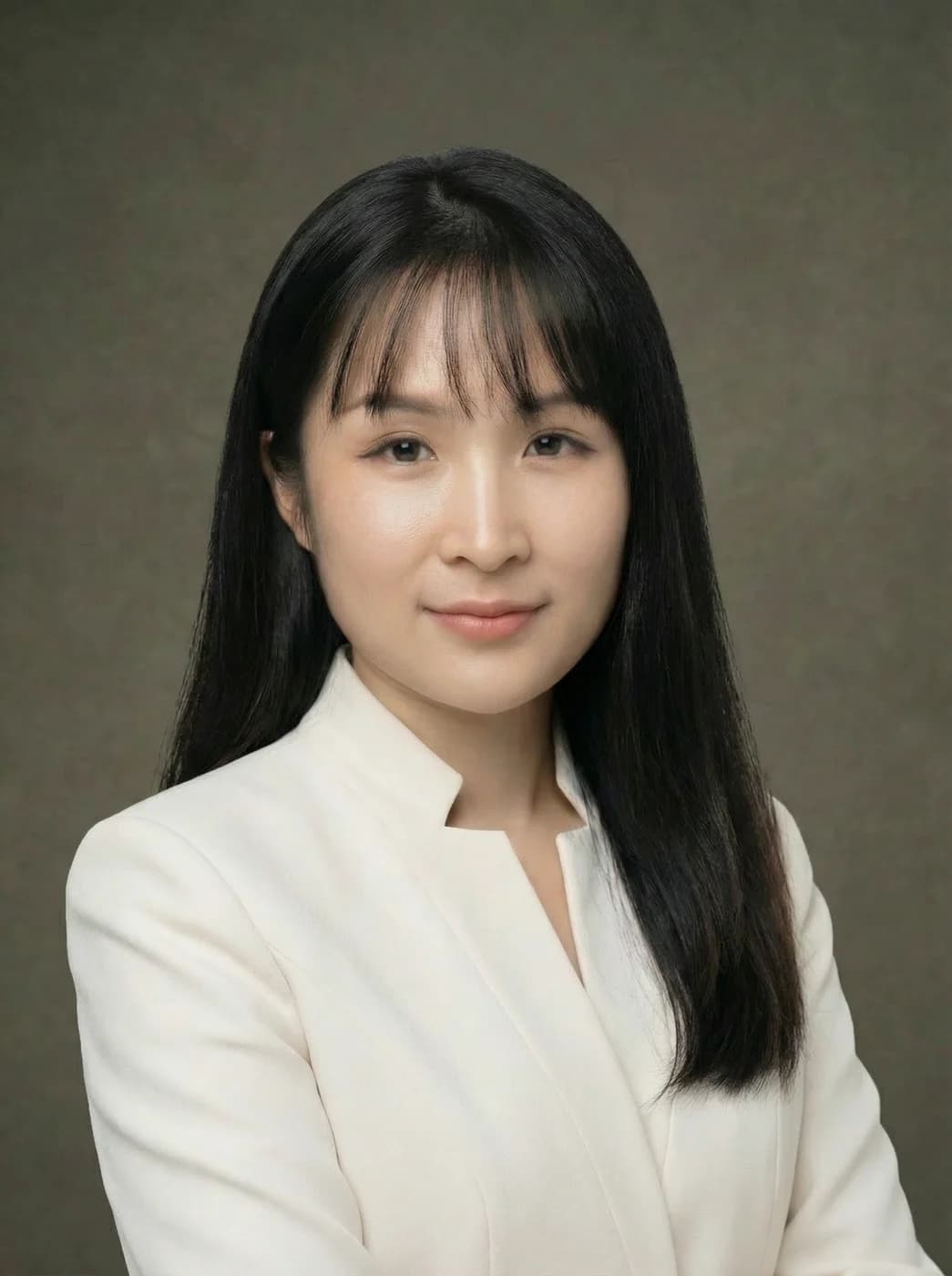
Wanwisa Puengsawang
CEO, Pai Dai DMC
A premium Chiang Mai stay turns on three choices: the kind of stay, the private experiences to request and what to confirm for each, and the season. The city is calmer than Bangkok and was the walled capital of the Lanna kingdom, whose court, cuisine, and temple style shaped the north for some six centuries. It suits clients who have seen the grand sights and now want a slower pace. For first-timer logistics, transport, opening hours and entry costs, see our Chiang Mai destination guide.
Planning a private, tailor-made trip built around Chiang Mai? See our luxury, tailor-made Thailand and Vietnam journeys.
Why Chiang Mai suits a premium stay
At the top end, Chiang Mai is about pace. The old city sits inside a square moat and its walls, low-rise and walkable, with the mountains just to the west and the hill country a short drive beyond. That geography lets a programme alternate between culture and calm without long transfers: a temple morning, a long lunch, an afternoon by a pool that looks onto rice fields, a dinner outdoors. The luxury here is room to breathe, not a packed schedule.
It is also a city of makers, a craft capital of silver, lacquer, woodcarving, textiles, and ceramics still worked by hand, with a food culture to match in the Lanna kitchen, its own herbal, smoky, slow-cooked tradition. Both are easy to find in their tourist form. The value at the top end is doing them privately and properly, with the maker and not the gift shop, the chef and not the buffet. Say so in the brief.
Where to stay in Chiang Mai for a luxury trip
The first decision is which kind of stay sets the tone. Chiang Mai offers three: the heritage house, the resort (in the valley or on the river), and the hillside pool villa. Combining two of them across a stay can make the strongest trip.
The heritage house puts the city's history into the architecture. 137 Pillars House is a restored teak house that once served as part of the Borneo Company's northern headquarters: intimate and low-key, beside the Ping on the east bank in the Wat Gate area, within easy reach of the old city. In a house like this the architecture and the service carry the sense of place, and a Lanna welcome, a baci blessing, or a private dinner in the grounds can be requested without leaving the property. The Dhara Dhevi, on the Chiang Mai to San Kamphaeng road about 5 km east of the centre, defined the larger Lanna-estate style, but its guest rooms are not currently open, so confirm before naming it to a client.
The resort trades the old-city bustle for space and green calm, and it comes in two versions. Four Seasons Resort Chiang Mai sits in the Mae Rim valley among working rice terraces, about 30 minutes from the airport, with pavilion suites and villas looking onto the paddies and a cooking school on site. It is the classic choice for clients who want resort space and quiet over proximity to the temples. Anantara Chiang Mai Resort takes the opposite tack: a contemporary address on the Ping in town, a short walk from the Night Bazaar, with a riverbank made for an afternoon tea or an evening drink. These are illustrative public landmarks, not an exclusive list. The right property always depends on the trip, the season, and the rooms open for your dates, so confirm availability before you name one.
The hillside pool villa is the third, and the most private: a standalone villa in the hills or the Mae Rim valley, with its own pool, cook and staff. It suits families, multi-generational groups, or anyone who wants the city as a day trip from a private base instead of a hotel lobby. A villa needs a car and driver for the stay, and a guide on sightseeing days. Across all three the work is the same, matching the property to the traveller and timing the booking, because in the cool-season peak the best suites at the strongest addresses firm up well ahead.
The private experiences worth booking
Chiang Mai's signature experiences are all sold off the shelf. A private booking changes the group, the guide and the timing. It does not empty a public site.
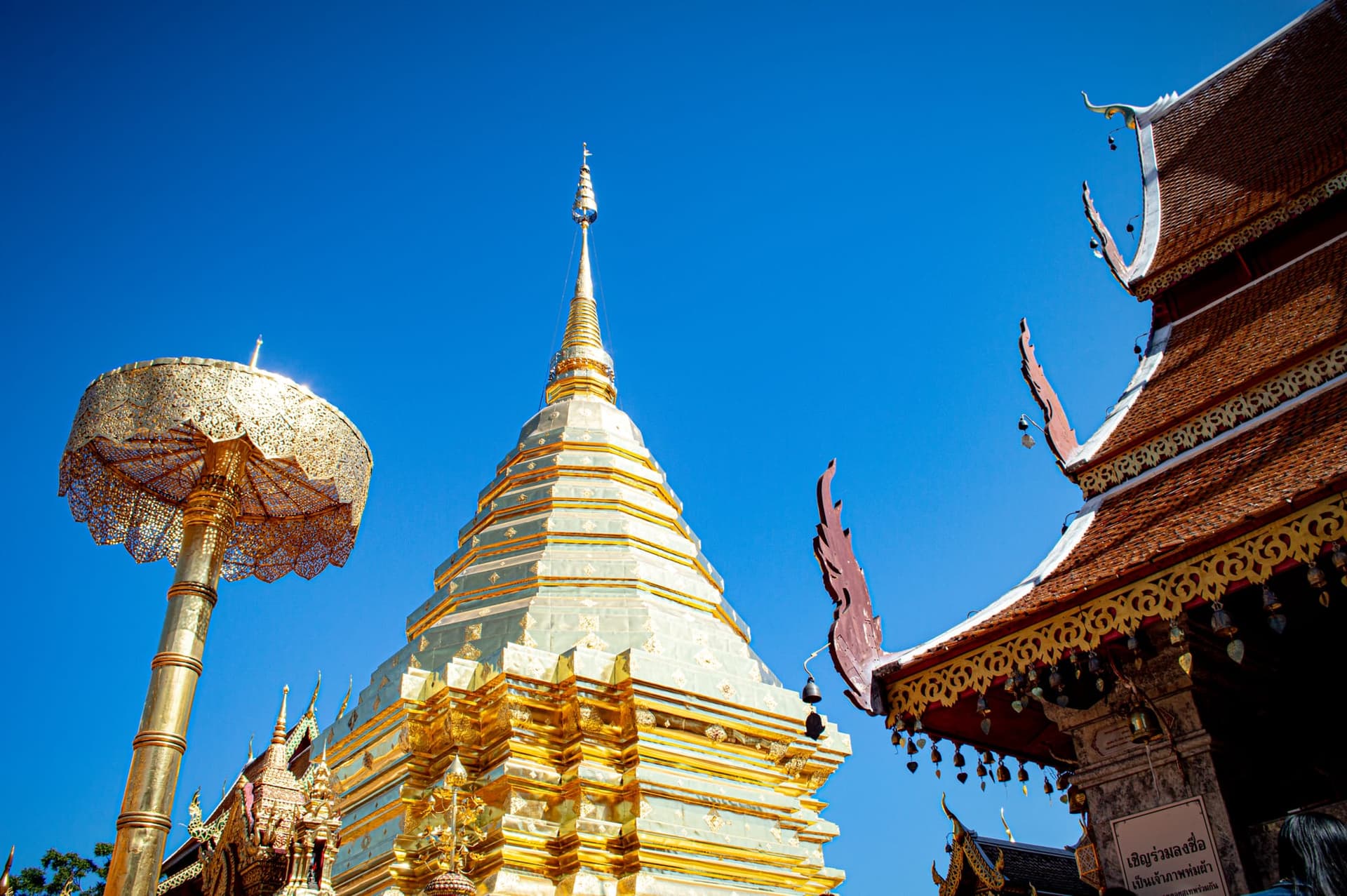
Doi Suthep, early. The mountain temple of Wat Phra That Doi Suthep, its gold chedi above the valley, is the best-known view in the north, and by mid-morning the terrace fills and the haze thickens. Go early, before that happens, with a private guide who can read the iconography and is not hurrying a group on to the next stop. The old-city temples suit the cool, low-lit late afternoon, when the brick of Wat Chedi Luang warms.
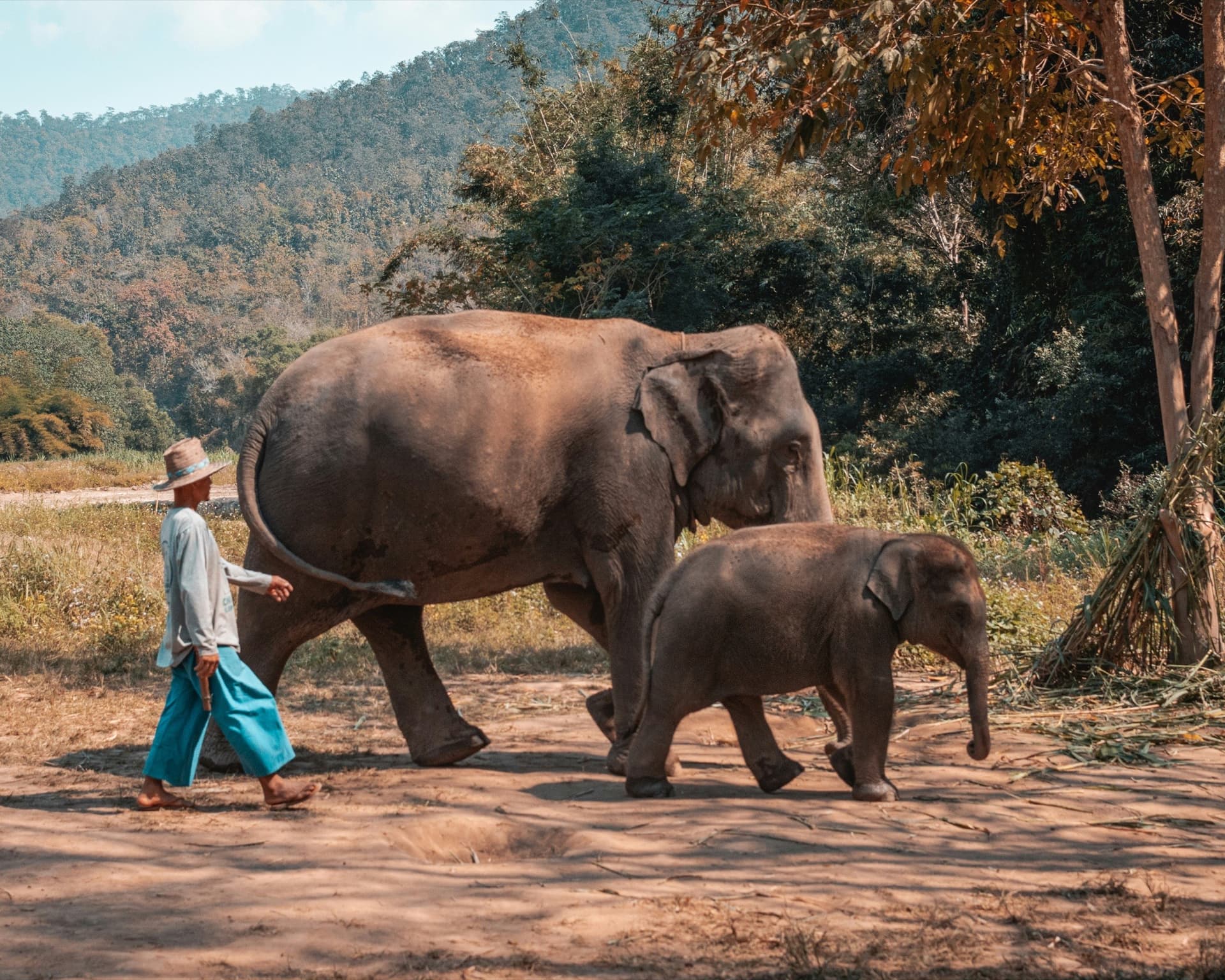
An elephant visit, and the line Pai Dai draws. Pai Dai offers an elephant visit only at a venue that meets four limits: no riding; no bathing or washing by visitors; no hand-feeding or unbarriered contact; and no performances. The venue on the published Northern Thailand Discovery route is still being assessed against those limits. So for any programme with an elephant visit, the quotation says whether it is confirmed, and at which venue, or replaced with another nature or cultural half-day. Tell clients the visit depends on that check.
A private Lanna dinner. Northern Thai food is its own cuisine, and at the high end it deserves its own evening. A khantoke serves the traditional Lanna meal from a low pedestal tray, with music and dance in a heritage setting, not a tourist hall. Or a chef's table, working through the slow curries and pounded plates that define the region. Or a dinner laid out in a hotel's gardens, or on a riverbank. Say in the brief whether the client wants a private room, a table set apart or the whole venue, and confirm the menu and any dietary needs.
A cooking class or a session with a maker. A private cooking class can open with a guided market walk for the herbs, pastes and produce of the region, then work hands-on through the Lanna kitchen with a chef. It fills a half-day well. A session in the workshop of a silversmith, a woodcarver, a ceramicist, or an umbrella painter can be requested in the same way. Either way, the quotation should name the school or workshop and say what the session includes, and the brief should say whether the client wants to watch, to learn or to make something.
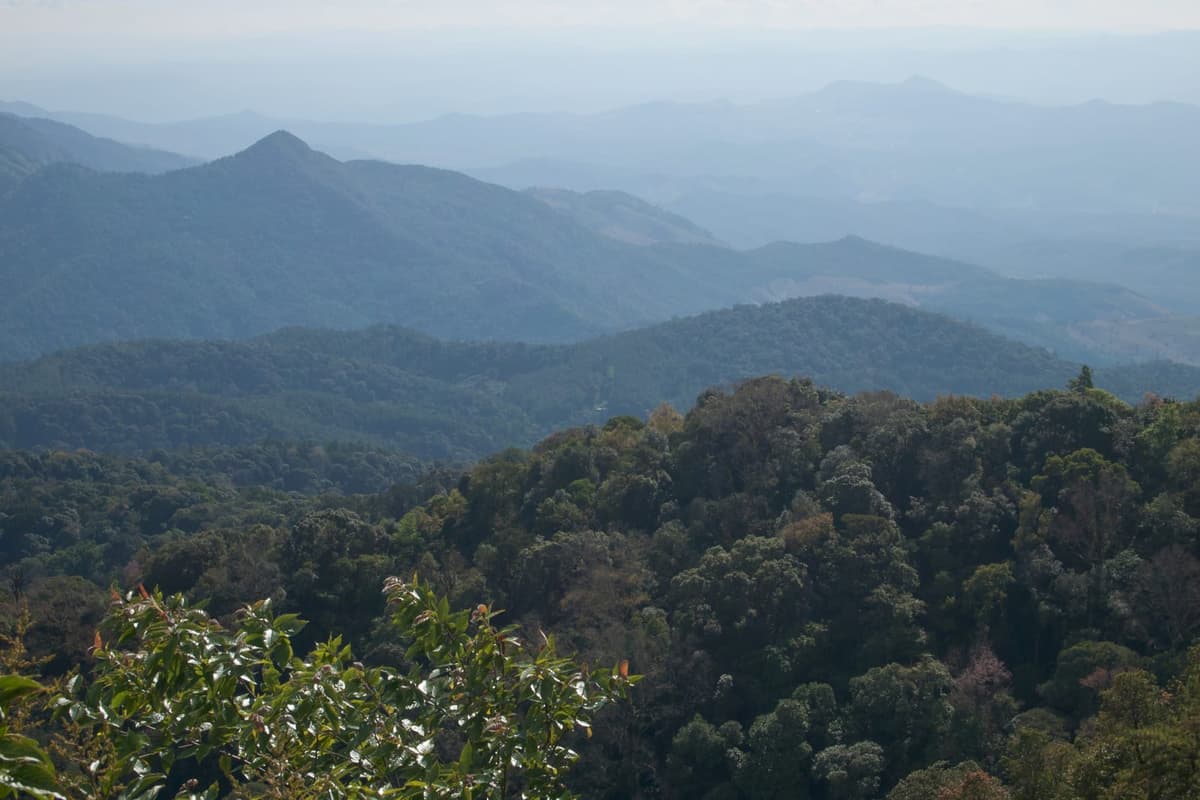
A hill-community day. Beyond the city, the hills hold communities that host visitors. A guided day can follow the rhythm of an ordinary day, the gardens, the kitchen, a shared meal, with a private guide to translate and give context, and some communities host an overnight in the highlands. Before you sell it, confirm who hosts, what the community has agreed to, the photography rules, and the beds if there is an overnight. Village life is not a show to schedule without consent.
Our published sample route, Northern Thailand Discovery, is a different product, not a private luxury stay. It runs six nights by private coach: three in Chiang Mai at an Old City boutique hotel, one at a community homestay toward Mae Chaem, and two in Chiang Rai, with one licensed Thai lead guide and local site guides at the major temples. Its Day 3 splits an elephant visit, at the venue still being assessed, with a northern cooking class. The stays in this guide are built to order.
When a luxury group should go
Timing matters more in the north than almost anywhere else in Thailand. The prime window is the cool season, roughly November to February, when the days are comfortable for temples and the highlands, the mornings turn crisp, and the skies are at their clearest. December and January fill first, so confirm suites well ahead. The November lantern festival of Yi Peng, when paper lanterns rise over the city, falls in this window and is worth planning a trip around when the dates align.
The period to plan around is the burning season, roughly February to April and usually worst in March, when fires across the upper north combine with still air to soften the long views and drop air quality. In late March 2026 IQAir rated Chiang Mai's air "very unhealthy", with index readings above 220, and ranked it the world's most polluted major city. Haze-sensitive clients should avoid that window; November to January is the safer choice for them. If the dates are fixed, weight the programme toward indoor and heritage experiences, private dining, and resort time, and check air quality daily so the outdoor days can move. The green season from roughly June to October is an underrated alternative: the hills are at their most vivid, the rain comes in short afternoon bursts that a well-planned day flexes around, and the strongest properties are quieter and easier to secure. For the full region-by-region picture, our guide to the best time to visit Thailand sets the north against the central plains and both island coasts.
What a DMC adds to a luxury Chiang Mai programme
A traveller can book a famous hotel and a list of sights directly. What a destination management company adds is the sequencing and the choice of suppliers. The sequencing is the judgement that puts Doi Suthep early and the old city in the cool afternoon, gives an elephant visit or its replacement a half-day without crowding the rest, and puts the long drives between anchors instead of at the end of a tiring day. The supplier choice is the right workshop, cooking school, host community and guide for the client, each confirmed for the dates.
And the accountability has to be written down. Fewer handovers mean fewer chances for a detail to drop between one supplier and the next, so continuity is worth asking for. How many guides a trip needs, and on which days, follows the programme; it is not automatically one person for the whole route. The quotation should set out the hotels, the vehicles, the visits, the meals and the guiding, and name the contact for changes on the day. Our northern Thailand planning example lays out the decisions behind a full route; it is a plan to work from, not a record of a delivered trip. Whether the trip is a private family departure or a placement through a travel partner, the same questions apply.
If you are shaping a luxury Chiang Mai trip, send us a target window and a wish list through our plan a trip page, and we will return a shape that fits the season, the right places to stay, and the private experiences worth your days.
Agencies planning a Chiang Mai stay for a client can send us the client's dates, hotel standard and group size, and our page on how we work with travel agencies explains net rates on registration.
FAQ
Where do you stay in Chiang Mai for a luxury trip?
Three kinds of stay suit a premium trip: a heritage house such as 137 Pillars House, beside the Ping in the Wat Gate area within easy reach of the old city; a resort, either in the Mae Rim valley like Four Seasons Resort Chiang Mai or on the river in town like Anantara Chiang Mai Resort; or a private hillside pool villa with its own staff. The Dhara Dhevi's guest rooms are not currently open, so confirm before naming it. Combining two kinds across a stay can make the strongest trip, subject to availability for the dates.
When is the best time for a luxury trip to Chiang Mai?
The cool season, roughly November to February, is prime, with December and January filling first. Haze-sensitive clients should avoid the burning season, roughly February to April and usually worst in March; in late March 2026 IQAir rated the city's air very unhealthy. The green season from June to October is a quieter, vivid alternative when days are planned with some flexibility.
Is Chiang Mai good for a luxury or honeymoon trip?
Yes, and it suits the slower, more private kind of luxury particularly well. A valley resort, a riverside hotel or a hillside pool villa gives seclusion and space, a private Lanna dinner makes an occasion, and the city pairs naturally with a beach extension on either coast for a honeymoon that mixes culture and rest.
What are the best private experiences in Chiang Mai?
The ones worth requesting privately are an early start at Doi Suthep before the terrace fills, a private Lanna dinner or chef's table, a cooking class or a session with a maker, and a guided day with a hill community that has agreed to host. Pai Dai offers an elephant visit only at a venue that meets all four limits (no riding, no bathing or washing by visitors, no hand-feeding or unbarriered contact, no performances), and the quotation says whether it is confirmed. A private booking changes the group and the timing, not the crowds at a public site.
Why use a DMC for a luxury Chiang Mai trip instead of booking direct?
The hotels and sights are the easy part. A destination management company adds the sequencing that times each visit to the weather and the crowds, and the choice of suppliers for the experiences. The result should be a written programme that the agency can check before it sells the trip.
About the author
Wanwisa Puengsawang
CEO, Pai Dai DMC
Wanwisa Puengsawang, known as Sally, is the CEO of Pai Dai DMC. She leads the company's ground operations across Thailand and Vietnam, working directly with wholesale operators, MICE planners, and private clients.
More about Pai Dai DMCFor travel agencies
Planning Thailand or Vietnam for a client?
After we receive a complete brief, we provide a costed quote by the same time on the next business day. Complex multi-country or peak-season requests may take longer; we state the revised deadline when we acknowledge the request.