Traditional Thai Massage: The Tradition Behind the Mat, and a Week Built on It

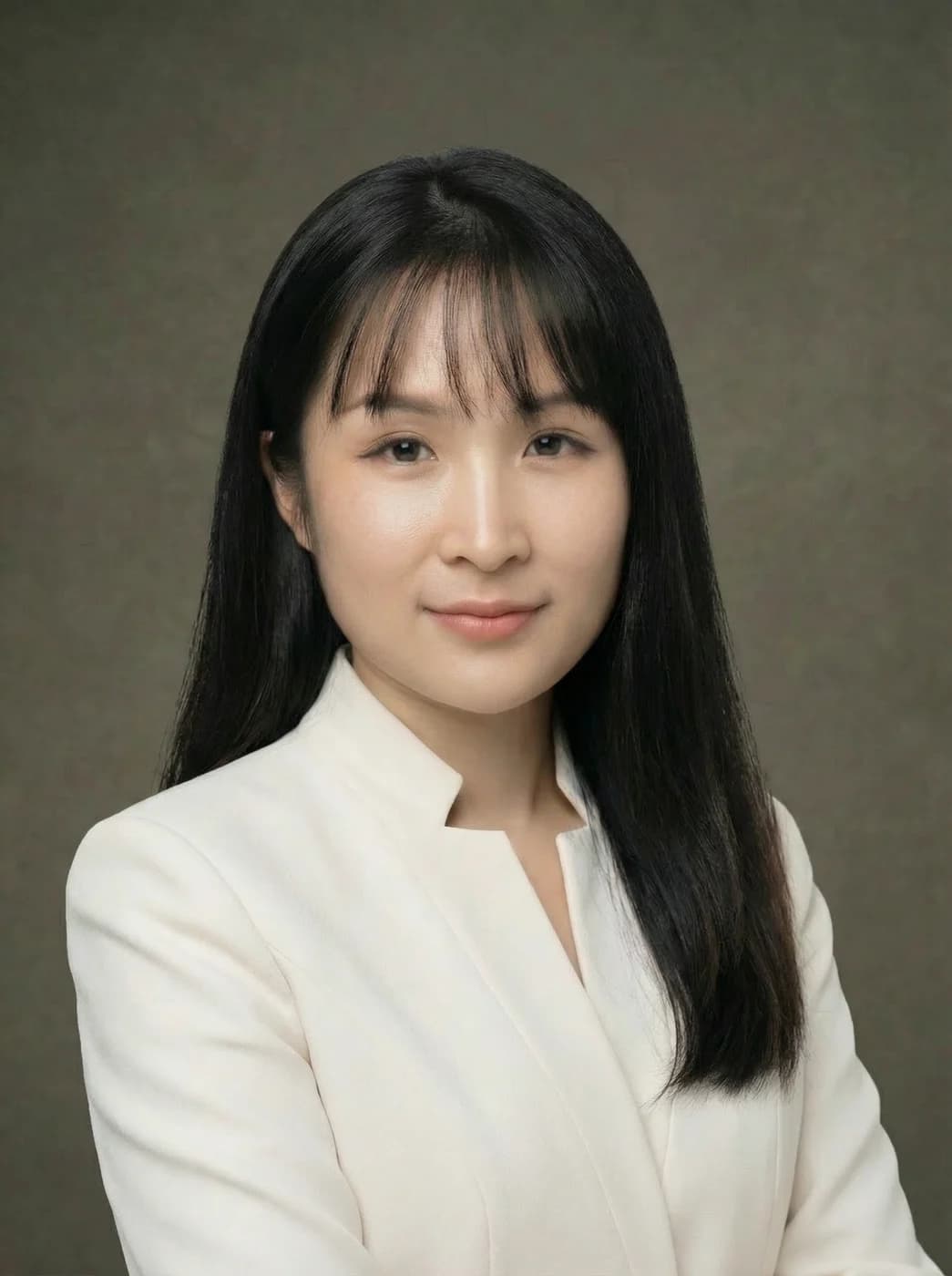
Wanwisa Puengsawang
CEO, Pai Dai DMC
Most people meet Thai massage for the first time on holiday. An hour under a ceiling fan, a pair of thumbs that finds the knot in your shoulder at once, and then a stretch nobody warned you about. Some people walk out loose and sleepy. Others walk out sore, and not sure whether that was meant to happen.
Both are fair first impressions, and neither is the whole picture. The same two words cover a half-hour foot rub on a market street and a body of knowledge that a Thai king had inscribed on the walls of a Bangkok temple in the 1830s. In 2019 UNESCO added it to its list of the world's intangible heritage.
This guide is for anyone who wants the second version. It covers what happens in a traditional Thai massage, where the tradition was written down, the styles you will meet in a Thai spa, who should ask a doctor first, and how we build a week on Koh Phangan around it.
At a glance
| The question | The short answer |
|---|---|
| What it is | Pressure and slow stretches on a floor mat, in loose clothes, with no oil |
| How long | Two hours leaves time for the whole body; one hour covers less |
| Where it was written down | Wat Pho in Bangkok, where King Rama III had massage diagrams inscribed on plaques during a renovation begun in 1832 |
| UNESCO listing | UNESCO added Nuad Thai, traditional Thai massage, to its intangible cultural heritage list in 2019 |
| Styles you will meet | The traditional massage, the herbal compress, the foot massage and, in the north, tok sen |
| Learning the basics | The school inside Wat Pho has taught Thai massage since 1955 |
| Ask a doctor first | Pregnancy, high blood pressure, heart or circulation problems, fragile bones, fever, open wounds or blood thinners |
| A week built on it | Our seven days on Koh Phangan: two hours on the mat, a herbal compress, herbal steam and a cooking class with the same herbs |
What happens on the mat
You change into loose cotton clothes that the spa gives you and lie on a padded mat on the floor. There is no oil. The therapist kneels beside you and works along your legs, back, arms and shoulders with palms and thumbs, and at times with elbows, knees and feet. Between the pressure come slow stretches: a leg folded across your body, your back eased into a gentle arch, your arms drawn overhead.
It is firmer and more active than an oil massage, and it can feel more like being moved than being rubbed. That surprises people who expect a spa treatment to be passive. Say how firm you want it before you start, and say so again if it hurts: a good therapist changes the pressure, and pain is not the point.

The tradition explains its own work through sen, lines of energy that it says run through the body. Thai teaching counts ten main lines, called sen sip. UNESCO describes the belief behind them: that illness comes from energy blocked along these lines, and that the practitioner helps rebalance the body, its energy and its structure. That is the tradition's own explanation. A massage on holiday is a way to rest and feel looser, not a treatment for an illness.
Two hours leaves the therapist time to work through the whole body without hurrying. One hour covers only part of it.
Where the tradition was written down: Wat Pho
For centuries Thai massage passed from teacher to student by hand, in villages and at the royal court. The place where much of it was finally written down is Wat Pho, the temple of the reclining Buddha next to the Grand Palace in Bangkok.

In 1832 King Rama III began a renovation and enlargement of the temple that took more than sixteen years. He wanted it to work as a public place of learning, so its walls and pavilions were covered with diagrams and inscriptions on medicine, history and other subjects. According to the temple's own massage school, a royal physician led the carving of the medical knowledge. Among them are 60 inscribed plaques, 30 for the front of the body and 30 for the back, marked with the points and lines a massage follows. Statues of hermits in the temple grounds show the postures of ruesi dat ton, a Thai tradition of stretching exercises done on your own.

Wat Pho is still a working school. The Wat Pho Thai Traditional Medical and Massage School opened inside the temple in 1955. If you stay a few days in Bangkok before the islands, an early morning at Wat Pho shows you where the tradition you will meet later was set down. It is also the first stop on the first morning of sightseeing on our Thailand Cultural Circuit, and our Bangkok guide covers the old royal quarter around it and the cross-river ferry to Wat Arun.
The tradition honours Jivaka Komarabhacca, remembered in the Pali Buddhist texts as the Buddha's physician, at the head of its line of teachers. Schools and individual healers hold a wai khru, a ceremony that thanks a practitioner's teachers, living and past, back to Jivaka. You do not need any of this to enjoy a massage, but it shows how seriously the people who teach it take the line they belong to.
In 2019 UNESCO inscribed Nuad Thai, traditional Thai massage, on its Representative List of the Intangible Cultural Heritage of Humanity. UNESCO describes it as manual therapy and part of Thai healing, and notes that it began as care given in villages before it became a formal system of knowledge.
Four styles you will meet in a Thai spa
A Thai spa menu can run to several pages. Four treatments are worth knowing before you read one.
Traditional Thai massage. The one described above: clothed, on a mat, no oil, pressure and stretches. Book two hours if you can. Spa menus often call it traditional Thai massage or Thai massage; Nuad Thai is the Thai name.
The herbal compress. In Thai it is called luk pra kob. Cotton bundles of chopped herbs are steamed until hot, then pressed and rolled along the body, often after a massage. Recipes vary from spa to spa. Most include plai, a root in the ginger family, and turmeric, and many add lemongrass, kaffir lime, tamarind leaves and camphor. The heat and the smell are a large part of it: the room fills with something between a kitchen and a forest.


Thai foot massage. You sit back in a reclining chair, your feet are washed, and the therapist works the soles and lower legs with thumbs and a small wooden stick. It is the gentlest of the four and a good way in after a long flight. Our Koh Phangan journey books an hour on the first evening and half an hour on the last morning.
Tok sen. In the north, around Chiang Mai, some therapists practise tok sen, a Lanna (northern Thai) folk tradition. The therapist taps along the body with a wooden mallet and a wooden peg, following the same sen lines. Our Chiang Mai guide covers the north if you want to add a few days there.


Oil and aromatherapy massages appear on the same menus. They are pleasant, and they are a different thing: lying on a table, with oil, and no stretching. If the tradition is what you came for, ask for the mat.
How to tell a good spa from a quick one
Thailand licenses massage businesses as health establishments and licenses the people who practise in them, so a good spa can tell you that it holds a licence and that its therapists are registered. That is the first question, not the last. The rest you can judge in the first few minutes.
The best sign is a short conversation before you lie down: a good therapist asks about injuries, pregnancy and pressure before touching you. After that, look for these:
- Time. A menu that offers 90 or 120 minutes of traditional massage is a spa that expects people to come for the real thing. Thirty minutes is enough for feet and not much more.
- The room. A quiet room or an open sala, a clean mat, fresh cotton clothes laid out for you. Street-front chairs are fine for feet and less suited to the full sequence.
- Asking as it goes. A therapist who checks the pressure now and then, and changes it without fuss, knows the work.
- No pressure to buy. A good spa will not sell you a package before your first treatment.

On our journeys every treatment is at a licensed spa with a registered Thai therapist, usually in the hotel where you are staying, so you walk back to your room afterwards instead of sitting in a car. If you are planning a stay rather than a programme, our guide to a wellness holiday on Koh Samui or Koh Phangan compares four resorts and their spas.
Who should ask a doctor first
Thai massage is firm, and the stretches move joints a long way. Thailand's Department of Thai Traditional and Alternative Medicine has set out who should not have a massage, or should have one only with a doctor's advice. Its list, as reported by the newspaper Thairath, includes:
- pregnant women;
- people with high blood pressure that is not under control, or with heart or blood vessel disease, including blood clots;
- people with diabetes whose blood sugar is high;
- people with osteoporosis or fragile bones, and people with cancer;
- anyone with a fever, open or infected wounds, or who takes blood thinners.
If any of these applies to you, ask your doctor before you travel, and tell the spa before the treatment starts. A therapist can leave out the stretches, keep to a foot massage or a gentle compress, or suggest something else entirely. The same goes for herbal steam, which is not for everyone. On our journeys we ask you to tell us about any injury, medical condition or pregnancy before you travel.
A week built on the tradition, on Koh Phangan
One massage on holiday shows you a single piece of the tradition. Our seven-day journey, The Art of Thai Healing, takes you through more of it, a piece at a time, at one hotel on Thong Nai Pan Noi on the north-east coast of Koh Phangan.

The week starts gently, with an hour of foot massage on the first evening after the speedboat from Koh Samui. The second day is two hours on the mat, and nothing else is booked. On the third day a guide takes you round a fresh market in the early morning, where lemongrass, galangal, fresh turmeric and kaffir lime leaves are sold by the bundle, and in the afternoon you pound a curry paste in a stone mortar at a cooking class. On the fourth day many of those same herbs come back, steamed hot inside a cotton compress. Herbal steam, an early temple visit, the night market in Thong Sala and one treatment of your choice fill the rest of the week.
The thread through the week is the herbs: you see them at the market, cook with them, and then feel them in the compress. That is the part a single massage cannot give you.
You stay six nights at Panviman Resort, whose spa sits on the hill above the bay, or at Anantara Rasananda, whose spa has a tropical steam cave in a jungle garden. Both have their own Thai cooking class, so most of the week is a short walk from your room. Ten- and fourteen-day versions add more treatments, a second class and a week nearer Thong Sala.

The treatments are indoors or under a roof, so the week runs in any month. February to September is the most settled time for the market mornings and the boat. The heaviest rain falls from the second half of October to the first half of December; our guide to the best time to visit Thailand explains why the Gulf coast keeps a different calendar from Phuket. If you would rather build the week around sound or the sea, the same bay hosts our sound retreat and sea journey, and our Koh Phangan wellness page sets the three side by side.
Pai Dai DMC plans the stay and the travel around it: the airport transfer and the crossing from Koh Samui, any days in Bangkok first, and a proposal that sets out what is included, with costs, before you decide. The spas run their own treatments. Our Thai company, Paidai Online Co., Ltd., holds Tourism Business Licence 11/13335 and works from Bangkok.
If you have had one Thai massage and want the rest of the tradition, send us your dates, who is travelling and anything a therapist should know, and we will send back the week we would plan, with the hotel and the boat worked out.
FAQ
Is a Thai massage supposed to hurt?
No. It is firm, and some stretches go further than you expect, but pain is not the aim. Tell the therapist how firm you want it before you start, and again during the massage if it hurts.
What should I wear for a Thai massage?
The spa gives you loose cotton clothes to change into. A traditional Thai massage is done clothed, on a mat, without oil, so you keep the clothes on throughout.
How long should a traditional Thai massage be?
Two hours leaves time for the whole body. One hour is a shortened version, and thirty minutes is usually a foot massage.
What is the difference between a Thai massage and an oil massage?
A Thai massage is done on a floor mat, clothed, with pressure and stretches and no oil. An oil or aromatherapy massage is done on a table with oil, and has no stretching.
Can I learn Thai massage in Thailand?
Yes. The school at Wat Pho in Bangkok has taught Thai massage inside the temple since 1955. On our Koh Phangan journey, where the spa offers it, a therapist can also show you a few simple moves to try at home.
Is Thai massage safe during pregnancy?
Thailand's Department of Thai Traditional and Alternative Medicine lists pregnancy among the reasons not to have a massage without medical advice. Ask your doctor before you travel, and tell the spa before any treatment.
Official sources
- UNESCO: Nuad Thai, traditional Thai massage, inscribed in 2019 on the Representative List of the Intangible Cultural Heritage of Humanity
- Wat Pho: the Thai Traditional Medical and Massage School, opened inside the temple in 1955
- Wikipedia: Wat Pho, on King Rama III's renovation from 1832 and the medical inscriptions
- Wikipedia: Thai massage, on the sen lines and the herbs in a herbal compress
- Thairath: who should avoid massage, citing Thailand's Department of Thai Traditional and Alternative Medicine
- Wikipedia: Wai khru, on the teacher-honouring ceremony in Thai massage and medicine and its line of teachers back to Jivaka
- MGR Online (23 Dec 2017, in Thai): the Director-General of Thailand's Department of Thai Traditional and Alternative Medicine describes tok sen as Lanna folk medical wisdom
- Royal Thai Government: licence fees for health establishments and massage practitioners
About the author
Wanwisa Puengsawang
CEO, Pai Dai DMC
Wanwisa Puengsawang, known as Sally, is the CEO of Pai Dai DMC. She leads Pai Dai's trip planning and coordination across Thailand and Vietnam, working directly with tour operators and private clients.
More about Pai Dai DMCFor travellers
Planning your own trip to Thailand or Vietnam?
Tell us where you would like to go, when, and who is coming. Our team in Thailand and Vietnam reads your answers and writes back by email.
See a sample route: The Art of Thai Healing: A Private Thai Massage Journey on Koh PhanganFor travel agencies
Planning Thailand or Vietnam for a client?
After we receive a complete brief, we provide a costed quote by the same time on the next business day. Complex multi-country or peak-season requests may take longer; we state the revised deadline when we acknowledge the request.