Is Thailand Right for Your MICE or Incentive Group?


Wanwisa Puengsawang
CEO, Pai Dai DMC
For most incentive trips and small to mid-size meetings, yes. Three things decide it: whether the group size matches the venues you actually want, whether the calendar suits the season, and how much ground the programme has to cover between settings.
Where Thailand fits for MICE and incentives
Three settings, one country, short flights between them.
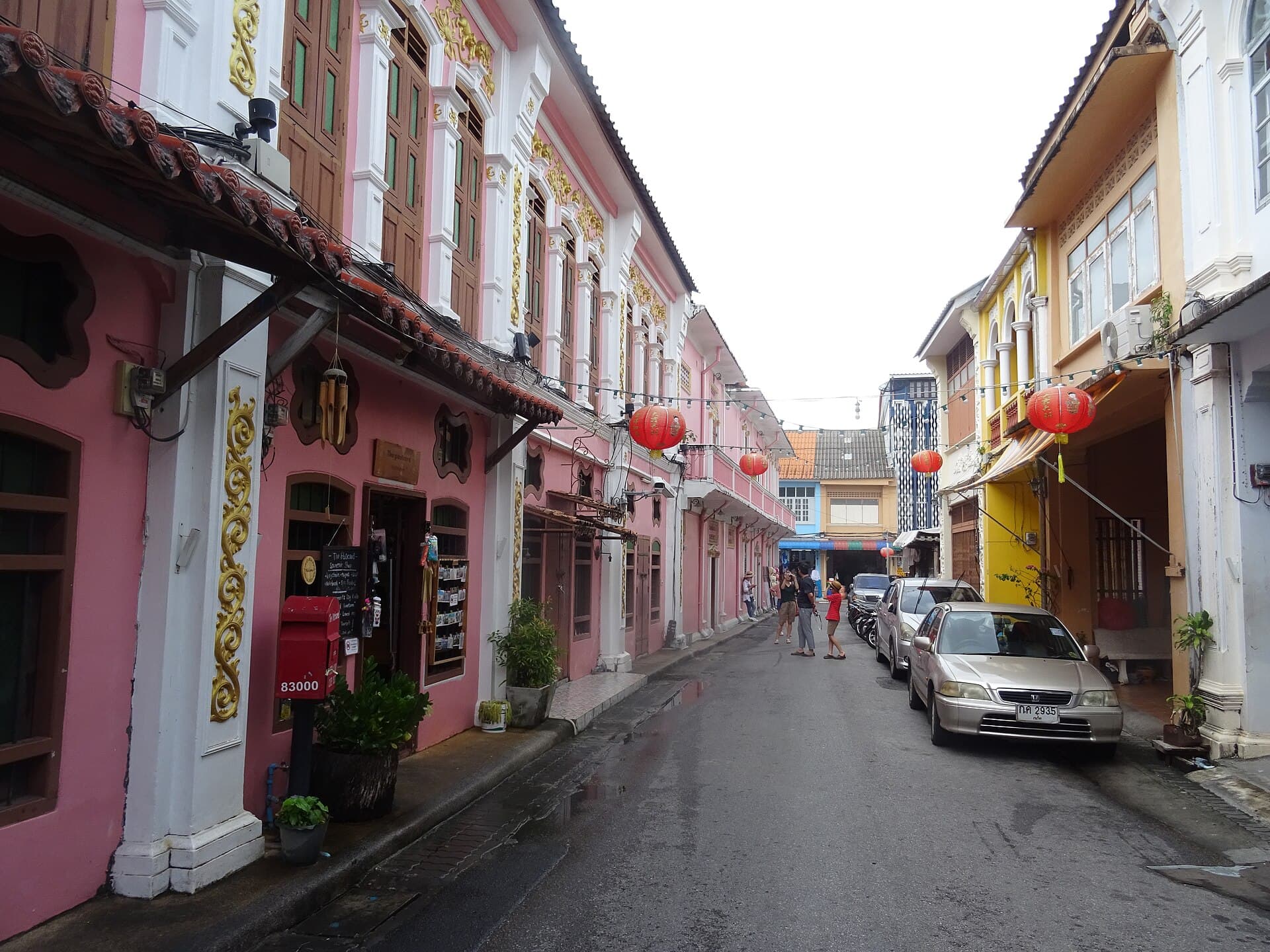
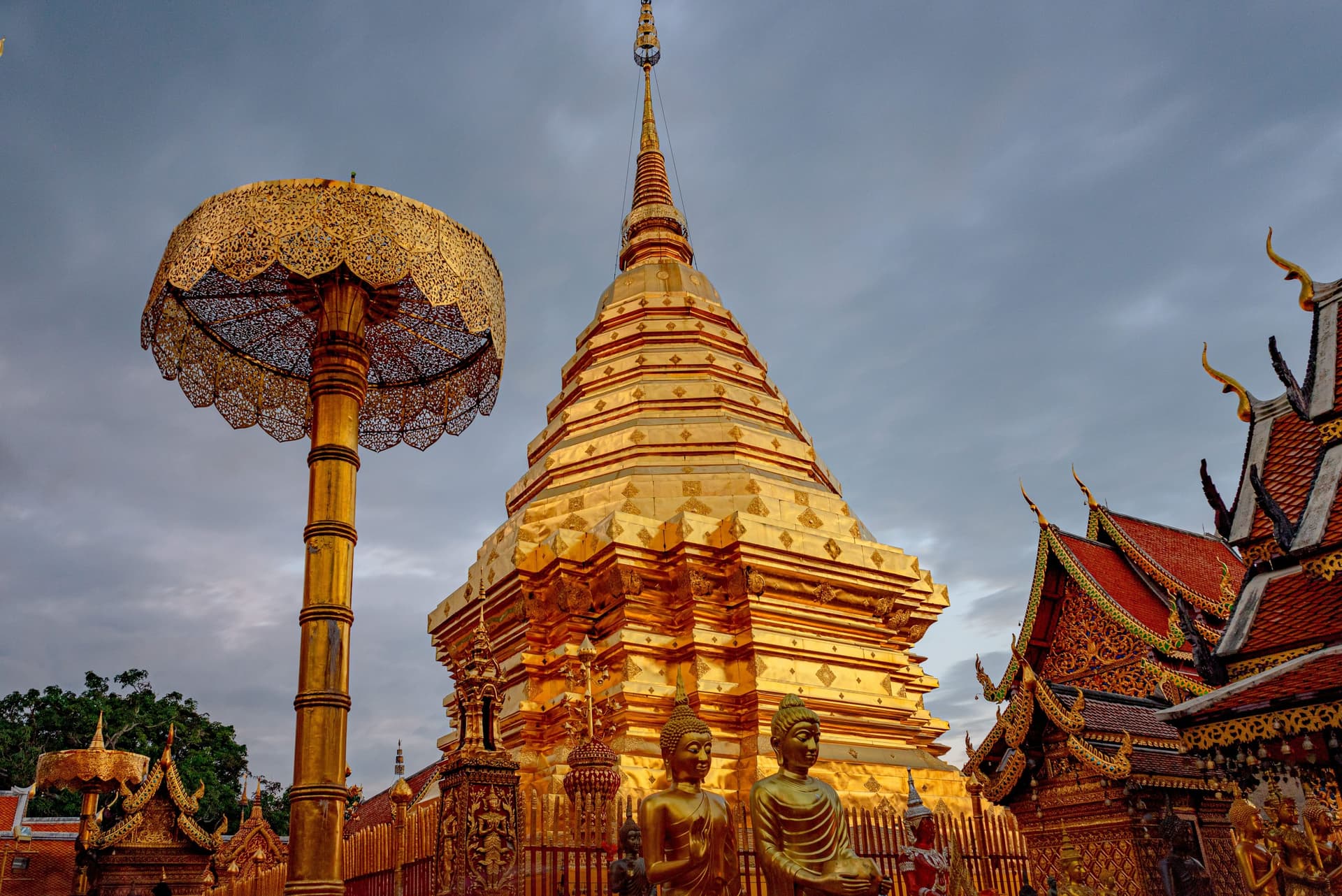
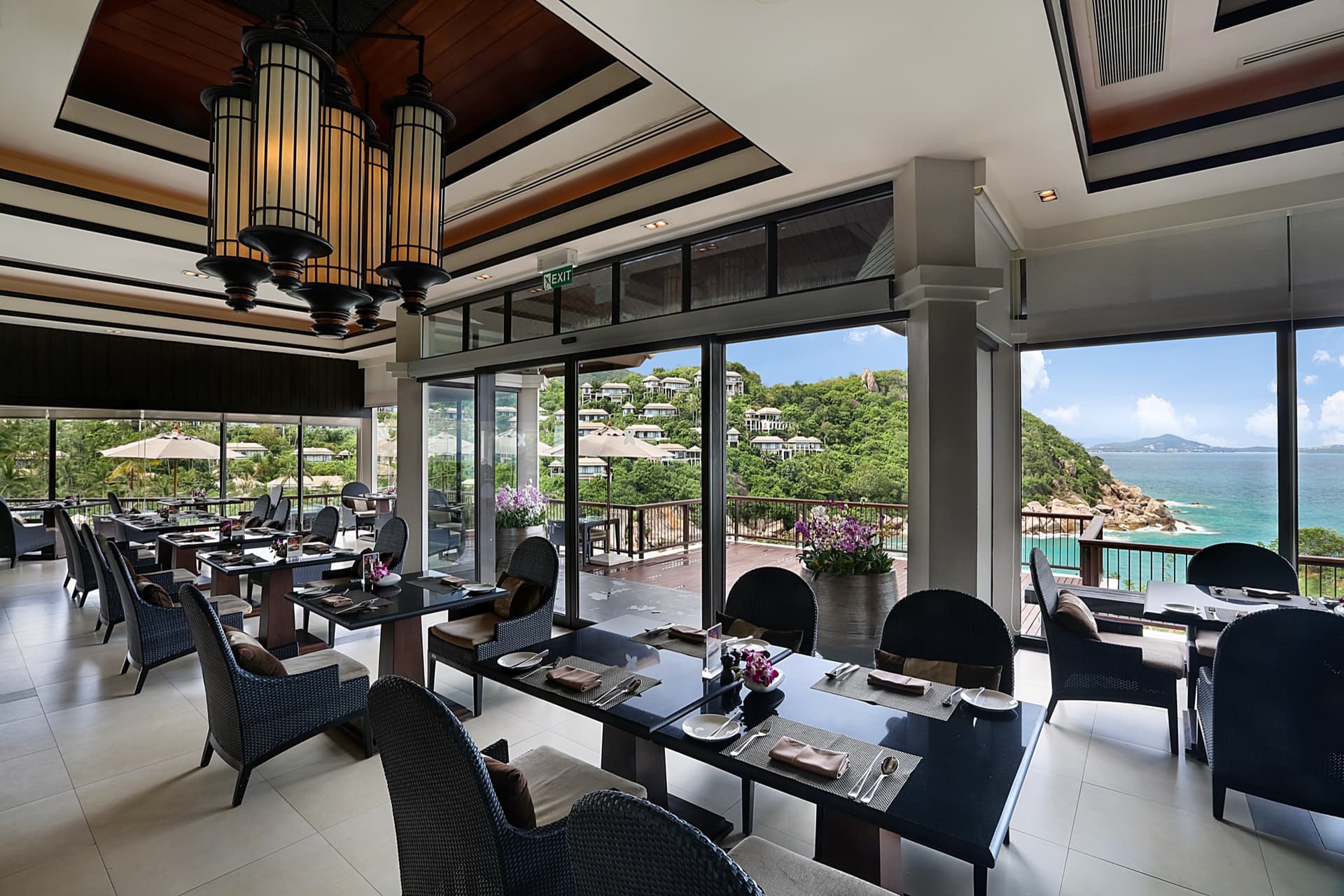
Bangkok carries the meetings end: large hotels, convention space, dependable airlift, the infrastructure a plenary or a product launch needs. Chiang Mai and the north carry engagement, with team experiences, cultural programmes and CSR activities that give delegates a real highlight. The islands close it. Phuket and Koh Samui have resort venues built for groups, and they are where the reward and the gala belong.
A strong incentive itinerary usually uses all three: open in Bangkok, build through the north on our northern Thailand programme, finish on the coast. Our Bangkok and southern islands route and our Koh Samui wellness retreat show how the stages link. If the term itself is unfamiliar, we set out what a destination management company does separately.
Capacity and venue access
Size and timing are one question, not two, and treating them separately is how programmes come unstuck.
Bangkok handles large plenaries, gala dinners and exhibition formats through its convention hotels, and it has the room inventory to house a sizeable delegation in a single property. Mid-size meetings and incentive groups have the widest choice in the country: most cities and resort areas hold them without strain. Smaller high-value incentives open the most distinctive space, a private estate dinner, a temple-side reception or a beach gala, where the setting is itself the reward.
But the best ballrooms on the best dates go early. Send the delegate count, the format and the standard, and we will map it against venues that can deliver it. We would sooner tell you a room is wrong for your group than sell you the space.
The best season for incentive and event groups
November to February is the comfortable window, and everyone knows it. Delegates are happiest, venues are strongest, and both firm up months ahead, so a peak programme needs an early commitment or it does not get the room.
The green season across the middle of the year is the trade: better value, quieter venues, and it runs perfectly well for anything not weather-dependent, provided the indoor and contingency planning is real. Songkran sits around the 13th to the 15th of April. It is either the highlight you build the programme around or the week you plan away from, and the group tells you which.
The coasts complicate it, usefully. The Andaman and the Gulf run on opposite weather patterns, so a date that is wrong for Phuket can be right for Koh Samui. Our guide to the best time to visit Thailand has the regional detail.
Logistics, risk, and on-the-ground control
Planners rarely lie awake about the venue. They lie awake about the joins.
Meet-and-greet for a full delegation. Transfers that move a group on schedule. Internal flights between three settings. A weather day with a backup that was arranged in advance and not invented on the morning. Dietary, AV and rooming detail, which is where an event either feels operated or feels improvised.
That is the work a ground operator is for: contracting the suppliers, building the transfer and airlift plan and keeping the contingency live. This is why most planners run event work through a local operator instead of coordinating suppliers from abroad. For the event itself, the booking documents should name the operating contacts and the escalation route, so the planner knows who to call when something moves.
How Pai Dai plans MICE and incentive programmes
In Thailand we plan these programmes and coordinate the services: venue sourcing against your delegate count and format, hotel and F&B contracting, the transfer and airlift plan, team and CSR experiences, and gala and themed events. The quotation names the contracting company and the local delivery arrangements, including on-site management, and states which documents we prepare and who contacts the delegates during the programme. You keep your client relationship.
We cost each programme to the brief and do not publish a figure, because a real number moves with group size, dates, season and standard. Publishing one would only be a number we later had to take back.
To start, use our MICE enquiry form, or read how we plan Thailand incentive and MICE programmes first. If the brief is leisure travel and not an event programme, our guide on what European agents should know about Thailand and Vietnam covers that track, and our destinations pages cover the ground.
FAQ
Is Thailand good for incentive trips?
Yes, Thailand is one of the stronger incentive destinations in Asia. It offers city, hill-country and island settings in one country, with strong international airlift and good value, so a single programme can move from a city opening to a hill-country activity to an island reward on short internal flights. The variety is what makes it work for incentives: delegates get distinct stages instead of one location stretched across the trip.
What size MICE groups can Thailand handle?
A wide range. Bangkok handles large plenaries, gala dinners, and exhibition formats through its convention hotels and dedicated venues, with the room inventory to house a big delegation. Mid-size meetings and incentive groups have the most choice across the country, and smaller high-value incentives unlock the most distinctive private venues. The practical limit is usually the best dates and the best ballrooms selling out early, so size and timing should be settled together.
When is the best time to plan a MICE event in Thailand?
The cool dry season from about November to February is the most comfortable for delegates and the most in demand, so peak-date programmes need early commitment to secure the strongest venues and rates. The green season across the middle of the year offers better value and quieter venues and runs well for events that are not weather-dependent, with proper indoor and contingency planning. Match the date to the region, since the island coasts run on opposite weather patterns.
Do I need a DMC for a MICE group in Thailand?
For anything beyond a single-venue meeting, it is the practical choice. A ground operator contracts the suppliers, builds the transfer and airlift plan and keeps the weather contingency live, so the planner is not coordinating a list of separate suppliers from abroad. For the event itself, the booking documents should name the operating contacts and the escalation route, so it is clear who to call when something changes.
What venue options does Thailand have for incentive groups?
Beyond convention hotels and resort ballrooms, Thailand opens settings where the venue is the reward: a private estate or riverside dinner in Bangkok, a temple-side or hill-country reception in the north, a beach gala on the islands, and cultural or CSR experiences that tie to the programme objective. The smaller and more premium the incentive, the more distinctive the venue options become. We match the setting to the group instead of defaulting to a standard ballroom.
How far in advance should I book a MICE programme in Thailand?
For peak season, several months ahead at least, and earlier for large groups, signature venues, or specific dates, because the best space and the best rates firm up first. Green-season programmes allow more flexibility. Whatever the season, the binding constraints are usually venue availability for your exact dates and the airlift for a full delegation, so the earlier the brief lands, the more the plan can be built around the right venues instead of what is left.
About the author
Wanwisa Puengsawang
CEO, Pai Dai DMC
Wanwisa Puengsawang, known as Sally, is the CEO of Pai Dai DMC. She leads the company's ground operations across Thailand and Vietnam, working directly with wholesale operators, MICE planners, and private clients.
More about Pai Dai DMCFor travel agencies
Planning Thailand or Vietnam for a client?
After we receive a complete brief, we provide a costed quote by the same time on the next business day. Complex multi-country or peak-season requests may take longer; we state the revised deadline when we acknowledge the request.