Northern Thailand Discovery
7 Days · Chiang Mai, the Hills & Chiang Rai

Overview
The north of Thailand on its own terms, seven days based in the old Lanna capital of Chiang Mai, up into the highlands, and on to the far northern province of Chiang Rai on the old border country. This was a separate kingdom for six centuries before it was a Thai province, and the cooking, the temples and the language still carry that history. The route gives Chiang Mai the three nights it needs, sets aside a full day with the elephants at a venue under verification against our four welfare floors and a day in the northern kitchen, then takes the group into the hills for a night with a hill-country community before the run north to the new temples and the Mekong. A private coach covers the overland legs and a licensed Thai guide stays with the group from the airport greeting to the departure gate, with local guides added at the major sites. It is built for groups who want the north slowly rather than the whole country in a week.
7 days · 6 nights
- The overnight route
- Chiang Mai3 nights
- Mae Chaem1 night
- Chiang Rai2 nights
- Best months
- November – February
The North, Place by Place
3 nights
Chiang Mai
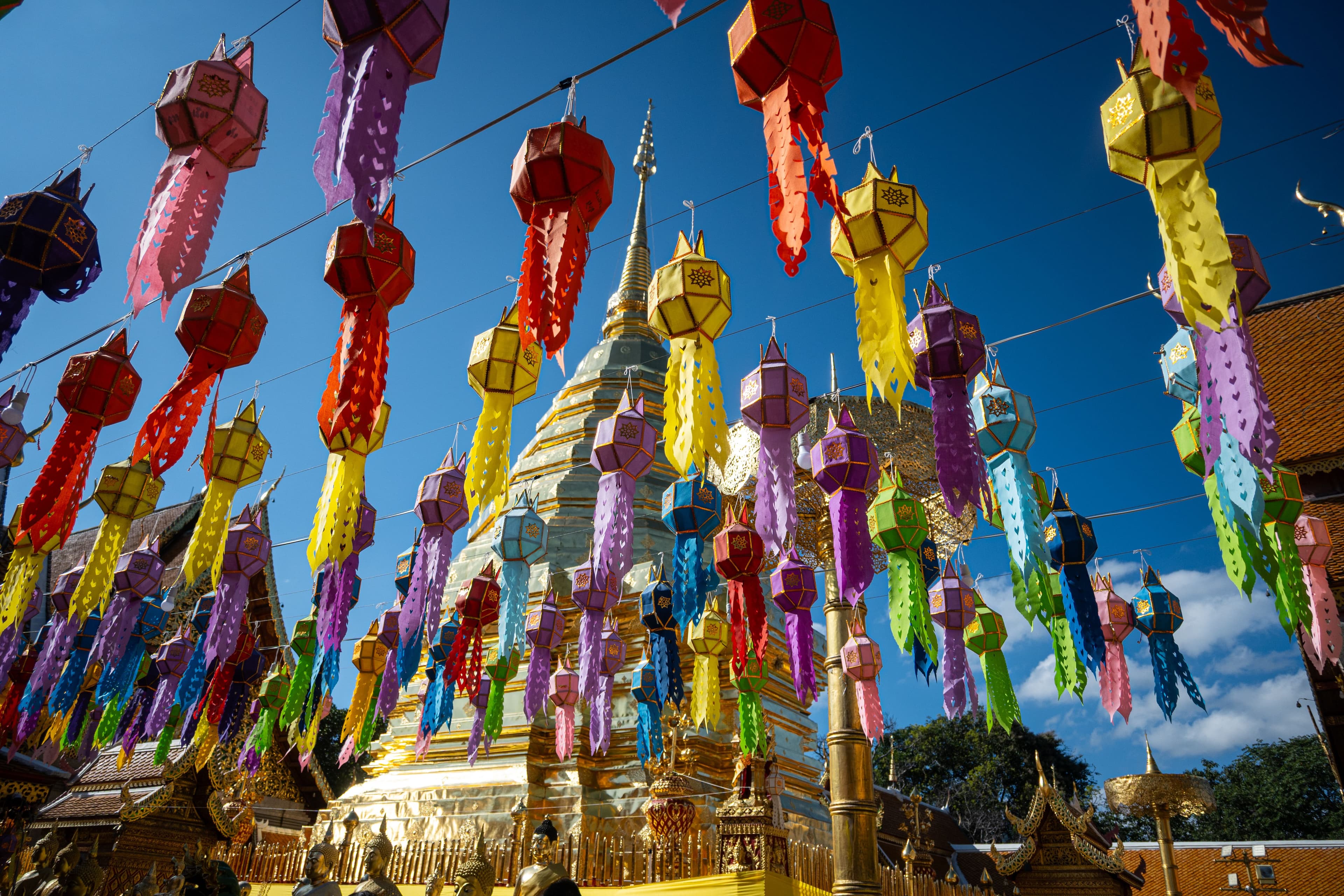
Three nights in the old Lanna capital: the gold chedi of Doi Suthep above the city, the walled old town and its temples, a full day with the elephants at a venue under verification against our four welfare floors, and a hands-on day in the northern kitchen.
1 night
The Hills
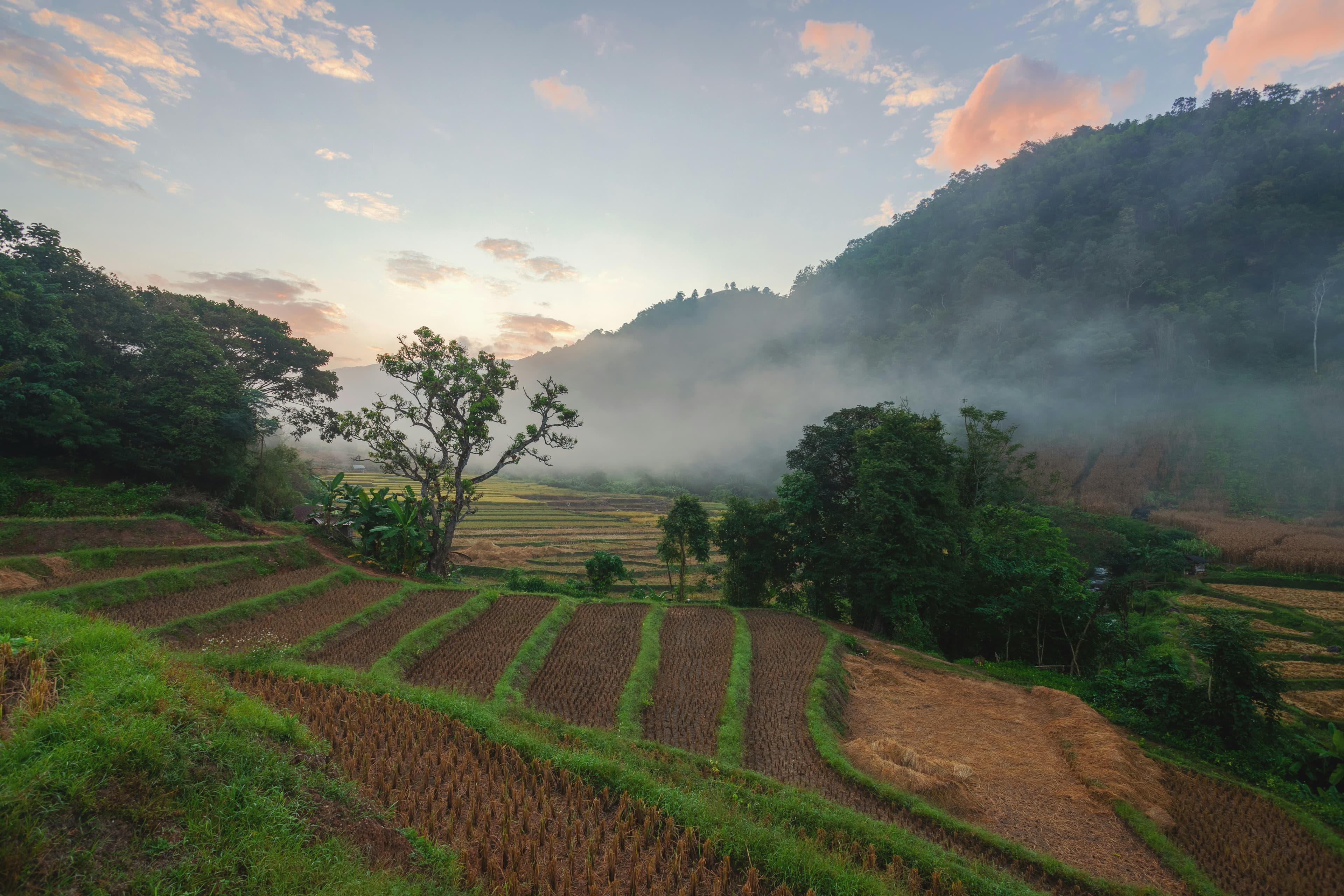
Up into the highlands toward Mae Chaem for a community-based village visit, built around an ordinary day rather than a performance, and an overnight homestay with a hill-country community.
2 nights
Chiang Rai
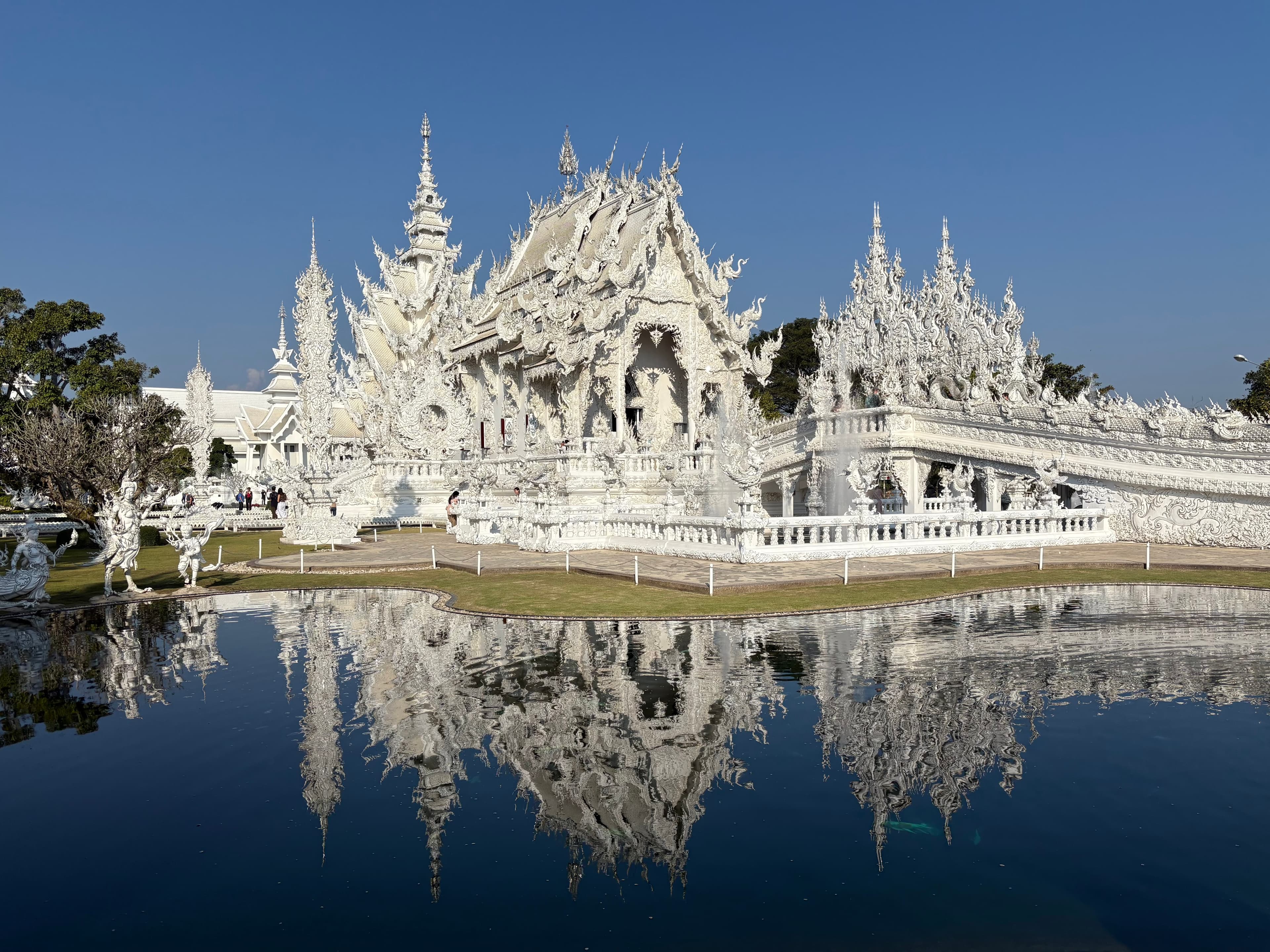
The far north on the old border country: the White Temple and the Blue Temple, the Golden Triangle where three countries meet, a boat on the Mekong, and the long history held in the Hall of Opium.
Seven Days in the North
1Chiang Mai
Arrival in Chiang Mai
 Morning
Your guide meets the group in the arrivals hall at Chiang Mai International Airport and a private coach runs into the city, a short transfer of around twenty minutes. The airport sits close to the old walled town, so there is no long road into the centre and the group is checked in with the afternoon still ahead.
AfternoonCheck-in at an Old City boutique hotel inside or beside the moat, within walking reach of the Lanna temples the rest of the route will cover. The afternoon is left open to settle in and find your feet in a city built on a far smaller scale than Bangkok, slow and low-rise behind its square of old walls.
EveningA welcome dinner beside the river with a short briefing on the days ahead, the elephant day, the night in the hills and the drive north, so the group knows the shape of the week before it begins.
Meals - / - / D
2Chiang Mai
Doi Suthep and the Old City
 Morning
The road climbs the mountain on the city's edge to Wat Phra That Doi Suthep, the gold chedi that has looked down on Chiang Mai since the fourteenth century. The temple is reached by a long staircase flanked by two nagas, or by funicular for those who would rather save their legs, and the terrace gives the clearest view there is of the whole city laid out across the plain below.
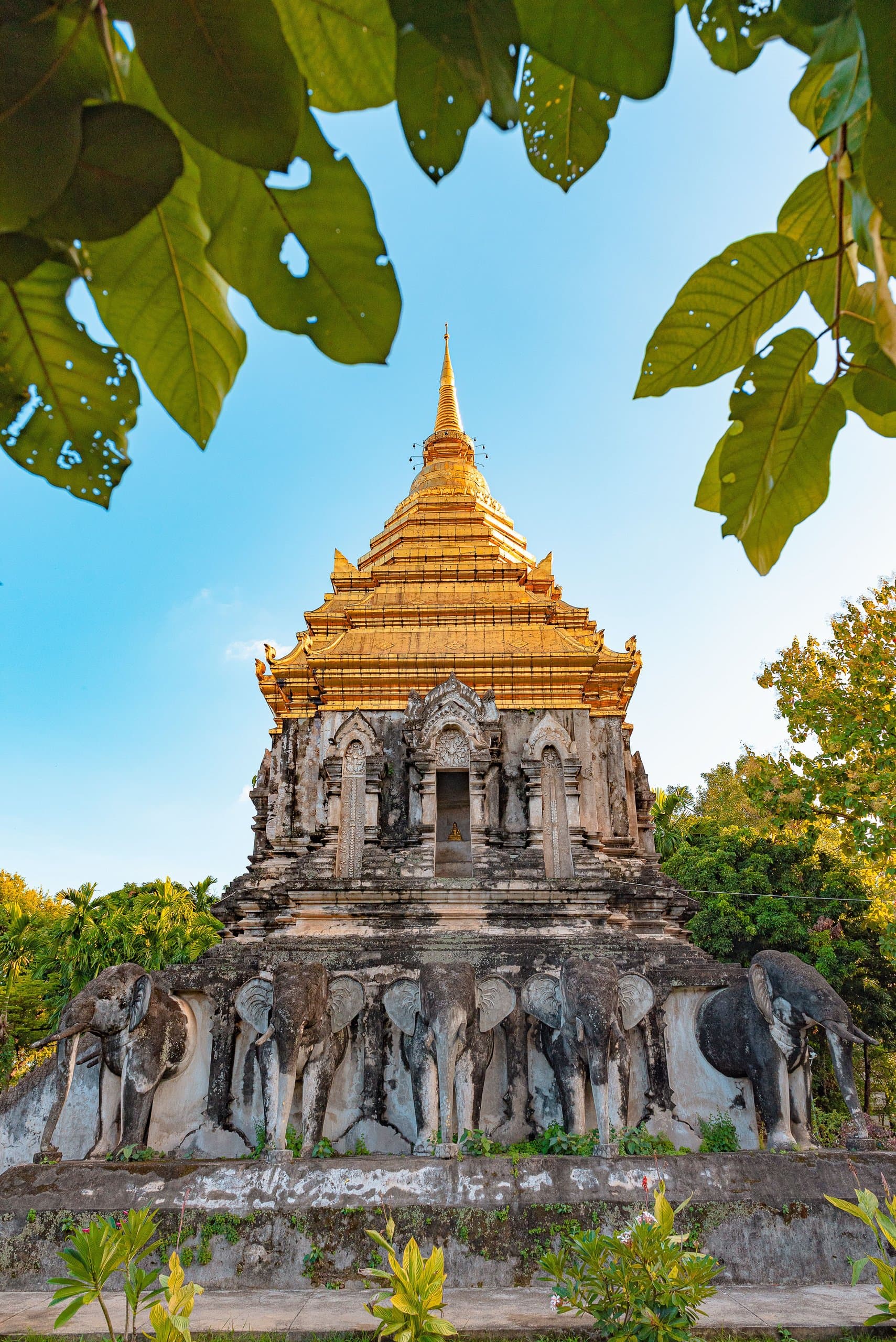
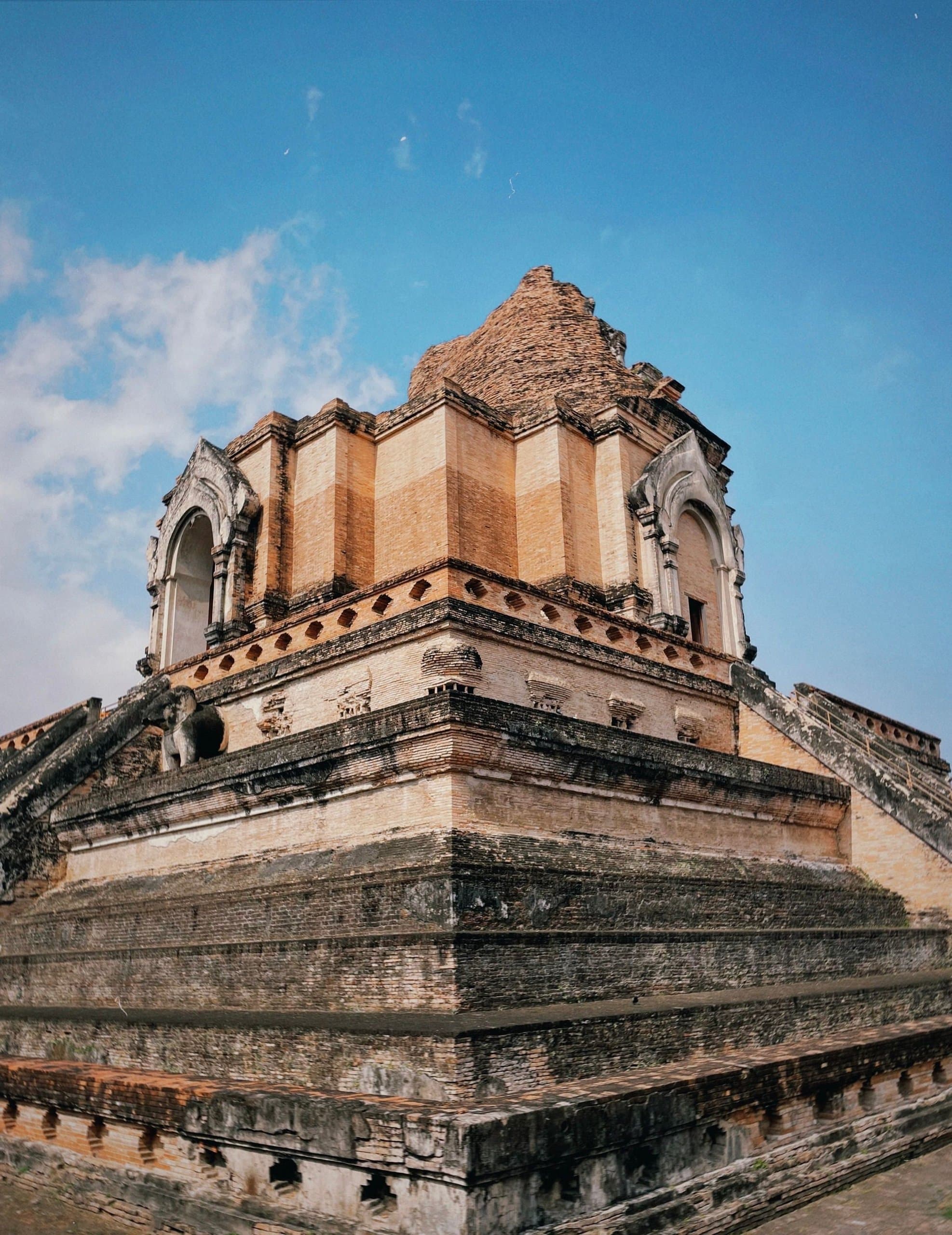
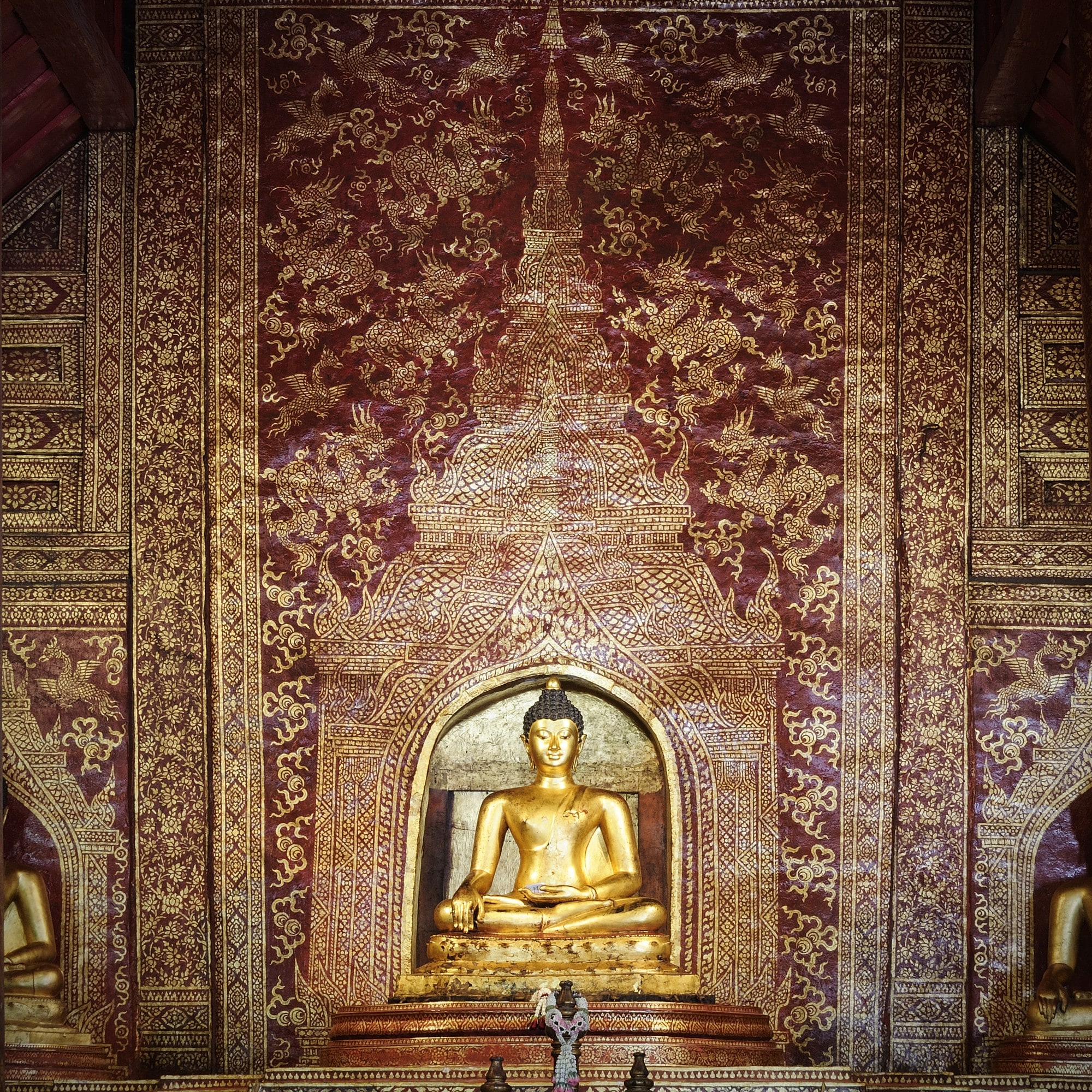
AfternoonBack down into the old walled city, square inside its moat, for the Lanna temples the north built in its own style. Wat Chedi Luang stands around its half-ruined royal chedi, brought down in part by an earthquake centuries ago and never fully rebuilt, and Wat Phra Singh holds the most revered Buddha image in the city behind its teak doors.
EveningThe evening is free inside the old city, useful for the Sunday walking street if the dates line up, or a quiet dinner near the hotel.
If the season shiftsThe climb to Doi Suthep is best early, before the cloud builds on the mountain and the midday crowds arrive. When the schedule allows we start the morning on the summit and hold the old-city temples for the cooler late afternoon.
Meals B / L / -
3Chiang Mai
A Day with the Elephants and the Kitchen
 Morning
A full day at an elephant venue outside Chiang Mai. The venue is under verification against the four floors we apply to any elephant site: no riding, no bathing or washing by visitors, no hand-feeding or unbarriered contact, and no performances. That assessment is not finished, so we do not yet say the venue clears it. The day is spent watching the herd at a distance in its own routine, and learning from the keepers how each animal came to be there and how it is cared for now.
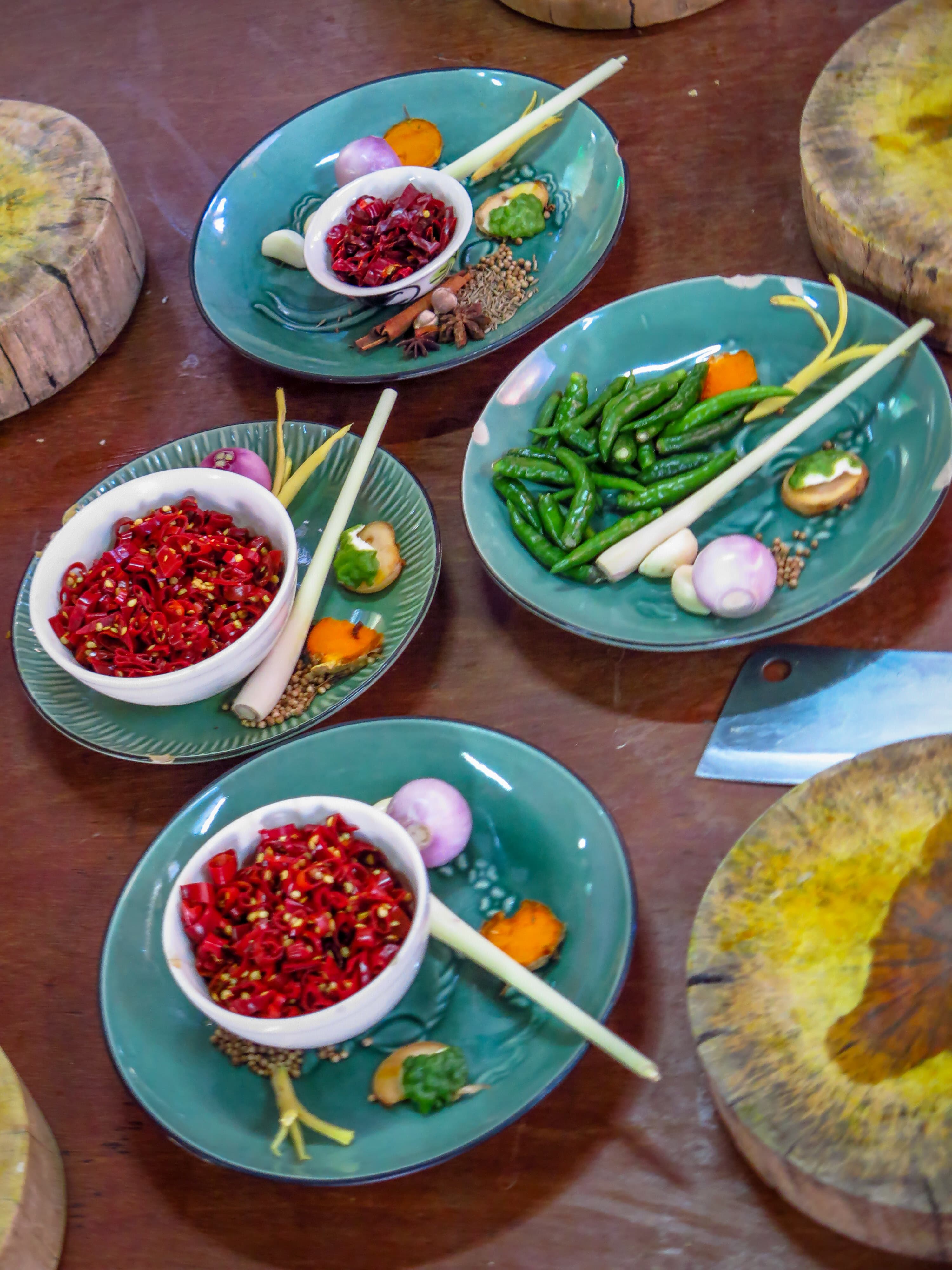
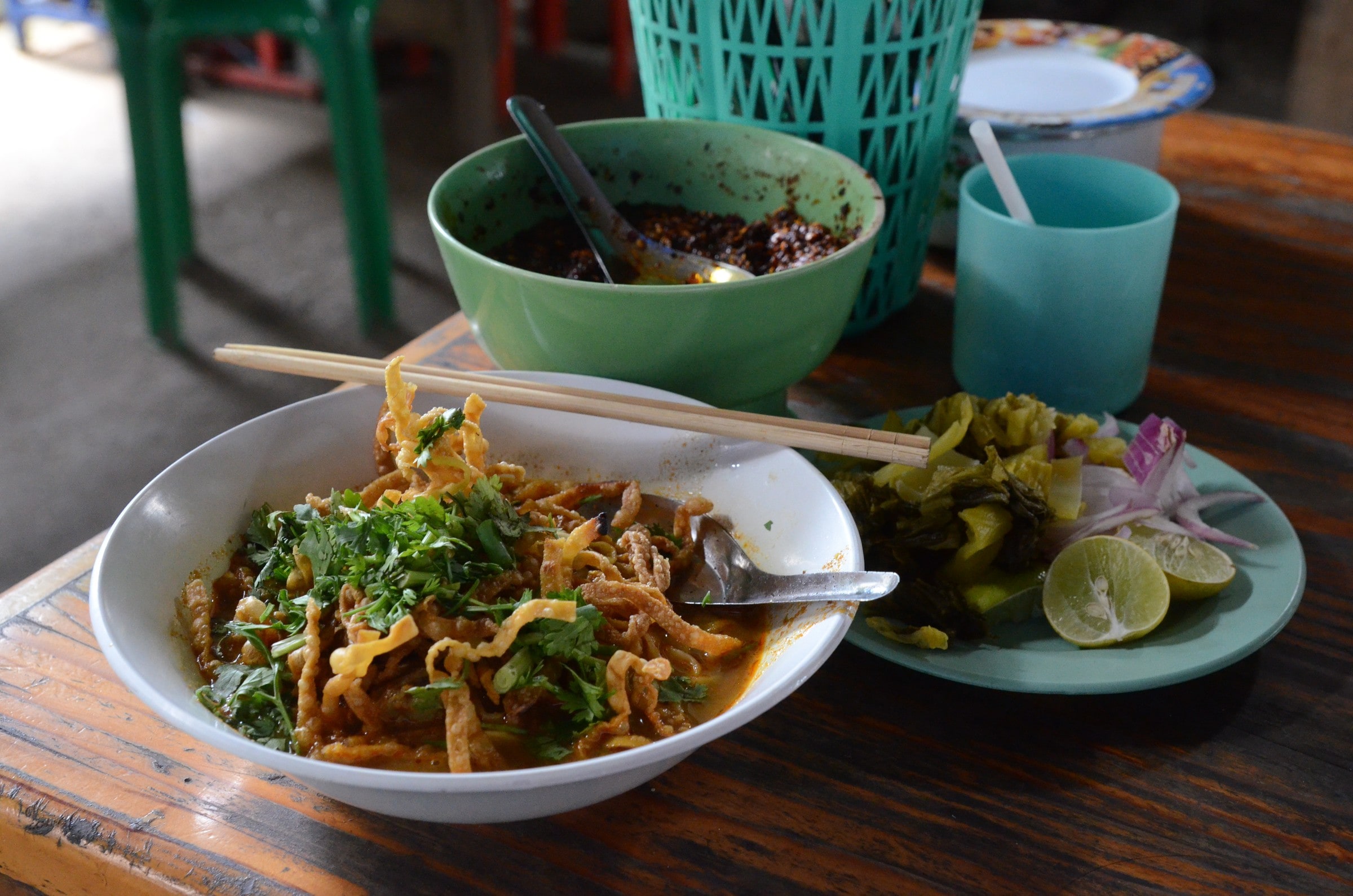
AfternoonLater, a northern Thai cooking class that opens with a short market walk for the ingredients, the herbs and pastes and fresh produce of the region. The class works hands-on through the dishes of the Lanna kitchen, the slow curries and the grilled and pounded plates that set the north apart from the food most visitors know from Bangkok.
EveningThe evening is free after the cooking class, with the day's own cooking usually enough of a dinner.
Meals B / L / -
4Mae Chaem
Into the Hills
 Morning
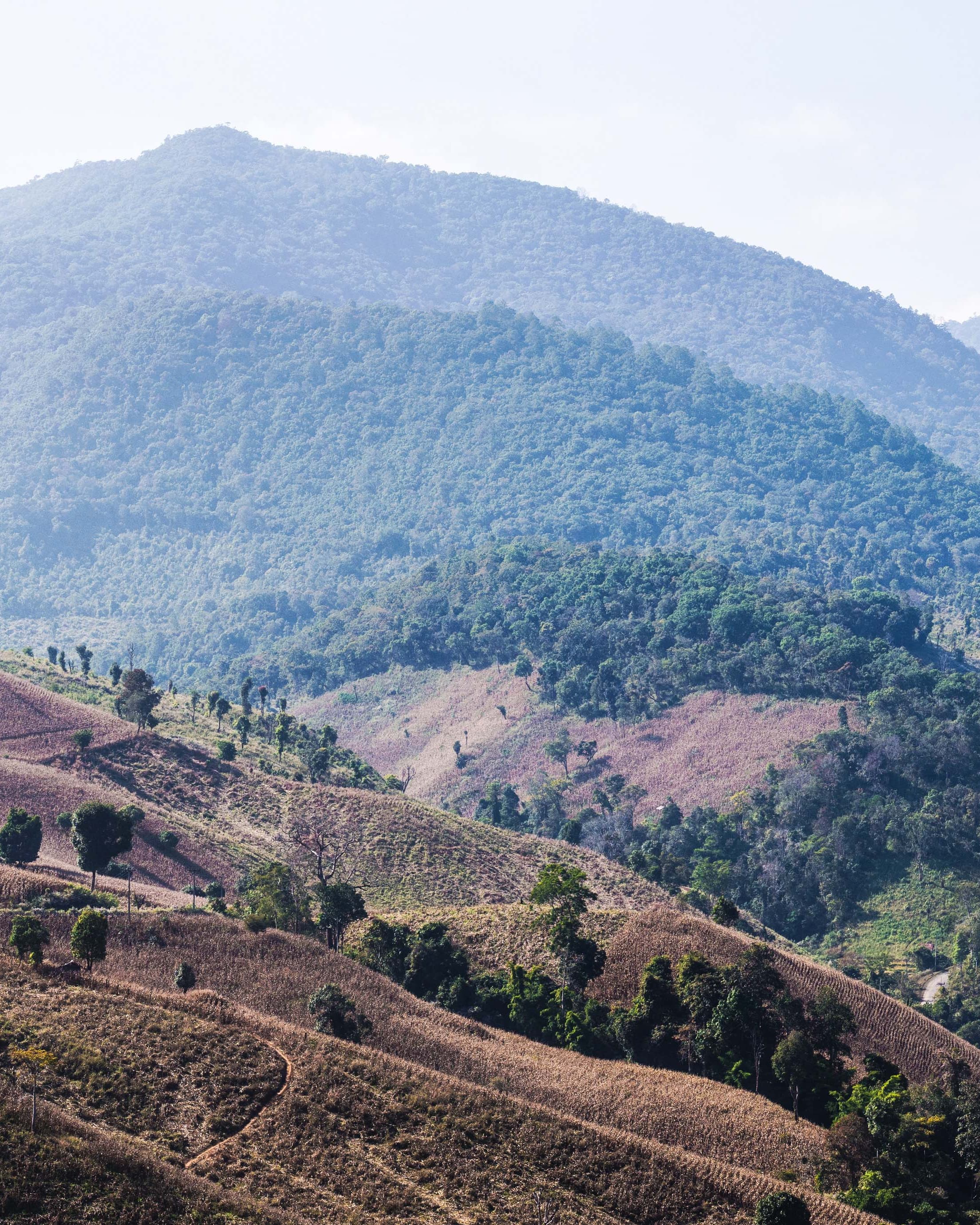
A drive into the highlands toward Mae Chaem, climbing out of the Chiang Mai valley onto forested ridges where the air is cooler and the road quieter. The country changes within the first hour, from the orchards and rice of the lowlands to terraced slopes and standing forest.
AfternoonA community-based village visit hosted by a hill-country community, built around the rhythm of an ordinary day rather than a staged performance. Time is spent in the gardens and the kitchen, walking the village with people who live there, and sharing a community meal prepared by the hosts. The visit is community-run, and the group is a guest in it.
EveningAn overnight community homestay, simple and clean, with the family and the village for the night. The hills go quiet and dark after sunset, and the morning starts early and cool. Dinner is the shared community meal with the hosts.
Meals B / L / D
5Chiang Rai
North to the New Temples
 Morning
The drive north out of the hills toward Chiang Rai, the country's far northern province on the old border country between Thailand, Laos and Myanmar. The route comes down off the ridges and runs up through the northern valleys toward the provincial town.
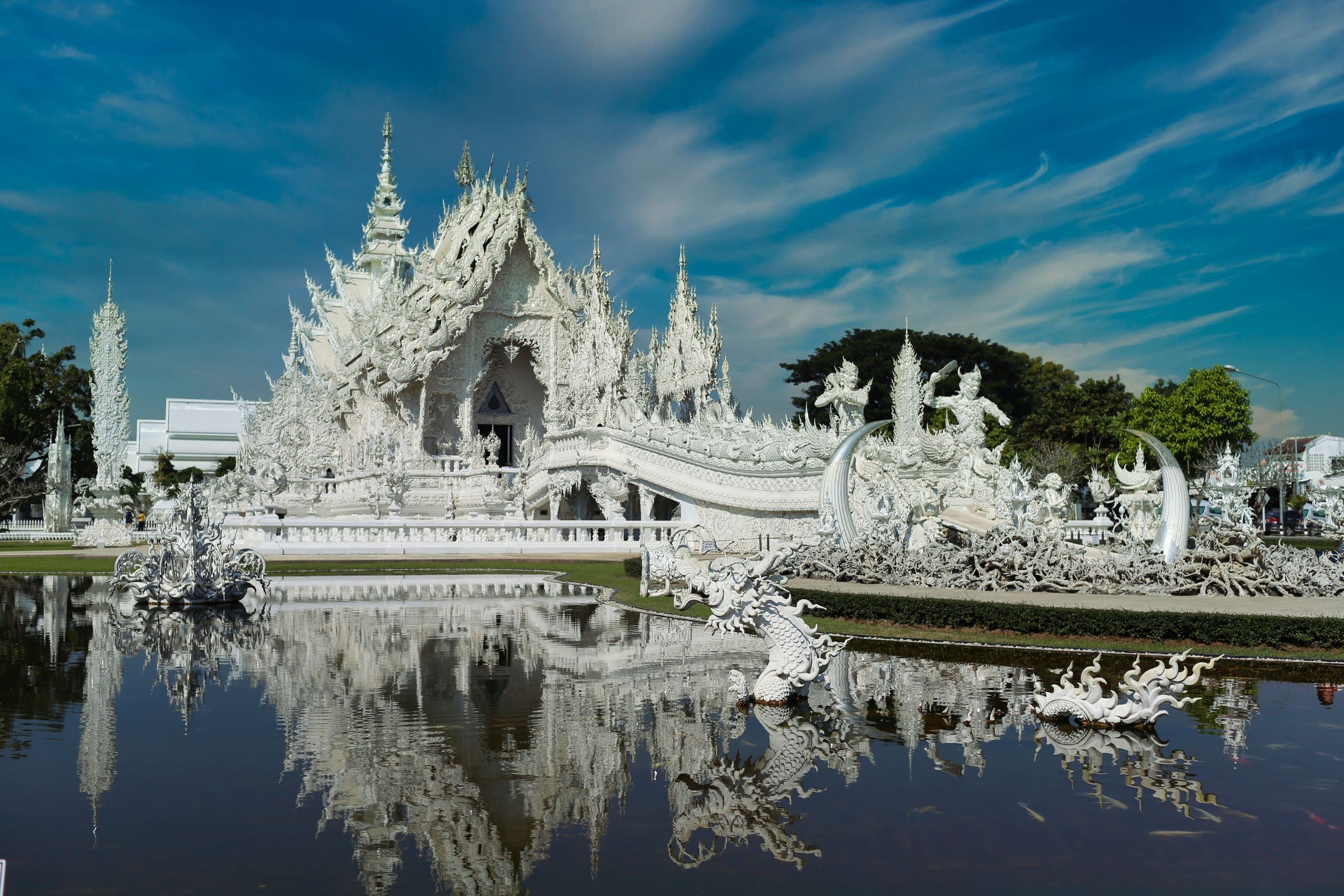
AfternoonWat Rong Khun, the White Temple, a contemporary work an artist began in 1997 and is still building, finished in white plaster and mirror glass that throws the light back in pieces. Across town the Blue Temple, Wat Rong Suea Ten, answers it in cobalt and gold, proof that the north is still making its temples rather than only preserving them.
EveningThe Chiang Rai night bazaar for dinner and the crafts of the northern hill communities, then overnight in the town.
Meals B / - / D
6Chiang Rai
The Golden Triangle and the Mekong
 Morning
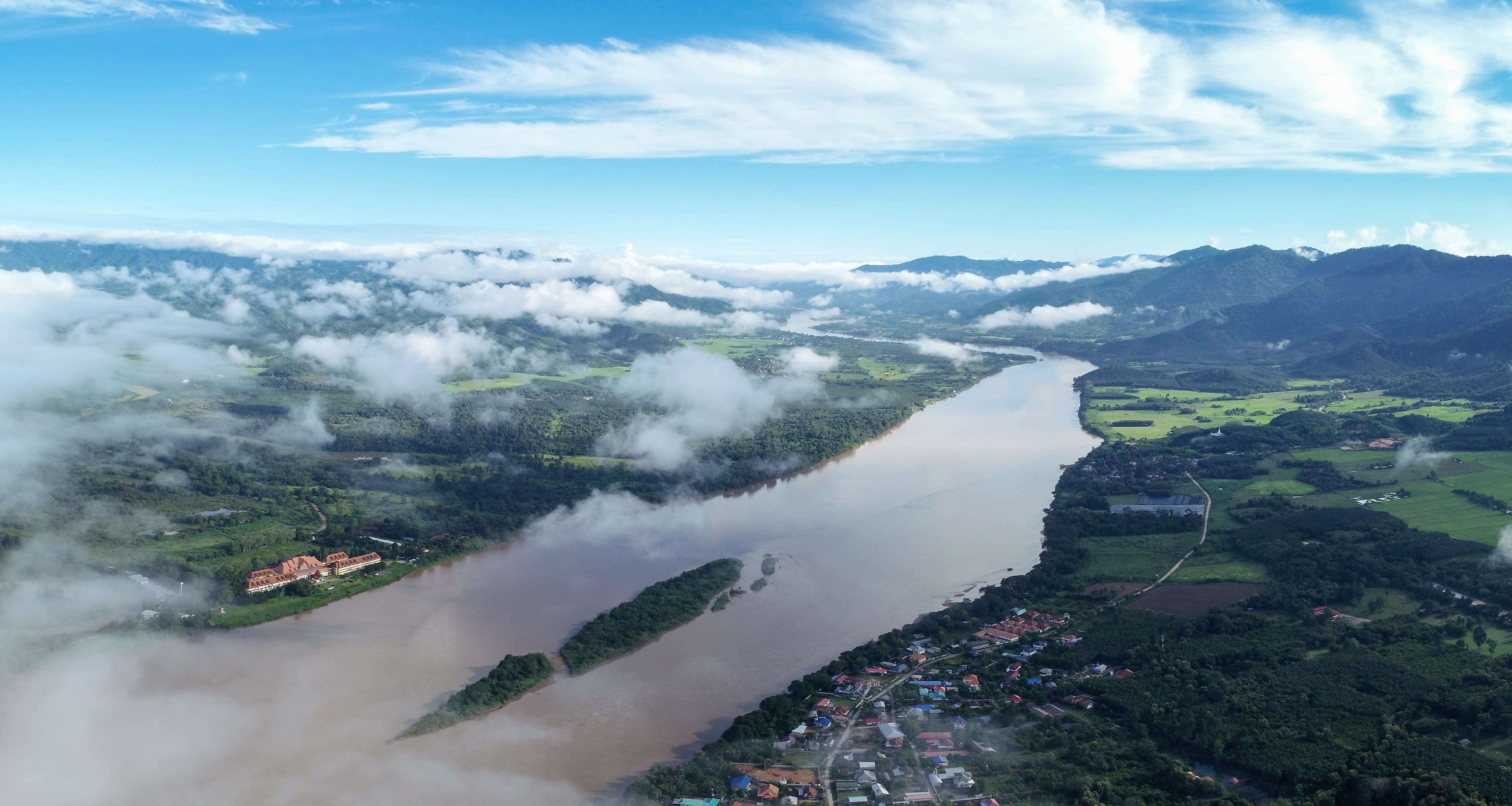
North to the Golden Triangle, the viewpoint where the borders of Thailand, Laos and Myanmar meet across the water and the Mekong opens out below. The name belongs to the opium trade that once ran this corner of the hills, and the country has spent decades turning the land away from it.
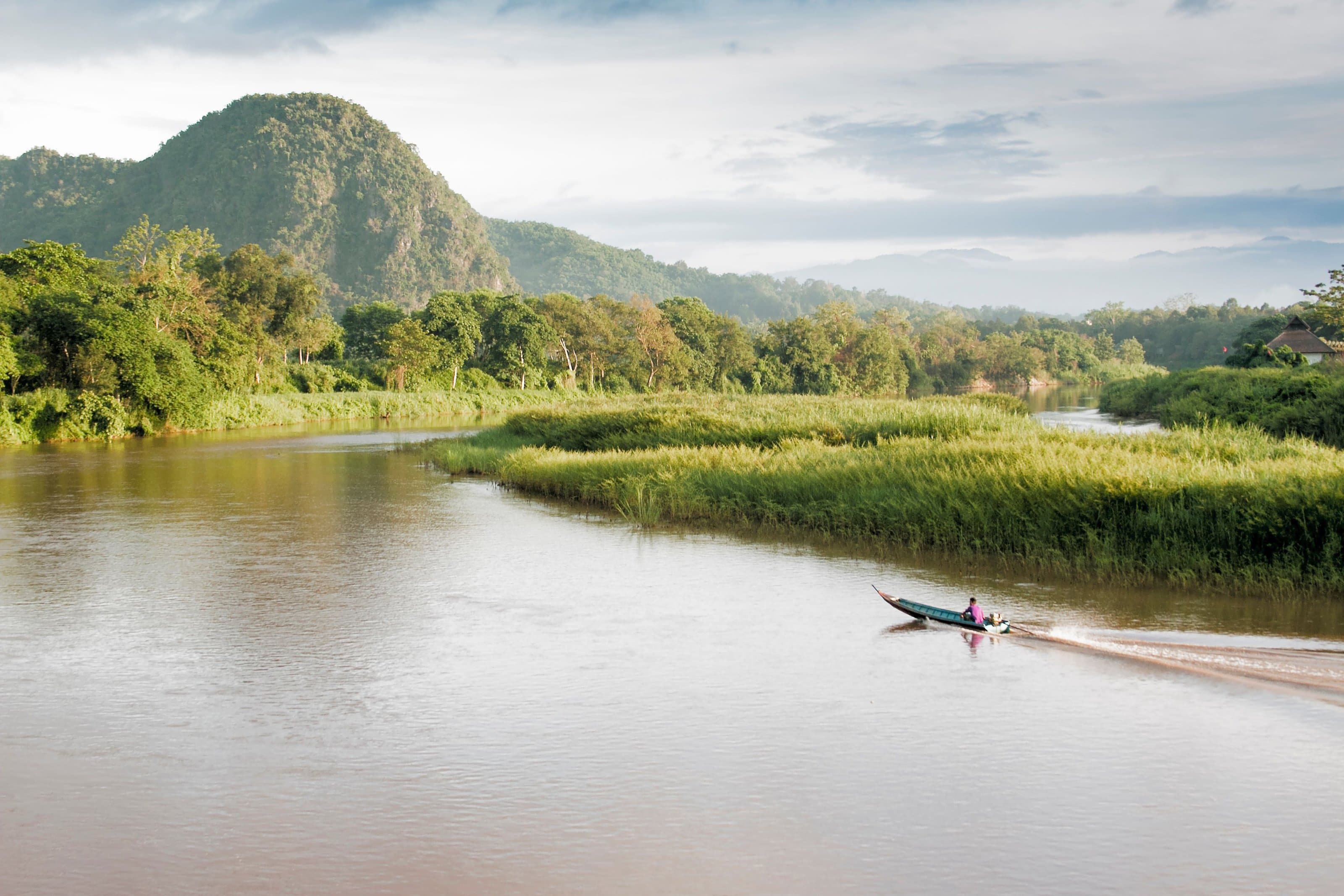
AfternoonA boat out onto the Mekong, the great river that runs the length of mainland Southeast Asia, then the Hall of Opium, the museum that tells the long and unsparing story of the trade that gave the region its name and the work that went into ending it.
EveningA farewell dinner back in Chiang Rai to close the route, with the morning's departures still ahead.
Meals B / L / D
7Chiang Rai
Departure
 Morning
Breakfast at the hotel. The guide coordinates the departure transfers, timing each vehicle to the individual flight schedules so no one waits at the airport longer than they have to.
AfternoonPrivate transfer to the airport for outbound flights, whether a domestic connection south through Chiang Mai or Bangkok or an onward leg across the border. Groups extending in the north or into Laos can be routed from here.
EveningThe route ends at the airport. Safe travels.
Meals B / - / -
Where You Stay
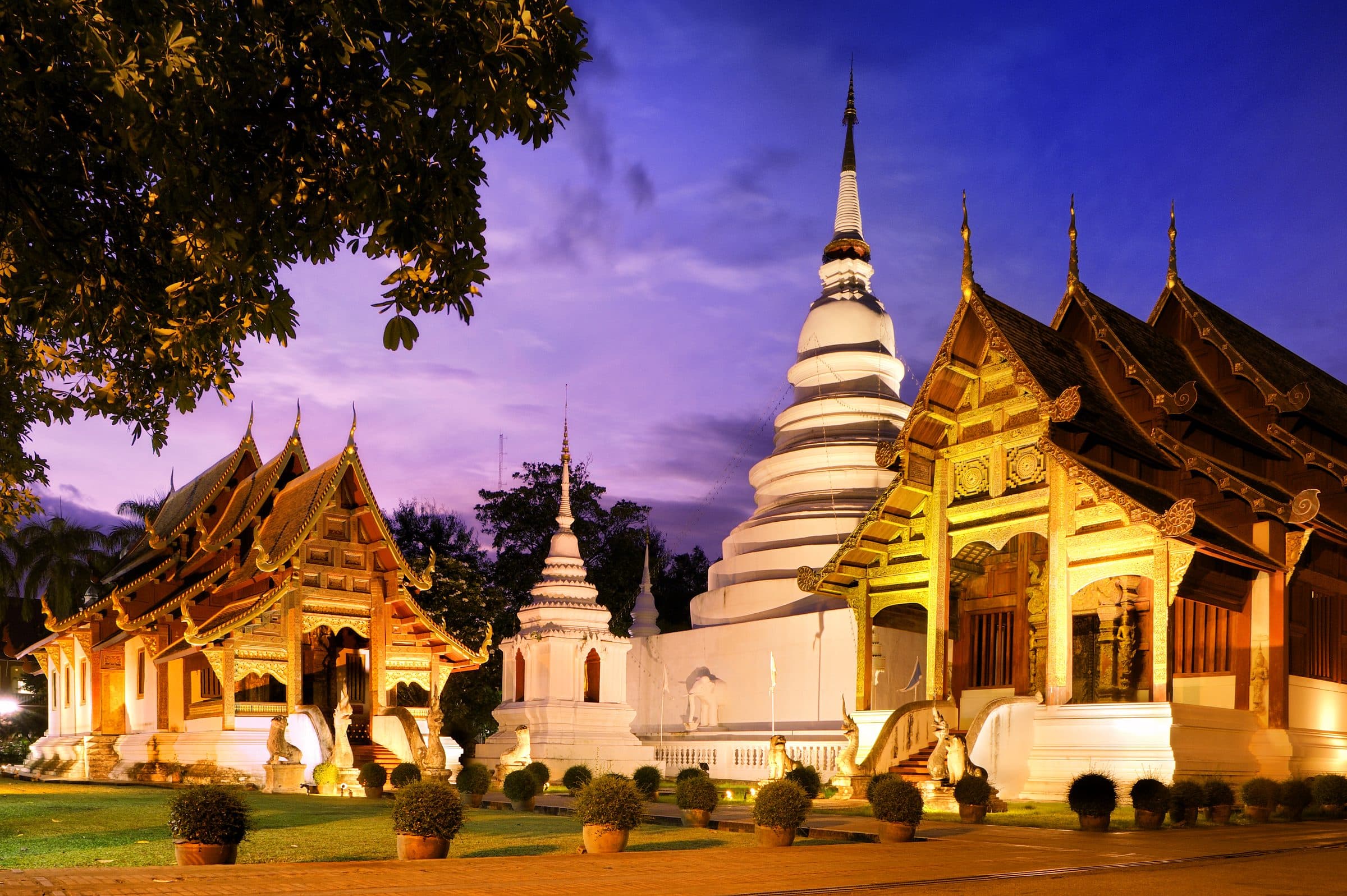
Chiang Mai
Old City boutique hotel, three nights
- Walking reach of the walled city and its Lanna temples
- Group check-in arranged in advance so the arrival-night logistics stay clean
- A quiet courtyard or pool for the free time between the early starts
- Cooking-class and sanctuary logistics coordinated with the hotel and the operators
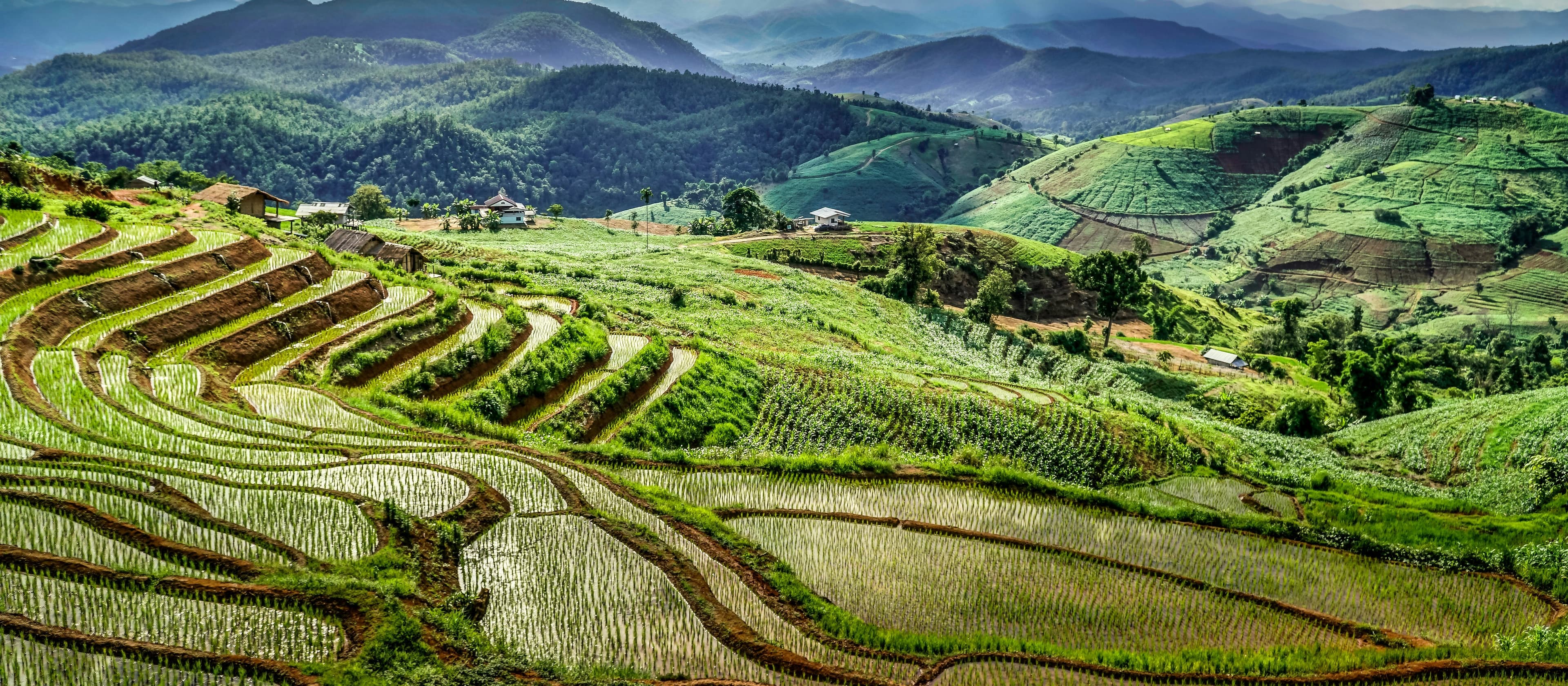
Mae Chaem
Community homestay in the hills, one night
- A community-run homestay, simple and clean, hosted by the village
- Shared community meals with the hosts in the evening and morning
- Warm layers worth having for the cool highland nights
- Bags packed light for the night, with the main luggage carried on by coach where the property allows
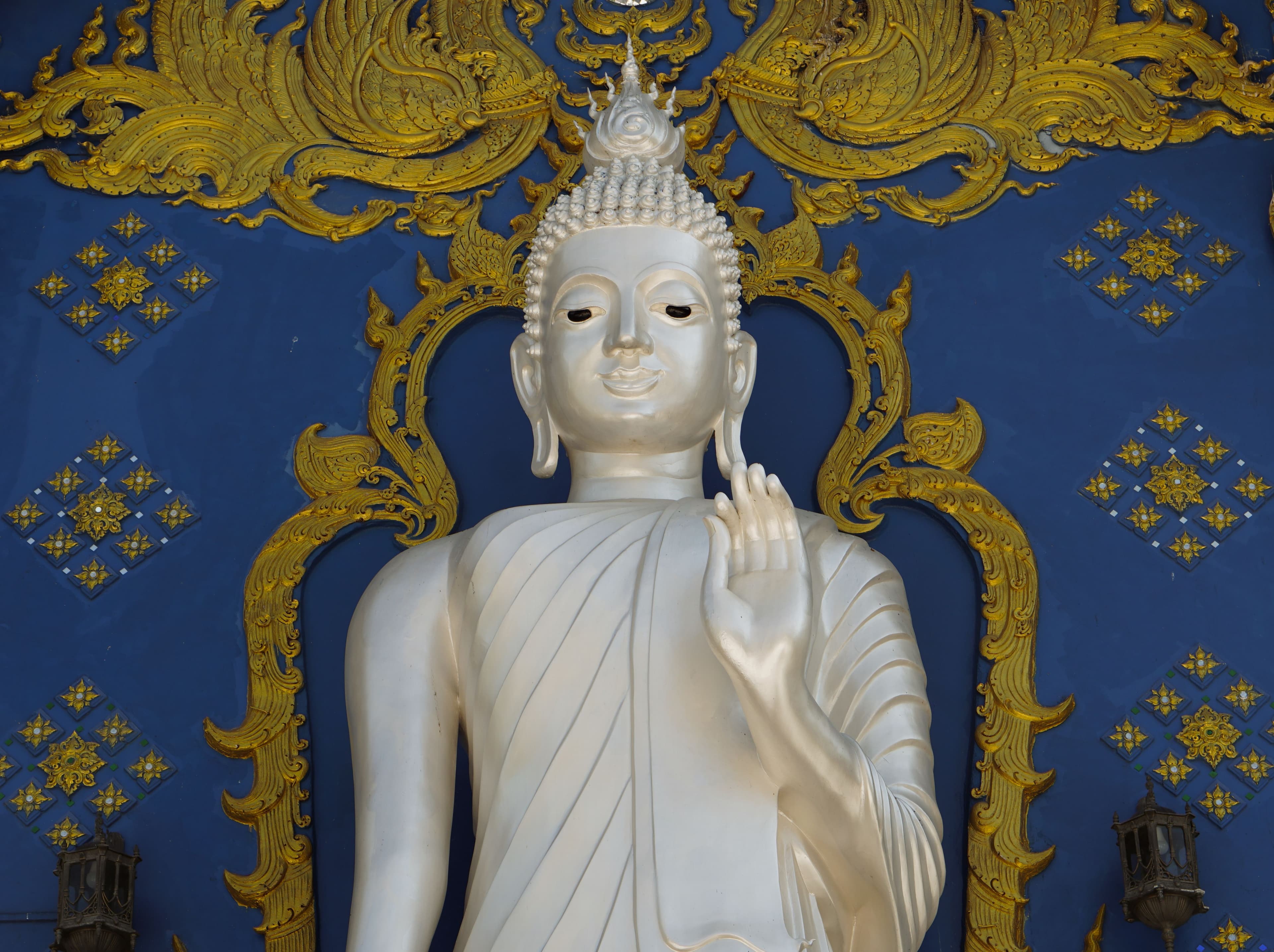
Chiang Rai
Town hotel, two nights
- Central for the night bazaar and the town's restaurants
- Group dining arranged for the evenings
- A base for both the temple day and the Golden Triangle day without changing hotels
- Warm layers worth having for the cool northern mornings in winter
Your Guide
Licensed Thai national tour guide for the full route, from Chiang Mai through the highlands to Chiang Rai and the Golden Triangle, with local site guides added at the major temples and a community host leading the village visit in the hills.
English and Spanish are the primary working languages on this departure. French, German or Italian can be arranged on request when the language is confirmed at the time of booking.
One lead guide travels with the group for the full route, with a separate professional driver and coach, local guides added at the major sites, and the community itself hosting the village day and the homestay.
- Six nights' accommodation, twin-share, with daily breakfast, across Chiang Mai, a hill-country homestay near Mae Chaem, and Chiang Rai
- Lunches and dinners as listed in the day-by-day itinerary, including the community meals on the village night
- All scheduled sightseeing and entrance fees including Wat Phra That Doi Suthep, the Chiang Mai old-city temples, the White and Blue Temples of Chiang Rai, the Golden Triangle and a Mekong boat, and the Hall of Opium
- A full day at an elephant venue outside Chiang Mai, under verification against our four welfare floors
- A community-based village visit and overnight homestay in the hills, hosted by the community
- A northern Thai cooking class with a market visit in Chiang Mai
- Private air-conditioned coach for all overland transfers throughout the route
- English and Spanish speaking licensed national guide for the full route, with local guides at the major sites
- Airport meet-and-greet on arrival and the departure transfer at the end of the route
- International flights into and out of the north
- Thailand visa or visa on arrival, where applicable to the traveller's passport
- Travel and medical insurance for international travel, which is required
- Meals not specified in the day-by-day itinerary and drinks beyond those provided
- Optional activities and anything listed as available on request
- Personal expenses such as laundry, minibar, and spa
- Gratuities to guides, drivers and the homestay hosts
When to Travel
The best months for the north run from November to February, the cool dry season, when the days are comfortable for walking the temples and the highlands and the mornings are genuinely crisp. December and January are the peak of the season and the strongest weeks for the Chiang Mai and Chiang Rai hotels, so for those dates we recommend confirming sixty to ninety days ahead, particularly for larger coach groups. The November festival of Yi Peng, when paper lanterns are sent up over Chiang Mai, falls in this window and is worth planning around if the dates line up. March and April turn very hot, and Songkran in mid-April brings the country's water-festival new year, a high point for some travellers and a closure to plan around for others.
The north is cooler and more seasonal than the centre of the country, genuinely cold on winter mornings in the hills, on Doi Suthep and around Chiang Rai, so a layer is worth packing for any departure between December and February. The main rainy season runs from May to October, with heavy afternoon showers that rarely last and seldom disrupt a temple itinerary, and the hills are at their greenest in those months. The one window we flag clearly is the northern burning season, roughly February to April and usually worst in March, when agricultural fires across the upper north can leave a haze over Chiang Mai and Chiang Rai that softens the long views and affects air quality. For haze-sensitive travellers we steer the route toward the November to January window.
Before you ask
How is this different from the cultural circuit that runs the whole country?+
This route stays in the north and gives it room. Where the circuit moves a group through five cities in six days, this one bases three nights in Chiang Mai, sets aside a full day for the elephants and a full day for the northern kitchen, and takes a night in the hills with a community before the run up to Chiang Rai. It is the better fit for travellers who want the Lanna north slowly, with time for the nature and the culture rather than a city a day.
What is your elephant welfare standard?+
Four floors, and a venue has to clear all four: no riding, no bathing or washing by visitors, no hand-feeding or unbarriered contact, and no performances. The venue on this route is currently under verification against them, and clearance is pending, so we are not claiming it meets the standard yet. What we can say is that the venue appears on World Animal Protection's elephant-friendly venue list, reviewed December 2025. That is an independent listing rather than a certification, and it is not a substitute for our own inspection, which is the step still outstanding. We confirm the specific venue for your departure in writing when we quote, together with where its assessment stands. Where no venue clears the four floors for your dates, we will tell you so rather than substitute one that does not.
What is the village night actually like?+
It is a community-based visit and homestay, hosted and run by a hill-country community in the highlands near Mae Chaem. The day is built around ordinary life, time in the gardens and the kitchen, a walk through the village with people who live there, and a shared community meal, not a staged performance. The homestay is simple and clean, and the group is a guest in the community for the night. It is one of the parts of the route travellers remember most.
When is the best time of year to travel?+
November to February is the cool dry season and the best window for the north, comfortable by day and crisp in the mornings. We flag one period clearly: the northern burning season, roughly February to April and usually worst in March, can bring haze over Chiang Mai and Chiang Rai, so haze-sensitive groups are better placed in the November to January window. The rainy season from May to October still travels well, with short afternoon showers, and the hills are at their greenest.
How much of the trip is spent on the road?+
Less than a country-wide circuit. The first three days are based in Chiang Mai with day trips out and back, so there is no packing and moving each night. The longer legs are the drive into the hills on day four and the run from the hills to Chiang Rai on day five, both comfortable half-day drives through changing landscape. The guide uses the road time to set up each stop, so the drives become part of the route rather than dead time between sights.
Does this route work for both travel partners and direct travellers?+
Yes. The seven-day route and its services are the same whether it is booked by a travel partner placing a group or by direct travellers planning a private departure. Pricing is quote-based and tailored to group size, season and the level of inclusion you need, so the route scales from a small private group to a full coach.
Photos
Want a similar programme?
After we receive a complete brief, we provide a costed quote by the same time on the next business day. Complex multi-country or peak-season requests may take longer; we state the revised deadline when we acknowledge the request.